FDA Approves a Gene Therapy for a Rare Disease Managed With Round-The-Clock Cornstarch
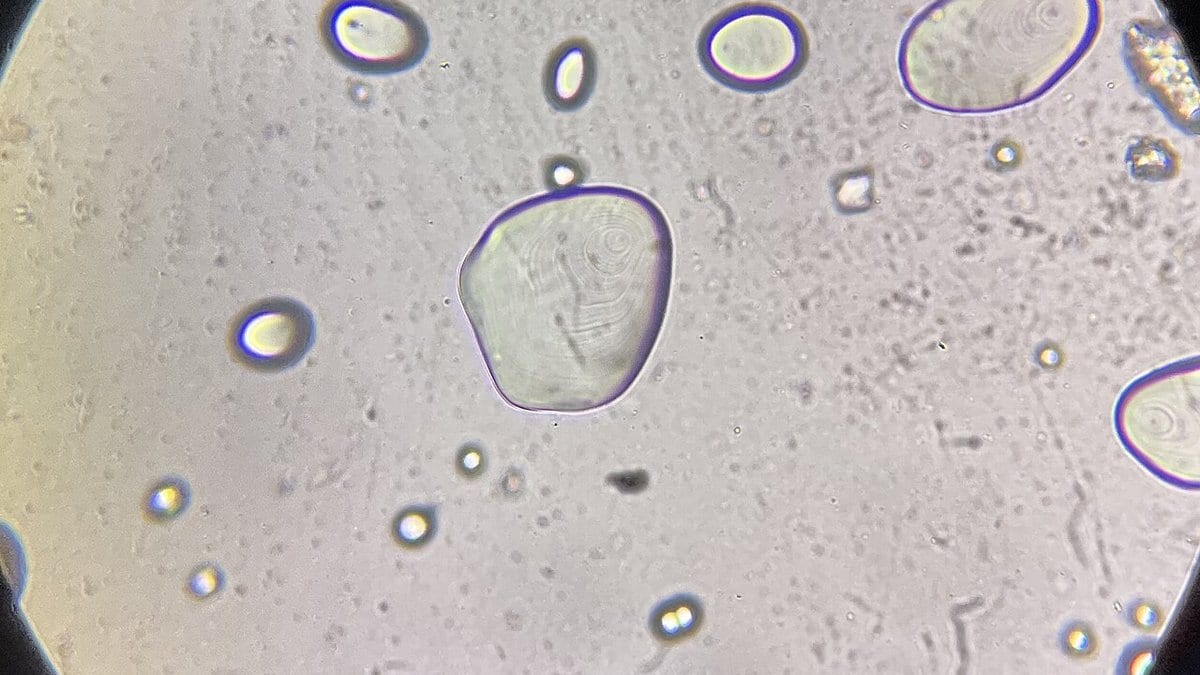
The Food and Drug Administration granted accelerated approval Aug. 19 to Genglycos, a one-time gene therapy for glycogen storage disease type Ia, and said it is the first approved treatment for the condition. The approval rests on a surrogate measure, how much cornstarch patients have to eat, and the FDA says the manufacturer must complete additional clinical trials to confirm that the therapy works.
People with the disease lack a working version of an enzyme that releases stored glucose from the liver, so their blood sugar falls dangerously low when they go too long without eating. The condition is managed with frequent meals and strict, around-the-clock doses of uncooked cornstarch, a slow-digesting starch. Genglycos (generic name pariglasgene brecaparvovec-opnr) delivers a functional copy of the missing gene to the liver in a single dose.
In a randomized, double-blind, placebo-controlled trial that followed patients for 48 weeks after dosing, treated patients reduced their daily cornstarch intake by a mean of 31% from baseline compared with placebo. That was the primary endpoint. On the secondary endpoint, the treated group dropped a mean of one cornstarch dose per day relative to placebo. The approval covers adults and children 8 and older, as an addition to nutritional management rather than a replacement for it.
The same trial recorded a mean 3% increase among treated patients in the share of blood glucose readings in the low range, below 70 mg/dL, compared with placebo, according to the FDA. Treated patients also had a higher rate of high blood triglycerides than the placebo group, 29% versus 8%.
Across two studies, serious adverse reactions included anaphylaxis, adrenal insufficiency, high lactate levels and low blood sugar. The prescribing information carries warnings about anaphylaxis, liver toxicity, adrenal insufficiency and the risk of tumors, and the therapy should not be used during pregnancy.
The FDA granted the approval to Ultragenyx Pharmaceutical, which received a rare pediatric disease priority review voucher with it.
Sources

Medical Disclaimer: This content is provided for general informational and educational purposes only. It is not medical advice and should not be used as a substitute for professional medical advice, diagnosis, or treatment. Always consult a qualified healthcare professional regarding any medical condition, concern, symptom, or treatment decision.