FDA Authorizes a Robot That Draws Blood From an Arm on Its Own
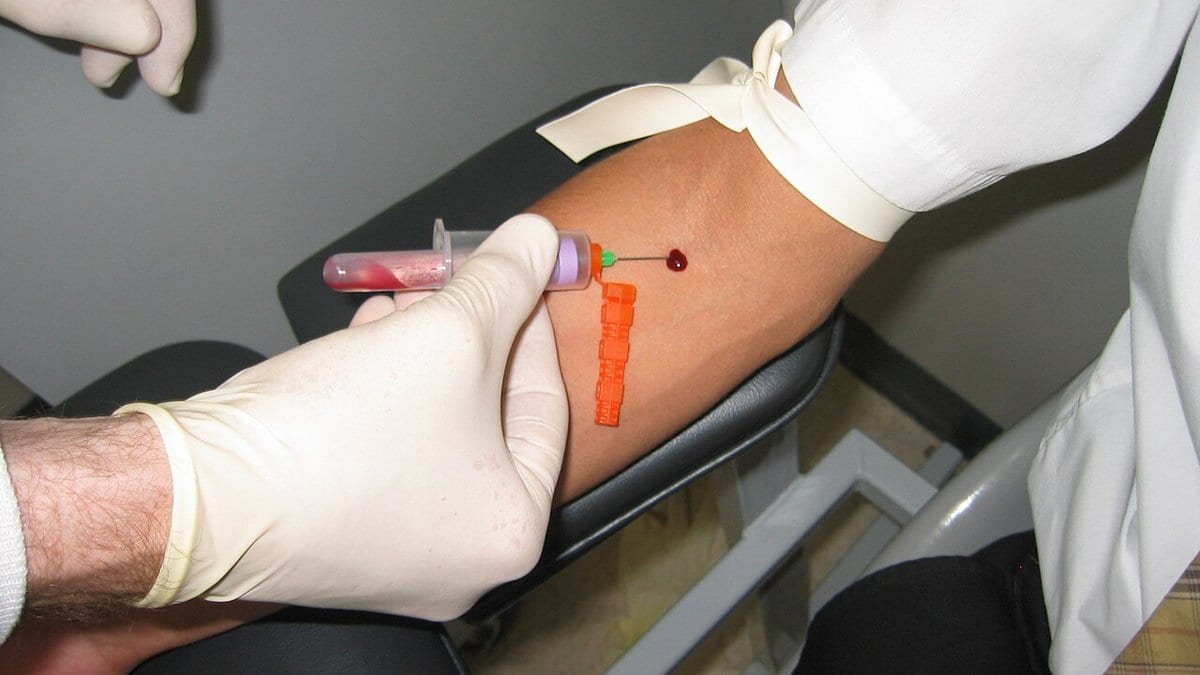
The Food and Drug Administration said Aug. 19 that it has authorized the Aletta, a standalone robot that draws blood from a patient's arm without hands-on intervention by an operator. The device is authorized for adults in outpatient settings and must run under the oversight of a supervisor trained in phlebotomy, the agency said.
The authorization went to Vitestro through the De Novo pathway, which the FDA describes as "a regulatory pathway for low- to moderate-risk devices of a new type." Alongside it the agency is setting special controls, requirements covering labeling, performance testing and clinical testing, which it says give reasonable assurance of safety and effectiveness. The FDA calls the device first of its kind.
One phlebotomist may oversee up to three Aletta devices at a time, and is expected to help address the shortage of trained phlebotomists in the United States.
The device guides the patient to position an arm, then the patient or the supervisor presses a button. The Aletta uses near-infrared light and Doppler ultrasound to locate a vein and tell it apart from an artery, and will not attempt the procedure if it finds no suitable vein. It then applies a tourniquet, prepares the skin, inserts and disposes of the needle, changes collection tubes and places a bandage. The supervisor confirms the tubes were filled in the right order.
The authorization rests on clinical data showing successful draw rates "comparable to or better than trained human phlebotomists when it proceeds with a stick," across patients of varying health status, skin tone and self-reported difficulty of vein access. Device-related adverse events during the trials were reported as "uncommon and mild."
If the patient moves too much, the needle detaches automatically and the draw stops. Other onboard sensors can pause the procedure and alert the supervisor.
Sources

Medical Disclaimer: This content is provided for general informational and educational purposes only. It is not medical advice and should not be used as a substitute for professional medical advice, diagnosis, or treatment. Always consult a qualified healthcare professional regarding any medical condition, concern, symptom, or treatment decision.