A Computer Has Beaten Stratego's Most Decorated Human Player
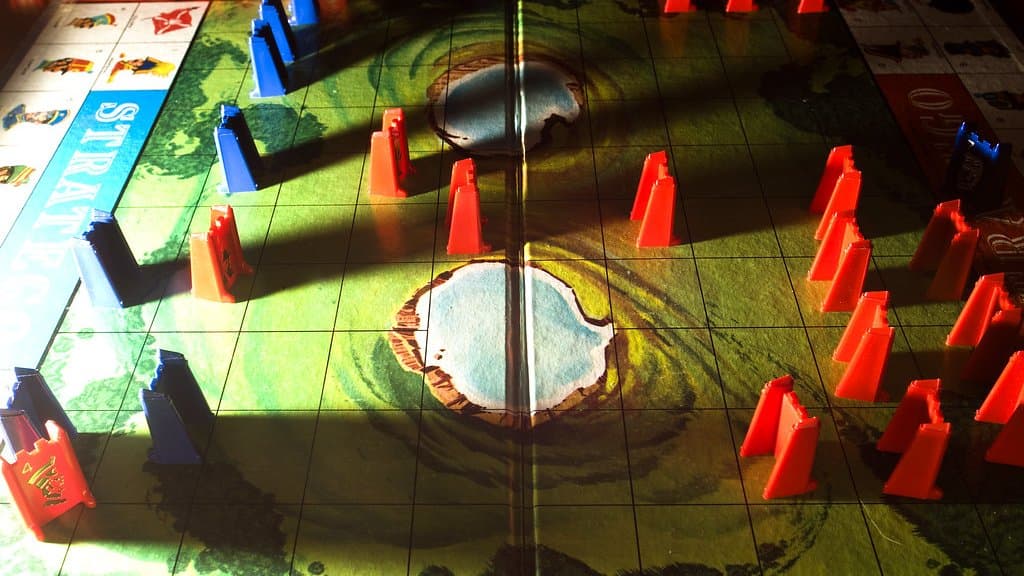
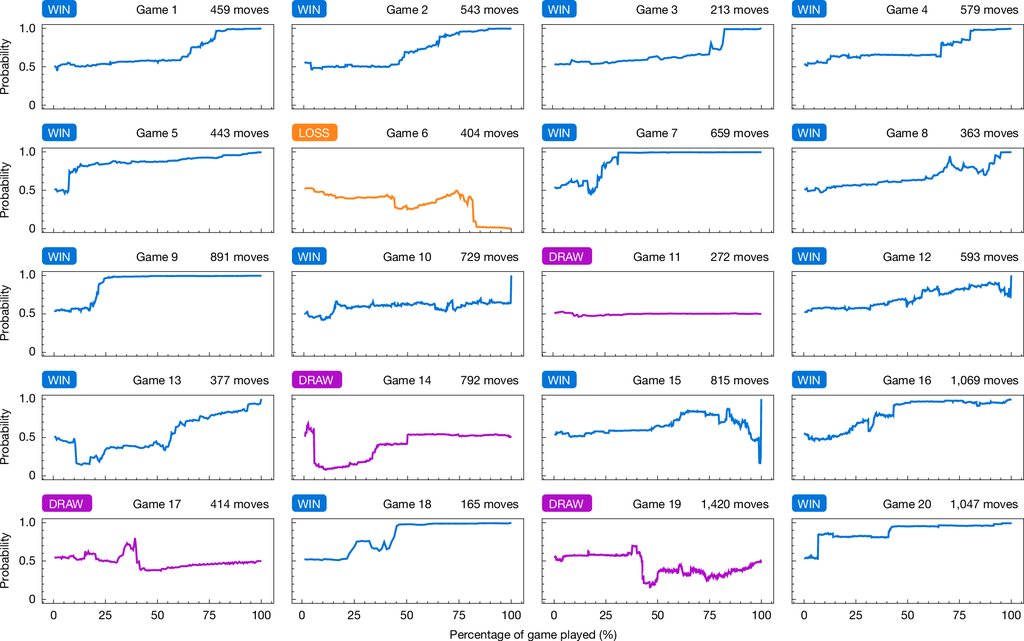
Samuel Sokota of Carnegie Mellon University, Gabriele Farina of MIT and colleagues report that their Stratego program, Ataraxos, won 15 of 20 games against Pim Niemeijer, the most decorated player in the game's history, with one loss and four draws. They call it, to their knowledge, the first time a machine has played the game above the level of the best humans.
The paper, published Sept. 30 in Nature, says the interest is not the board game. Stratego hides each side's pieces from the other, and the authors present Ataraxos as a general recipe for decisions made when one party holds information another does not. They say that puts practical AI within reach for many strategic problems where a fast, accurate simulator can be built.
Stratego had been the holdout. The paper says earlier industrial efforts ran for years and spent millions of dollars on computing without beating top humans, and that Ataraxos cost a few thousand dollars to train, which it credits to a faster game simulator and to learning from fewer games. The program learns by playing against itself, then runs a short search before each move.
The series was played over three weeks. Niemeijer was told in advance that the system would not adapt to his play, and he was paid a fee plus a bonus for each win and draw. The paper does not treat the games as independent trials, since he could adjust between them and Ataraxos could not.
Niemeijer has won four world championships. George Franka, a fellow competitor quoted in the paper, calls him "the best Stratego player ever."
The authors also demonstrated Ataraxos at the Stratego World Championship in August 2025, where attendees played it 40 times and won two of those games. They report the same methods beat champions at Barrage Stratego, a variant played with fewer pieces, reached the best scores so far at Hanabi, a cooperative card game used as an AI benchmark, and beat the leading programs at dou dizhu, a card game widely played in China.
Sources
- NaturePeer-reviewed
- news.mit.edu