MIT Researchers Trained a Climate AI on One Scenario They Designed Themselves
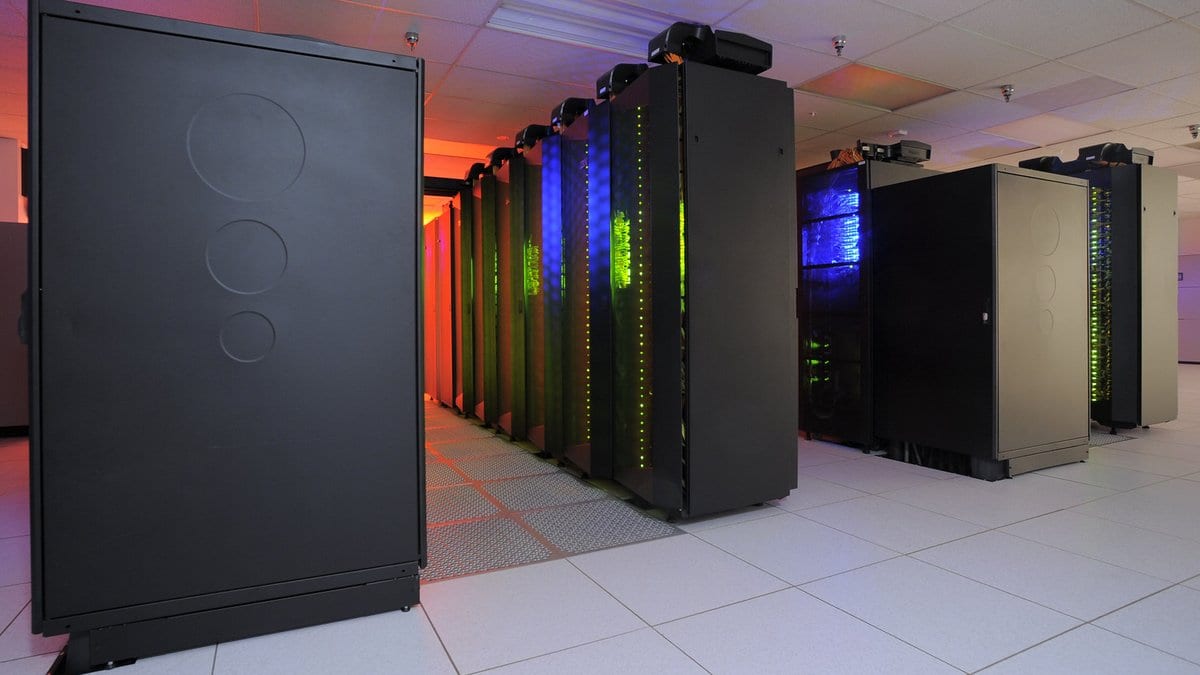
An MIT-led team has built a way to design the training data for climate emulators, the machine-learning stand-ins that substitute for full-scale climate models. Writing in Proceedings of the National Academy of Sciences, the authors report that an emulator trained on one scenario that their method produced outperformed an emulator trained on six standard emissions pathways, and did so on a smaller training set.
The paper says the scenarios commonly used to generate training data are structurally too similar, and that this puts a ceiling on how well an emulator predicts. Most of the effort to lift that ceiling, the authors write, has gone into model architectures that build in physical constraints. This work goes after the data instead.
The method comes from Christopher B. Womack, Noelle E. Selin and colleagues at MIT and Imperial College London. It uses a differentiable simple climate model, a stripped-down model whose output can be traced back to small changes in its inputs. The team calculated how much an emulator's error responds to perturbations in the training data, then updated that data step by step to raise the emulator's skill.
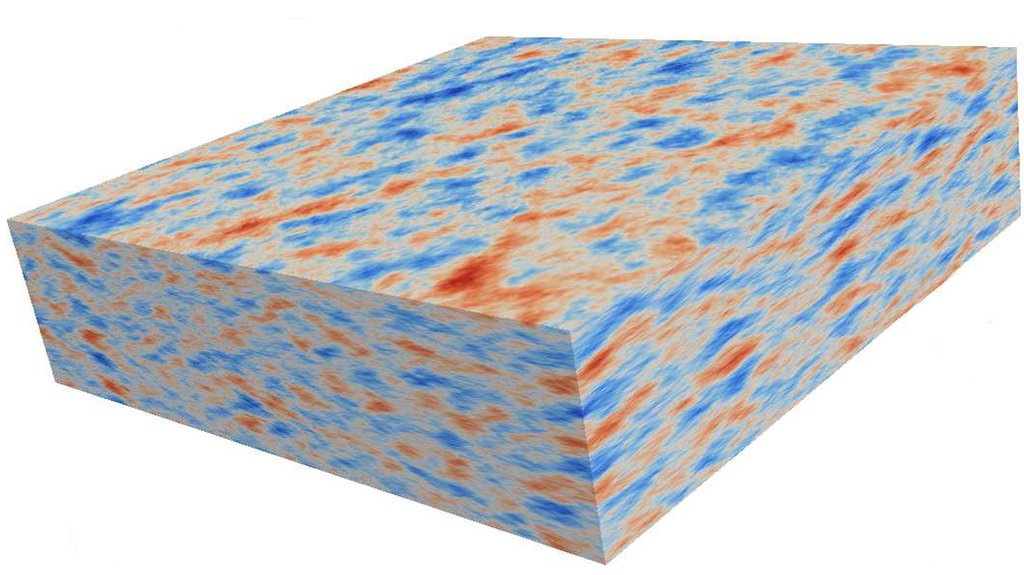
The authors report that against that simple model, the one optimized scenario beat the standard pathways, which come from the Scenario Model Intercomparison Project, the shared set that climate groups commonly train emulators on. They also report that the emulator separated the physical effects of different climate drivers, greenhouse gases and aerosols among them, without the usual runs that vary one driver at a time.
The team then used scenarios optimized with the simple model to drive an intermediate-complexity climate model. The resulting emulator, the authors report, was more skillful than one trained on the standard pathways.
The authors conclude that, because full-scale climate models are expensive to run, it is better to run a few carefully designed, varied scenarios for training emulators than to add more of the traditional emissions pathways.
Sources
- Proceedings of the National Academy of SciencesPeer-reviewed