Webb Finds the Farthest Known Radio Burst in a Surprisingly Tiny Galaxy
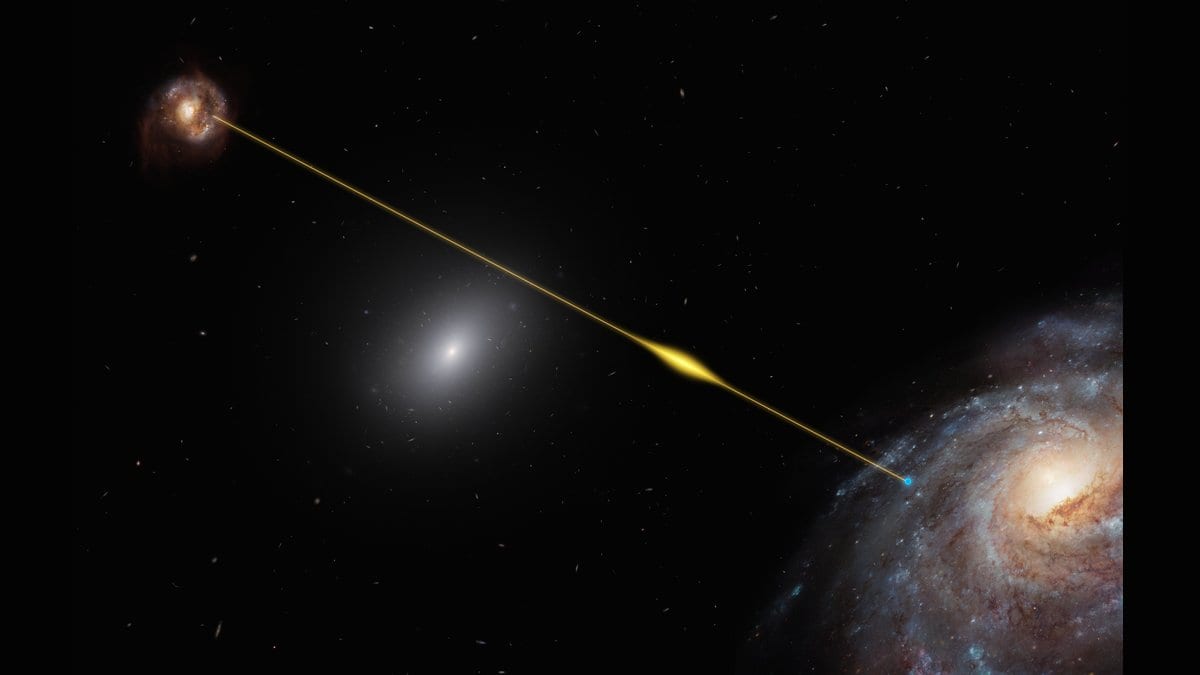
NASA's James Webb Space Telescope has measured the distance to what the agency calls the most distant fast radio burst seen to date, and the galaxy it came from is a small dwarf rather than the massive star-forming galaxy astronomers expected. The agency announced the measurement Oct. 8, 2026.
The result bears on a question open since the first of these millisecond radio flashes was found in 2007: what sets them off. Manisha Caleb of the University of Sydney and colleagues report the host galaxy in the journal Science. Caleb said the team's work suggests this burst is very unlikely to have come from a merger of two neutron stars, one of two leading explanations. NASA's release explains that two neutron stars need billions of years to spiral together, so a merger-born burst would be expected in an older galaxy. A magnetar, a young and highly magnetic neutron star left behind by an exploding star, could set one off much sooner, in a galaxy still making stars.
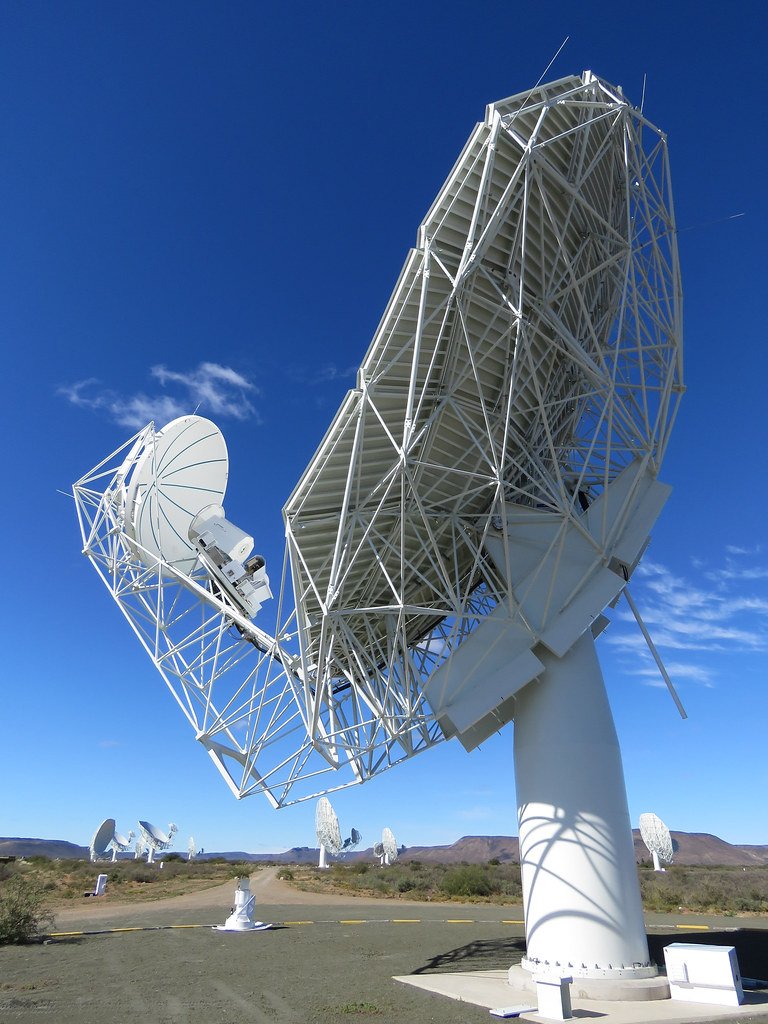
The MeerTRAP team used the MeerKAT radio telescope to detect the burst on March 4, 2024, giving it the name FRB 20240304B. The radio data pointed to a very large distance, but the biggest ground-based telescopes saw nothing at that spot, so the team turned to Webb. Its NIRCam camera found a galaxy in the right place, and its NIRSpec instrument pinned down the galaxy's distance: a redshift of 2.148, or about 3 billion years after the big bang. The host is 1,000 times less massive than the team expected.
Most fast radio bursts recorded so far went off billions of years later in the universe's history, and most of their host galaxies are massive and still forming stars, according to NASA. This one sat at the peak period of star formation in the universe.
The team estimates that MeerKAT may find and pin down several bursts a year from more than halfway back to the start of the universe, with Webb studying their host galaxies.
Sources
- science.nasa.gov
- SciencePeer-reviewed