Small Galaxies That Stopped Making Stars May Have Been Flung out by a Bigger One
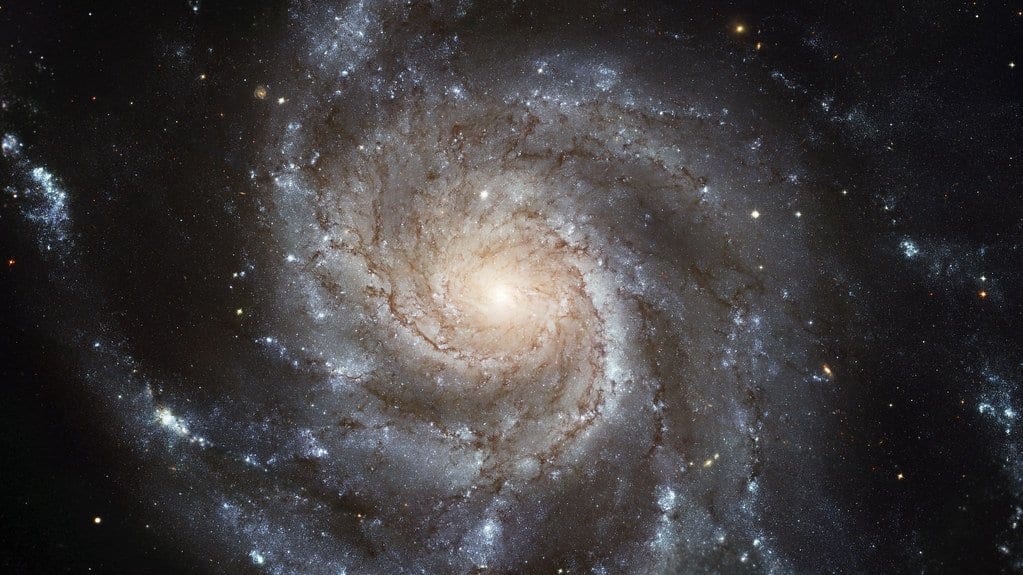
An undergraduate at the University of California, Berkeley has reported finding three faint dwarf galaxies near the spiral M101, known as the Pinwheel Galaxy, that appear to have stopped making stars even though they sit far from any large neighbor. Julian Shapiro is the sole author; the paper was published Oct. 6, 2026, in The Astrophysical Journal.
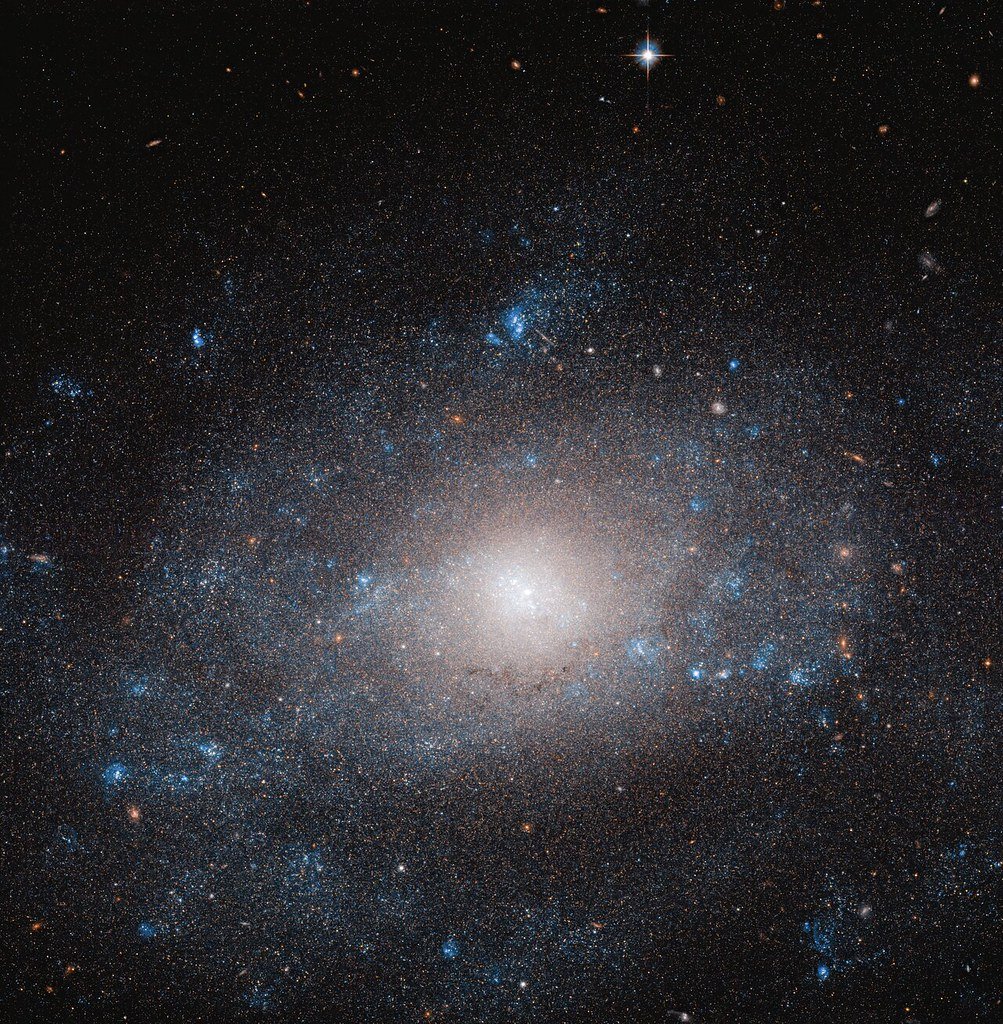
Galaxies this small and this isolated are expected to keep forming stars, because no large neighbor is close enough to strip their gas. Shapiro argues the three are candidates for a population that computer simulations predict and that observers have not pinned down: dwarf galaxies stripped of gas by a bigger galaxy and then ejected from it. The paper states that such backsplash galaxies have not yet been definitively observed in the local universe.
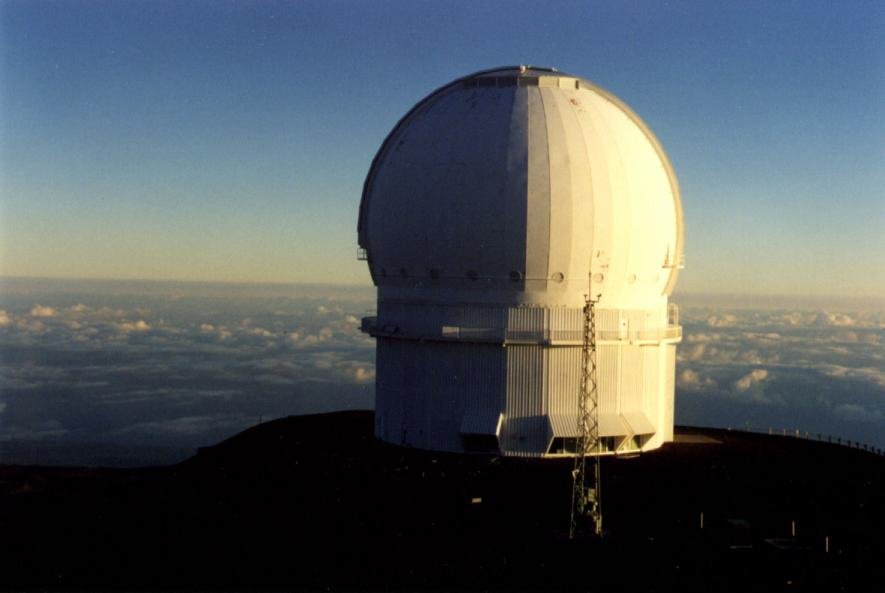
The paper catalogs the three as Shapiro Dwarf Galaxies I, II and III. It puts their absolute magnitudes, a measure of true brightness, at about −7.3 to −8.1. Their half-light radii, the radius holding half a galaxy's light, run about 110–140 parsecs, or a few hundred light-years. The distances, which the paper calls provisional, came from surface-brightness fluctuations in archival Canada-France-Hawaii Telescope Legacy Survey and Hyper Suprime-Cam images. Shapiro reports that none of the three shows up in NASA's Galaxy Evolution Explorer, which limits how much star formation they could have had.
In a UC Berkeley release, Shapiro said: "In isolation, these galaxies are expected to be actively forming stars, as there are no larger galaxies to strip their star-forming gas, but the galaxies I discovered break this rule. My paper argues that they may be among the first resolved 'backsplash' galaxy candidates, or galaxies that once passed close to a large neighbor, whose pressure removed their gas, before being flung outward."
The paper calls Hubble Space Telescope or JWST follow-up necessary for stronger constraints, and notes that one of the three, Shapiro Dwarf Galaxy II, may instead be a faint satellite of the spiral NGC 5585.
Shapiro carried out the work while still in high school, and the paper gives his affiliation as The Dalton School.
Sources
- The Astrophysical JournalPeer-reviewed
- UC Berkeley News