NASA's Perseverance Has Driven Farther Than Any Vehicle on Another World
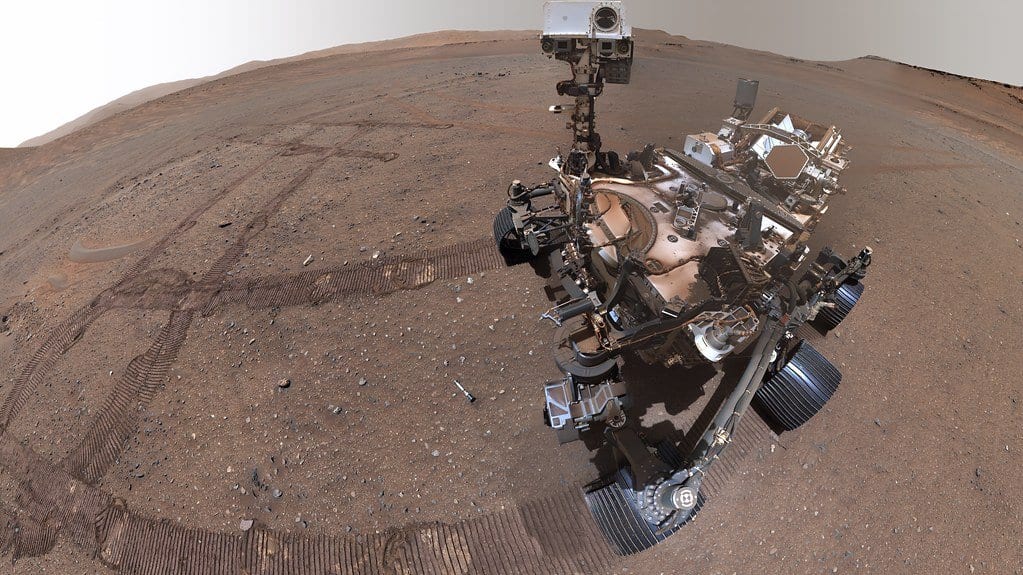
NASA says its Perseverance rover has now driven farther than any vehicle has traveled on the surface of another world. The agency reported that the rover's odometer reached 28.10 miles (45.22 kilometers) on Oct. 11, 2026, passing the 28.06 miles its Opportunity rover drove on Mars before that mission ended in 2018.
NASA's Jet Propulsion Laboratory, which runs the mission, says the longer drives are putting more of the planet's geology within reach faster, letting the team examine more exposed rock and read more of Mars' history from it. Perseverance crossed the mark while driving toward a site the team calls Idubi, on the western rim of Jezero Crater, where it is looking for traces of ancient hydrothermal systems, places where hot water once circulated underground.
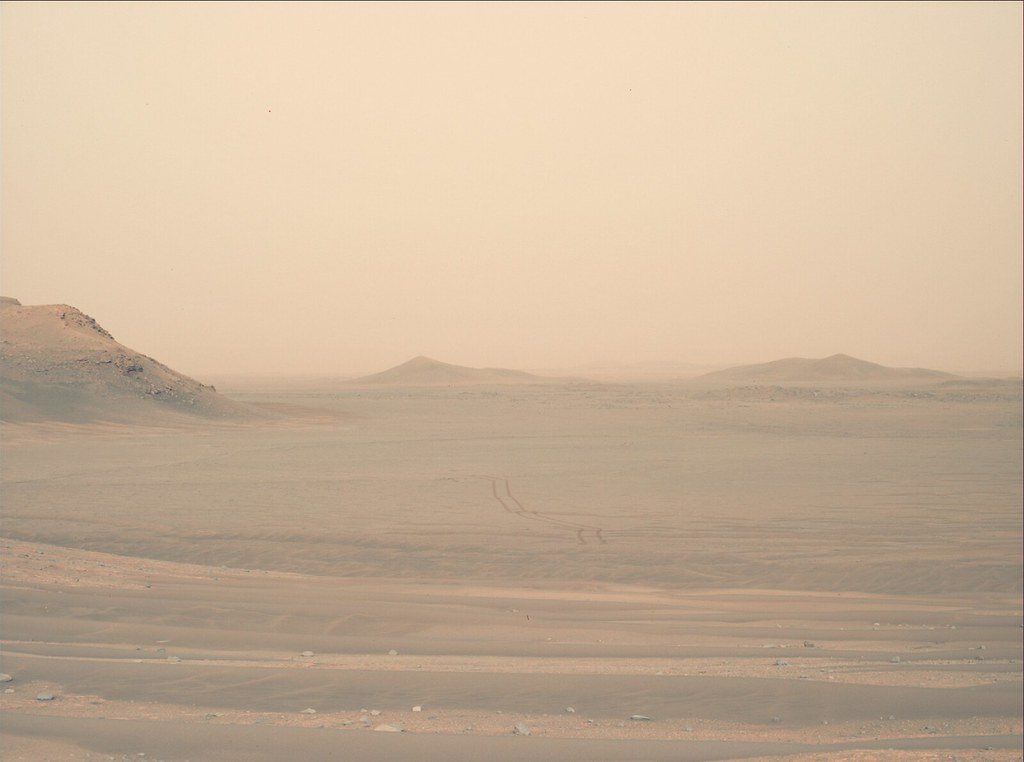
The rover reached the total on the 2,006th Martian day, or sol, of its mission, taking five and a half years to cover a distance that took Opportunity almost 15. The agency credits much of that to self-driving software called AutoNav, which photographs the ground as the rover rolls, builds a map of hazards and plots a course between waypoints chosen by planners on Earth. More than 90% of Perseverance's distance has been driven that way, against about 5% for Opportunity and its twin, Spirit.
Steven Lee, project manager for the Curiosity and Perseverance rovers at the Jet Propulsion Laboratory, said the original mission called for no more than 12.4 miles of driving and that the team expects the rover to keep adding to the record. Perseverance had already passed the lunar driving records set by the Apollo 17 astronauts and by the Soviet Union's Lunokhod 2 rover in the early 1970s.
NASA said it has approved the mission's first extension, which carries the rover's work on the crater rim through roughly the end of 2028. Perseverance has collected 29 samples of rock and loose surface material.