NASA's First Astrophysics Pioneers Satellite Is Now Collecting Science Data
NASA said on Aug. 25 that Pandora, a small satellite launched in January, has finished commissioning and started taking science observations of exoplanets and the stars they orbit.
Pandora reached low Earth orbit on Jan. 11 and is the first satellite flown through NASA's Astrophysics Pioneers program, which the agency describes as funding fast, low-cost missions that need a higher-than-usual tolerance for failure. "The spacecraft is healthy and all of the instruments are performing as well as we could have hoped," said Jordan Karburn, the mission's deputy project manager at Lawrence Livermore National Laboratory, in NASA's release.
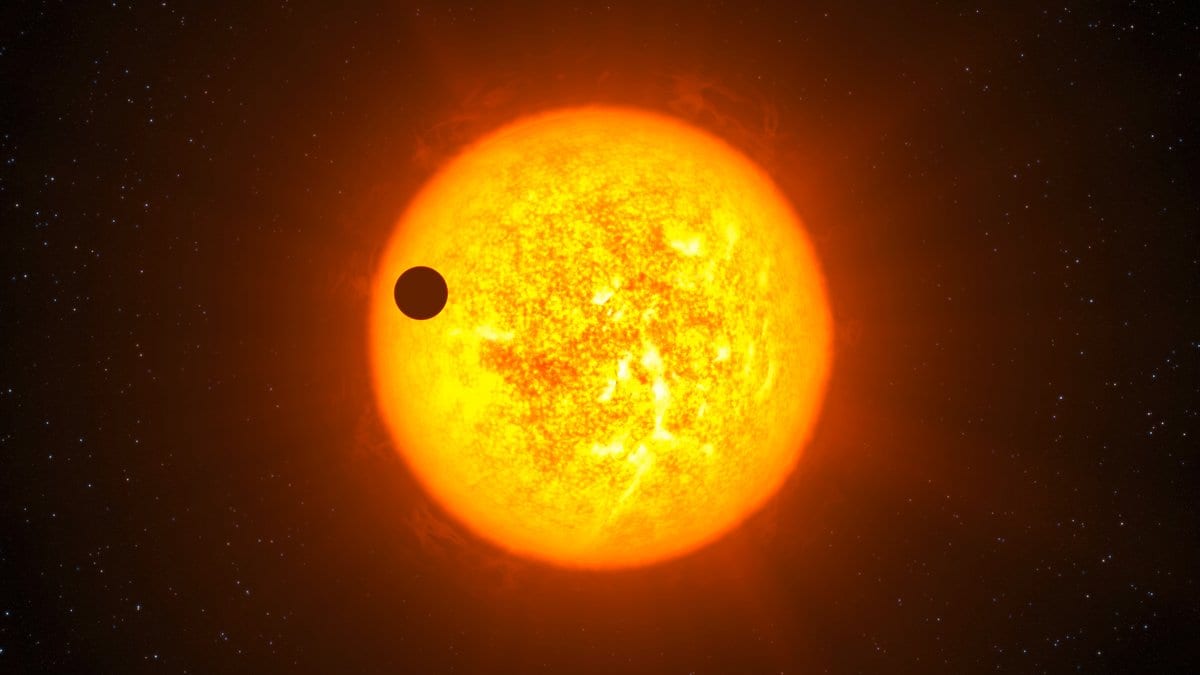
The stated goal is to tell a planet's signal apart from its star's. When a planet passes in front of its star, some starlight skims the planet's atmosphere on the way to us and picks up the chemical fingerprints of the molecules there. Instruments also collect light from the rest of the star, whose surface carries brighter patches called faculae and cooler dark regions similar to sunspots, and those features move and change as the star rotates. NASA says they can distort the water signal astronomers are trying to measure.
The spacecraft carries an all-aluminum telescope about 18 inches, or 45 centimeters, across, and records visible light and a near-infrared spectrum at the same time. Its near-infrared detector is a spare originally built for the James Webb Space Telescope. Over a year-long primary mission NASA plans to observe at least 20 exoplanets 10 times each, holding a 24-hour stare on a target for every observation with one transit inside it, and says the mission will determine those planets' atmospheric make-up, including hazes, clouds and water.
Goddard Space Flight Center leads the mission. Lawrence Livermore provides project management and engineering, Blue Canyon Technologies supplied the spacecraft bus, and the University of Arizona leads mission operations. The science data goes to the NASA Exoplanet Archive.