Same Calories and Nutrients, Different Response From the Body

Researchers at Virginia Tech report that two meals matched to within 1.6% on calories, fat, carbohydrate, protein, fiber and salt still produced different responses in the body, depending on whether the food was ultraprocessed. The study was published on Oct. 5, 2026, in Nature Metabolism.
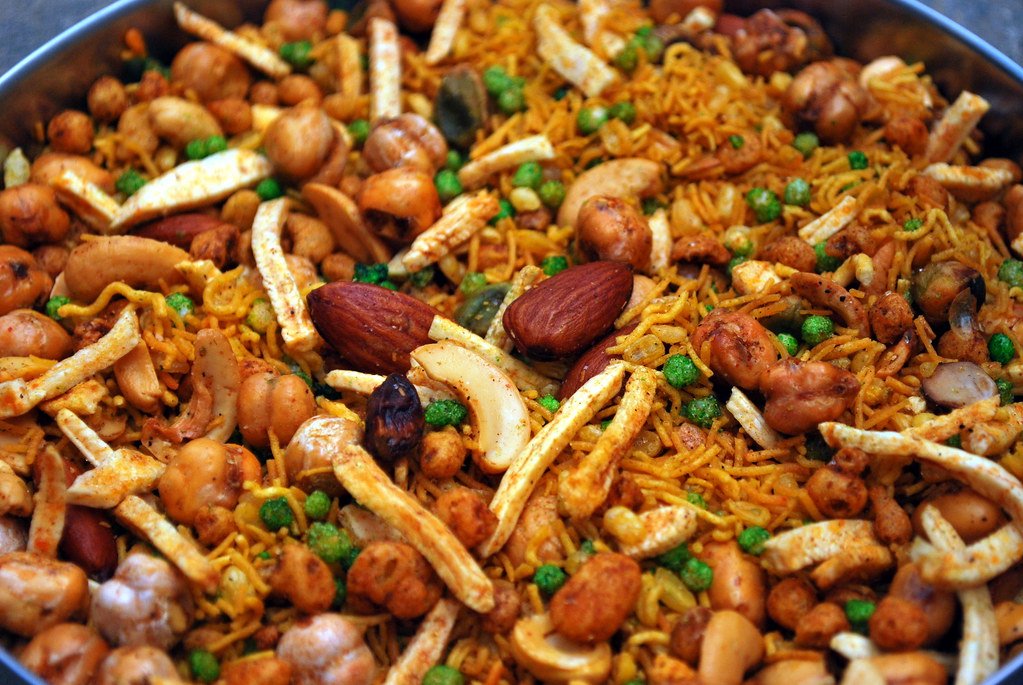
Ultraprocessed foods are industrially made products carrying additives not used in home cooking, and their effects are usually put down to the extra energy, sugar, fat and salt they deliver. Zach Hutelin, Alexandra G. DiFeliceantonio and colleagues at the Fralin Biomedical Research Institute at VTC write that earlier studies of processing rarely held nutrition constant, so this one asks whether the processing itself changes anything.
In the randomized crossover trial, 32 of the 57 adults enrolled ate both meals, each about 300 calories, on separate days and in random order. Each session ran inside a sealed room that measures exhaled gases, with repeated blood draws. Insulin rose higher and stayed up longer after the ultraprocessed meal, although total blood sugar over the session was the same. Energy expenditure was higher as well, and less of the fuel burned was carbohydrate.
In a separate session, 52 participants bid money for pictures of the same foods while their brains were scanned. Bids did not differ between the two meals. But how much carbohydrate a person burned after each meal was associated with the response of the striatum, a reward-related brain region, to those pictures. The link is an association measured across participants, not a demonstrated cause.
The authors say the study was not designed to assess long-term outcomes: it measures the hours after a single meal, not whether a diet of such foods causes disease. The ultraprocessed meal also carried more additives, and although the two meals held the same total protein, the protein came from different foods, which can itself affect insulin levels. Everyone recruited was a healthy-weight adult aged 18 to 45, and larger meals were not tested.
Sources

Medical Disclaimer: This content is provided for general informational and educational purposes only. It is not medical advice and should not be used as a substitute for professional medical advice, diagnosis, or treatment. Always consult a qualified healthcare professional regarding any medical condition, concern, symptom, or treatment decision.