Sand Hoppers on California Beaches Move as Much Sand as the Region's Rivers
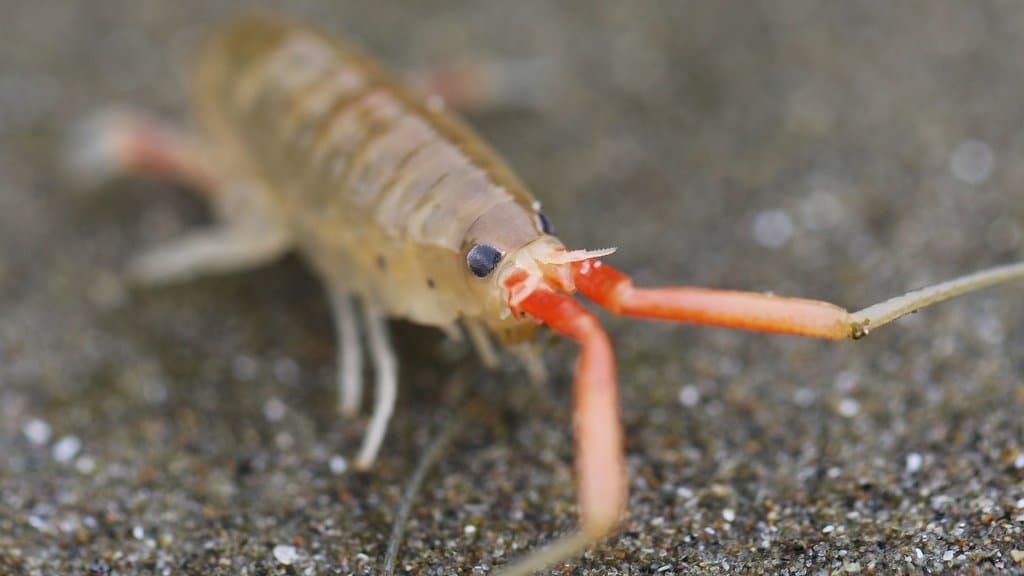
Sand hoppers on a southern California beach dig up to 10.38 kilograms of dry sand per square meter per day, according to field measurements published Sept. 16 in the journal JGR: Earth Surface.
The paper argues that accounts of how sandy shorelines move sediment and change shape should include the animals living in them.
The animals are Megalorchestia species, burrowing crustaceans known as sand hoppers, and densities above 1,000 individuals per square meter are regularly recorded on California beaches.
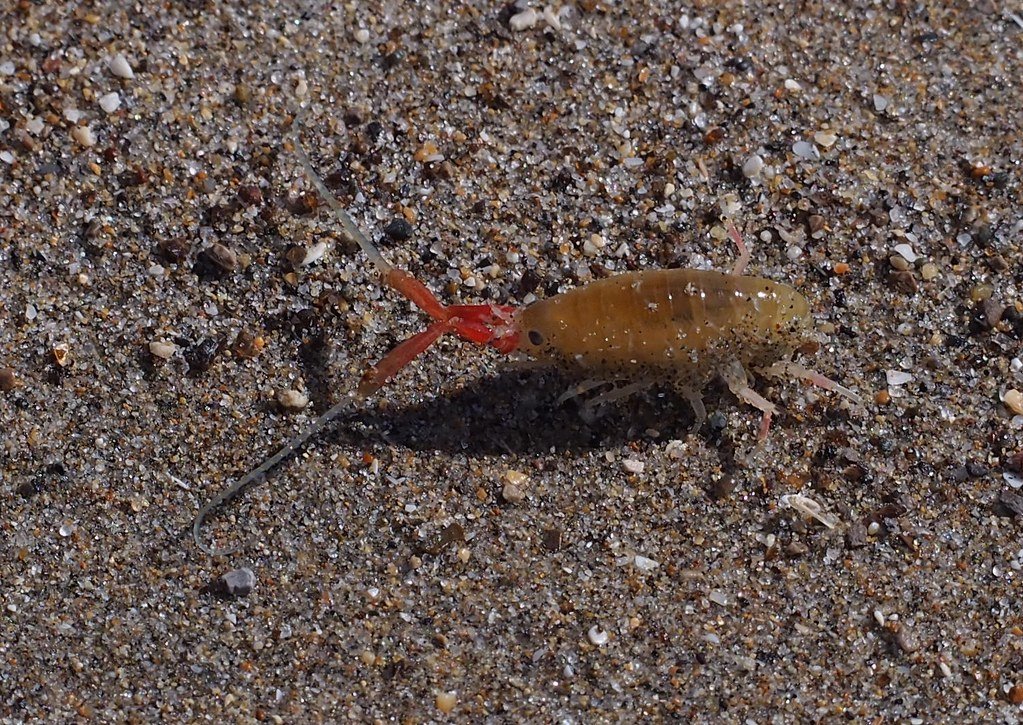
Scaled up across 25 kilometers of sandy coast, the daily quantity of sand the animals move is comparable to the suspended sediment carried by major rivers in the region. Combining the excavation measurements with an eight-year record of sand hopper biomass at the same site, the authors estimate the animals shift about 2.79 million kilograms of sand per hectare per year.
The authors call the daily rate one of the highest ever recorded per unit area for a biogeomorphic agent, an organism that shapes landforms, and the annual rate the highest calculated for a land or coastal animal where long-term population trends have been taken into account.
The work was led by T. I. Baxter of the Pitt Rivers Museum at the University of Oxford and the Marine Science Institute at the University of California, Santa Barbara, with I. J. Walker of UC Santa Barbara as senior author. The California Ocean Protection Council funded the study, and the biomass data set is deposited in the University of Oxford's research archive.