A Gene-Editing Fix Makes Precise DNA Changes Stick in Tomato and Soybean
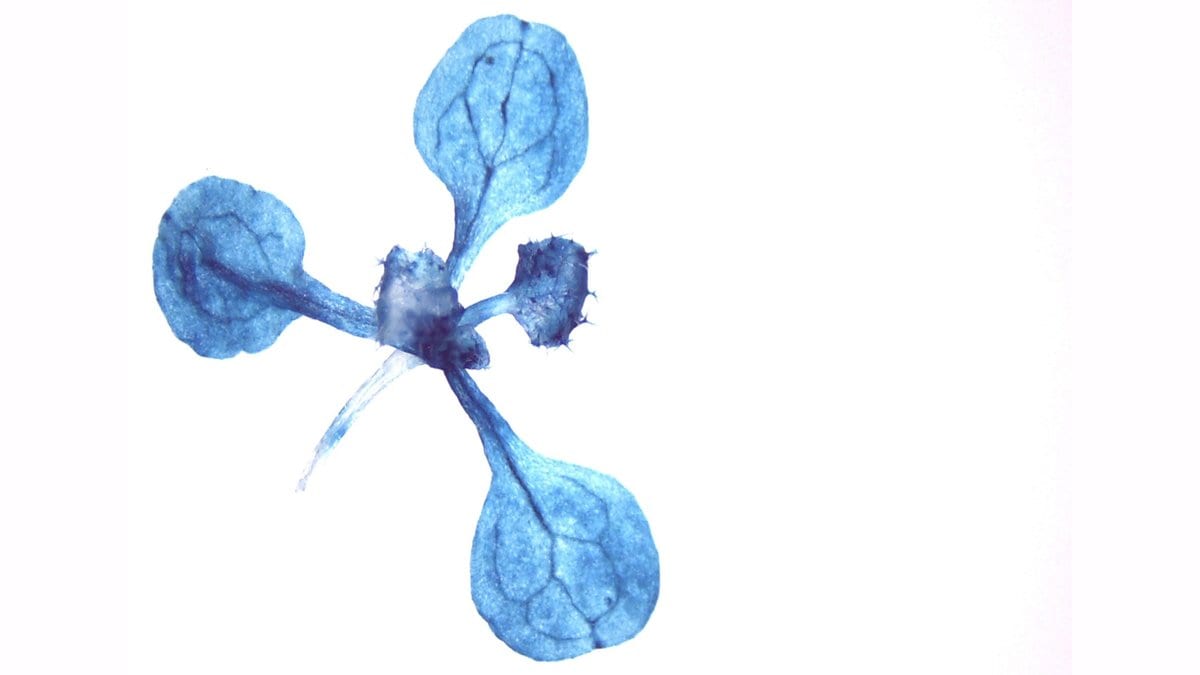
A research group at the Chinese Academy of Sciences reports a gene-editing system that makes precise DNA changes several times more often in tomato, soybean and oilseed rape than the standard method does.
The system, called SmartPE, is described in a Letter published Oct. 28, 2026, in Nature Plants by Yijing Liu, Caixia Gao and colleagues at the Institute of Genetics and Developmental Biology in Beijing. Prime editing rewrites short stretches of DNA without cutting both strands, and the authors write that in broad-leaved plants it has been held back by low efficiency and by results that change from one target site to the next, limiting its use.
SmartPE uses two guide RNAs, the short strands that steer the editor to its target, where standard prime editing uses one. It builds deliberate mismatches into the template each guide carries, adds sequences that increase how much editor a plant cell makes, and uses modified versions of the enzyme that copies the new sequence into DNA.
Stripped of their walls, crop cells showed editing rates 8.2 to 38.2 times those of standard prime editing in tomato, and more than 10-fold higher at most of the target sites tested in soybean and oilseed rape, the authors report.
SmartPE edited both copies of a gene called SlOR2 in 7.3% of laboratory-grown tomato root lines. Standard prime editing produced no two-copy edits there at all, reaching 1.0% for single-copy edits, along with several roots whose cells were not all edited the same way.
In whole plants raised from edited cells, the system inserted a short protein tag into Arabidopsis, a laboratory plant, and short added sequences into tomato, at efficiencies of up to 32.3%. That is a ceiling for those experiments, not a typical rate.
Some of the authors are at Qi Biodesign, a Beijing company, and the paper states that Gao and Liu have filed patent applications based on the results. The sequencing data behind the paper are deposited in the NCBI BioProject database under accession number PRJNA1337775.
Sources
- Nature PlantsPeer-reviewed