Fewer Brain Tumors Came Back When Radiation Followed Surgery
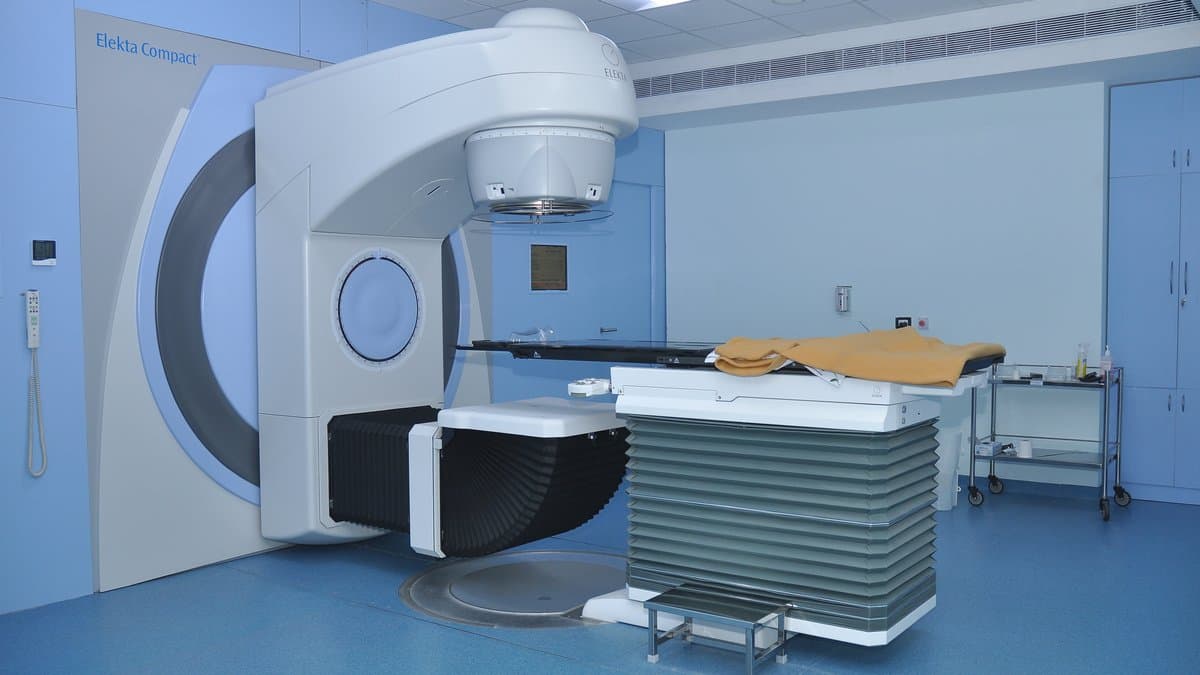
Adding radiotherapy after the complete surgical removal of an atypical meningioma, a tumor of the brain's lining, cut how often the tumor came back, an international phase 3 trial reported on September 25 in The Lancet.
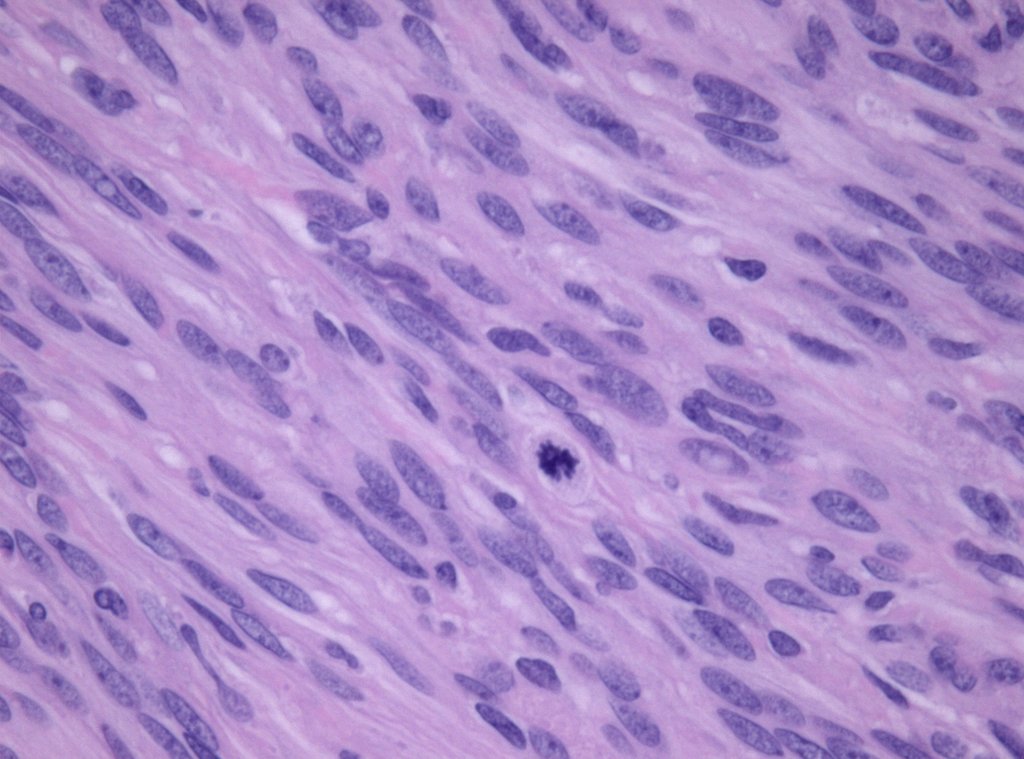
Atypical meningioma returns in a substantial share of patients even after a surgeon takes all of it out, and whether radiation should follow has been unsettled. Michael D. Jenkinson of the University of Liverpool and colleagues report that their results suggest radiotherapy should be considered when preventing a recurrence is valued more highly than the possible delayed side effects of radiation, and that the choice should be discussed with each patient individually.
The trial, ROAM/EORTC-1308, randomly assigned 157 patients aged 16 or older to six weeks of external-beam radiotherapy or to monitoring alone, at 58 hospitals and academic centers in 11 countries. Their median age was 57, and 54% were women. Recruitment ran from 2016 to 2021, and everyone was followed for at least four years.
The trial reported that, after a median of 64 months, the meningioma had come back in 14% of the patients given radiotherapy and in 30% of those monitored. Survival free of disease, the study's main measure, was longer in the radiotherapy group.
The trial also recorded serious side effects linked to radiation in 8% of the patients treated, and no deaths caused by treatment.
Sources
- The LancetPeer-reviewed

Medical Disclaimer: This content is provided for general informational and educational purposes only. It is not medical advice and should not be used as a substitute for professional medical advice, diagnosis, or treatment. Always consult a qualified healthcare professional regarding any medical condition, concern, symptom, or treatment decision.