A Bacteria-Killing Peptide Is Encoded in Our Mitochondrial DNA
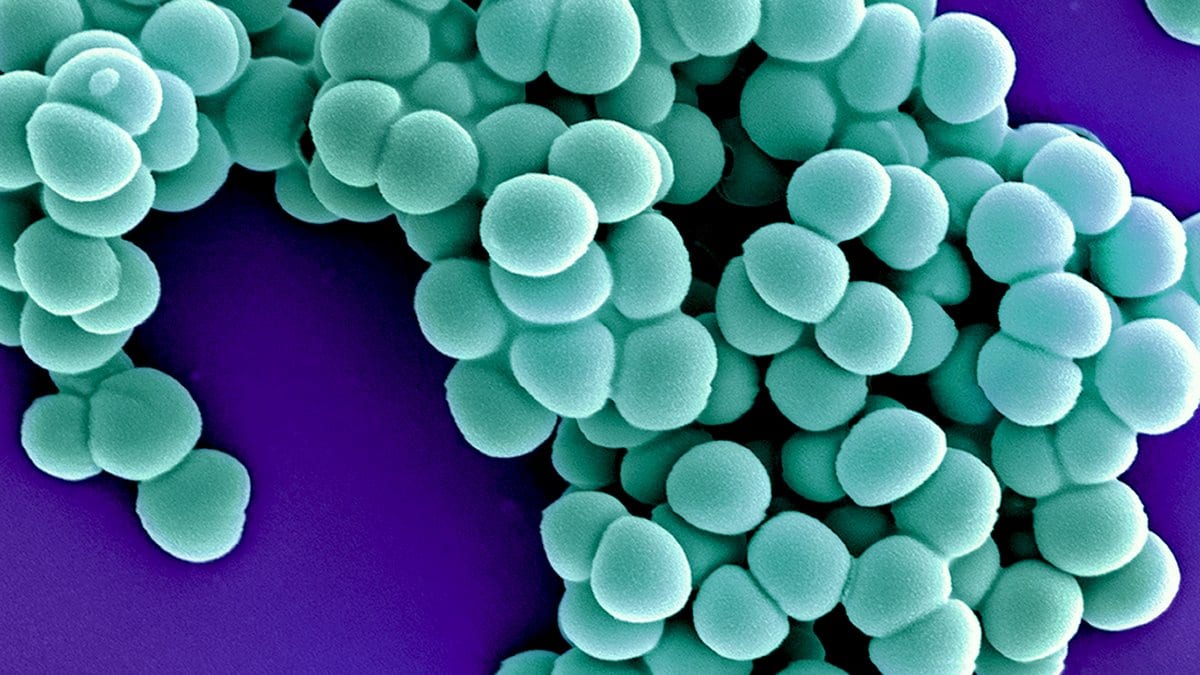
A peptide encoded in human mitochondrial DNA kills bacteria directly and changes how immune cells mature, a University of Southern California team reports in a paper whose peer-reviewed Version of Record was published Aug. 18 in eLife.
The peptide is MOTS-c, short for "mitochondrial open reading frame from the 12S rRNA type-c." Mitochondria, the compartments that supply cells with energy, carry a small genome of their own, inherited from the bacteria they descend from. The abstract opens on the gap the paper claims to fill: mitochondrial DNA "can trigger immune responses and directly entrap pathogens, but it is not known to encode active immune factors."
MOTS-c targeted Escherichia coli and methicillin-resistant Staphylococcus aureus, the drug-resistant staph known as MRSA, "in part, by targeting their membranes using its hydrophobic and cationic domains," the abstract says. In a mouse model of acute peritonitis, an infection of the abdominal lining, the authors report that MOTS-c "fully neutralized MRSA infectivity."
The second half of the paper concerns immune cells. In human monocytes, a type of white blood cell, interferon gamma, bacterial LPS and differentiation signals each induced the cells' own MOTS-c, the authors write. Adding MOTS-c while mouse monocytes were maturing "reprogrammed the cells into macrophages" — the immune cells that engulf bacteria — with gene-activity signatures tied to antigen presentation and interferon signaling, and those macrophages cleared bacteria faster.
The claim to a first is the authors' own. They write that the findings "support MOTS-c as a first-in-class mitochondrial-encoded HDP," or host defense peptide, and indicate that "our immune system is not only encoded by the nuclear genome but also by the co-evolved mitochondrial genome."
eLife's published assessment calls the study "valuable" with "solid" evidence for the peptide's bactericidal activity and its effect on monocyte differentiation. That assessment also notes that most of the data came from a cell line, THP1, and that "future work is required to validate observations in primary cells."
The paper first appeared as an eLife Reviewed Preprint on July 26, 2023, with a second version on Jan. 8, 2025.