Three Diets Produced the Same Weight Loss. The Liver Responded Differently
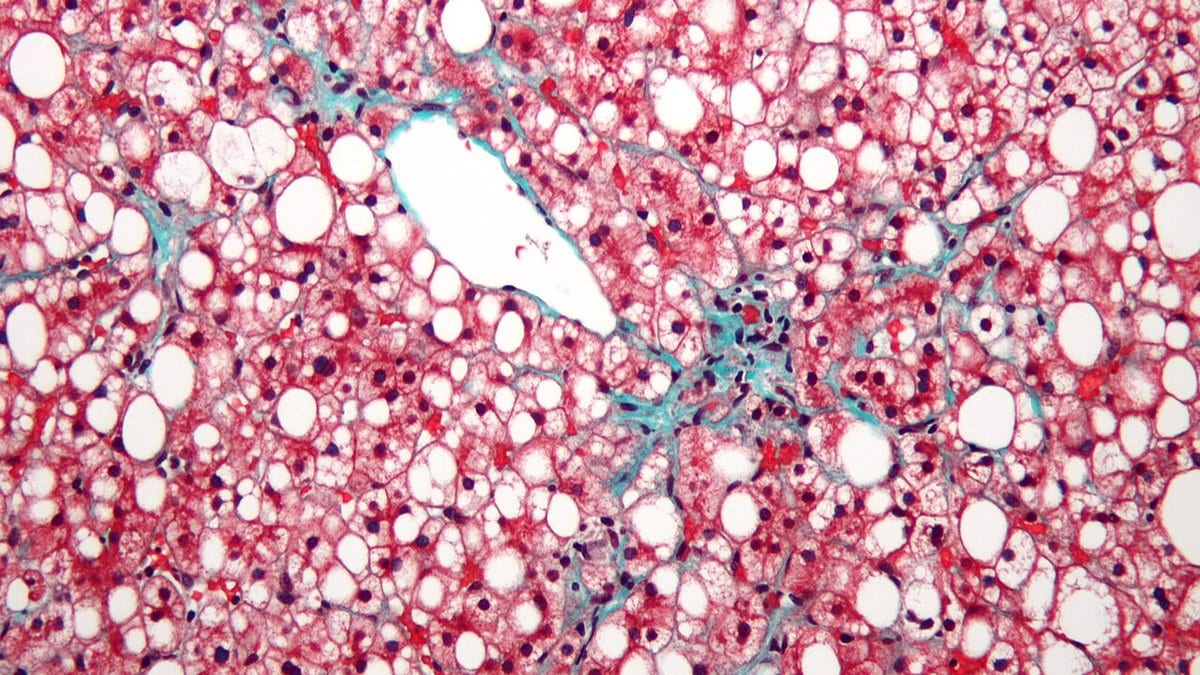
A very-low-carbohydrate ketogenic diet raised liver insulin sensitivity two to three times more than a Mediterranean or a very-low-fat diet in people who lost the same amount of weight on all three, according to a randomized clinical trial published Aug. 27 in Cell Metabolism.
The trial, run by researchers at the Center for Human Nutrition at Washington University School of Medicine in St. Louis with collaborators at the University of California, Berkeley, tested three diets of markedly different composition: very-low-carbohydrate ketogenic, Mediterranean and very-low-fat plant-forward, in people with prediabetes and hepatic steatosis, a buildup of fat in the liver. Each group was taken to about 10% weight loss, the paper states, so the diets could be compared at the same amount of weight loss.
Weight loss increased muscle insulin sensitivity by about 50% in all three groups, the authors report. The liver did not behave the same way: the increase in hepatic insulin sensitivity was two to three times greater in the very-low-carbohydrate group than in the other two, at p < 0.001.
Fat measures inside the liver followed the same split. Intrahepatic triglyceride content, the fat stored in liver cells, and hepatic de novo lipogenesis, the liver's own manufacture of new fat, both decreased most in the very-low-carbohydrate group, per the paper. So did glycated hemoglobin, a marker of average blood sugar, and 24-hour plasma glucose and insulin.
Three blood-lipid measures did not separate the diets. The authors report no differences among the groups in LDL cholesterol, apolipoprotein B or 24-hour plasma triglyceride concentrations.
The authors conclude that a very-low-carbohydrate diet has "greater cardiometabolic benefits, particularly in hepatic metabolic function," than matched 10% weight loss on a Mediterranean or very-low-fat diet in people with metabolically unhealthy obesity.
Samuel Klein, the senior author, discloses scientific advisory board fees from AbbVie, 89Bio and Boehringer Ingelheim, an investigator-initiated grant from Merck, and support for an industry-initiated multicenter clinical trial from Viking Therapeutics.
Sources
- Cell MetabolismPeer-reviewed

Medical Disclaimer: This content is provided for general informational and educational purposes only. It is not medical advice and should not be used as a substitute for professional medical advice, diagnosis, or treatment. Always consult a qualified healthcare professional regarding any medical condition, concern, symptom, or treatment decision.