Mouth and Airway Bacteria Differ in Severe Long COVID, UK Study Finds
A UK research team reports that in 771 adults hospitalized with COVID-19, the bacteria living in the mouth and the airways six months after discharge differed according to how severe the patients' long COVID was and which symptoms they still had. The work appears in the European Respiratory Journal.
Acute COVID-19 changes the bacteria of the airways, and the paper, published Oct. 11, 2026, states that whether those changes last afterward and contribute to long COVID is unknown. Daniela Alferes de Lima Headley, James D. Chalmers and colleagues set out to describe the bacteria by long COVID severity and subtype, and to look for links with inflammation.
Participants were recruited to PHOSP-COVID, a UK study that has followed people discharged from the hospital after COVID-19. The team grouped them by the "severity clusters" of ongoing health problems described in earlier work, and by their symptoms, then used a single bacterial gene to identify the bacteria in mouth rinses and in sputum, the mucus coughed up from the airways. The "very severe" cluster, in which the problems were mainly in the lungs, was associated with a distinct bacterial profile. Reduced lung function and lasting neurocognitive symptoms, those affecting memory and thinking, were each associated with a distinct profile in the mouth, and gut symptoms with a distinct profile in sputum.
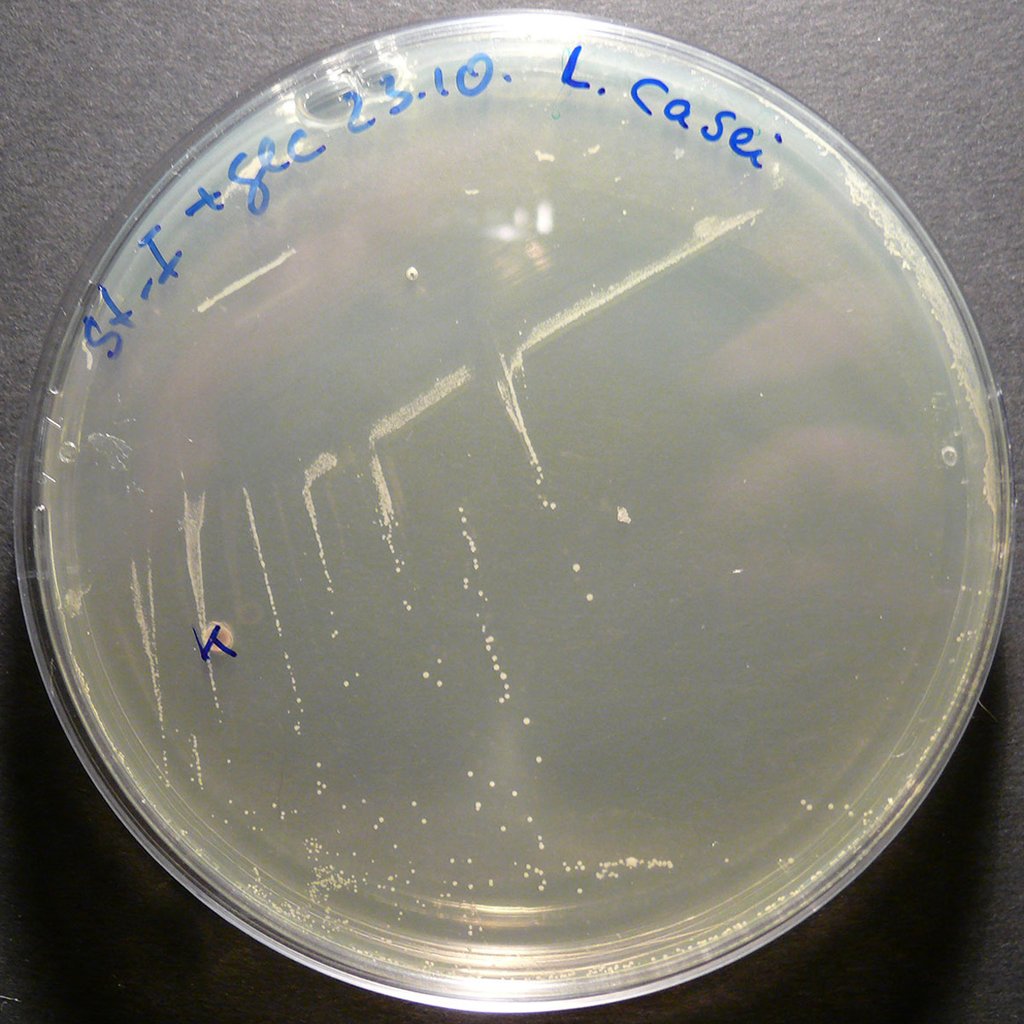
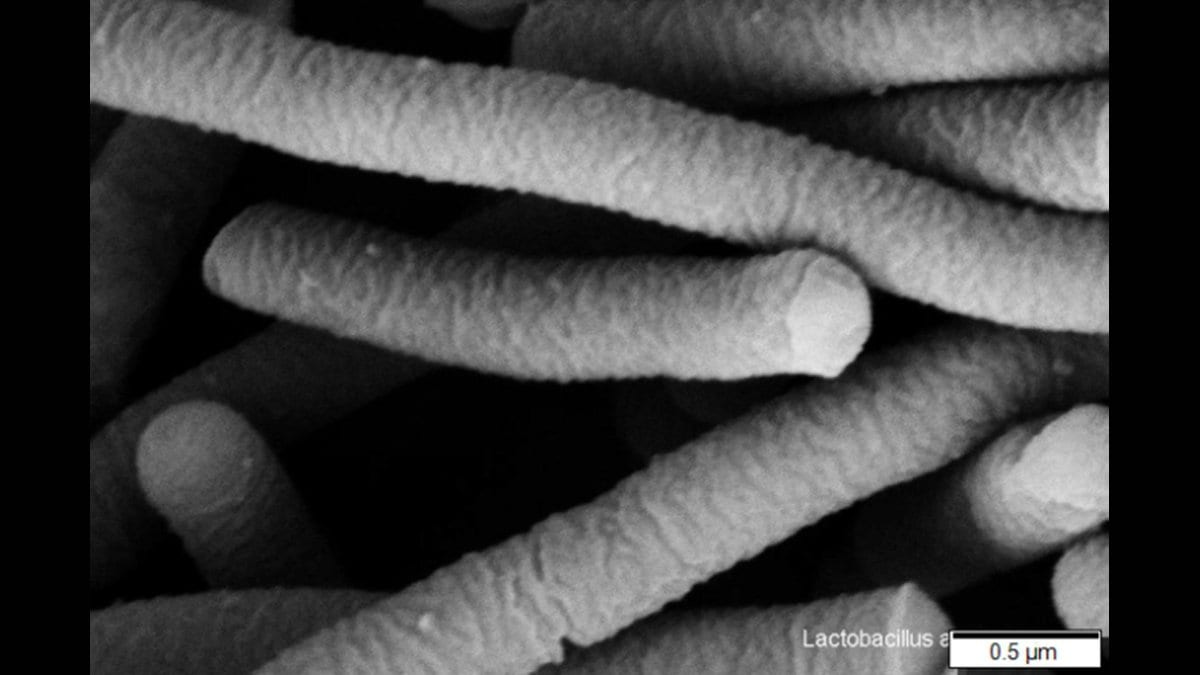
A network analysis of which bacteria turned up together picked out the keystone species, the ones most connected to the rest. The authors report that these shifted toward a higher prevalence of lactic acid bacteria, which was associated with worse health outcomes, and that a greater abundance of those bacteria went with raised inflammatory proteins in the blood. Those are associations within a single group of patients, not evidence that the bacteria cause the symptoms. The authors write that the shift suggests a possible change in the role lactic acid bacteria play, which may be linked to the body's immune response.
The study was funded by UK Research and Innovation and the National Institute for Health Research.
Sources
- European Respiratory JournalPeer-reviewed

Medical Disclaimer: This content is provided for general informational and educational purposes only. It is not medical advice and should not be used as a substitute for professional medical advice, diagnosis, or treatment. Always consult a qualified healthcare professional regarding any medical condition, concern, symptom, or treatment decision.