A Million Handwritten Weather Readings Rescued From Congo Paper Archives
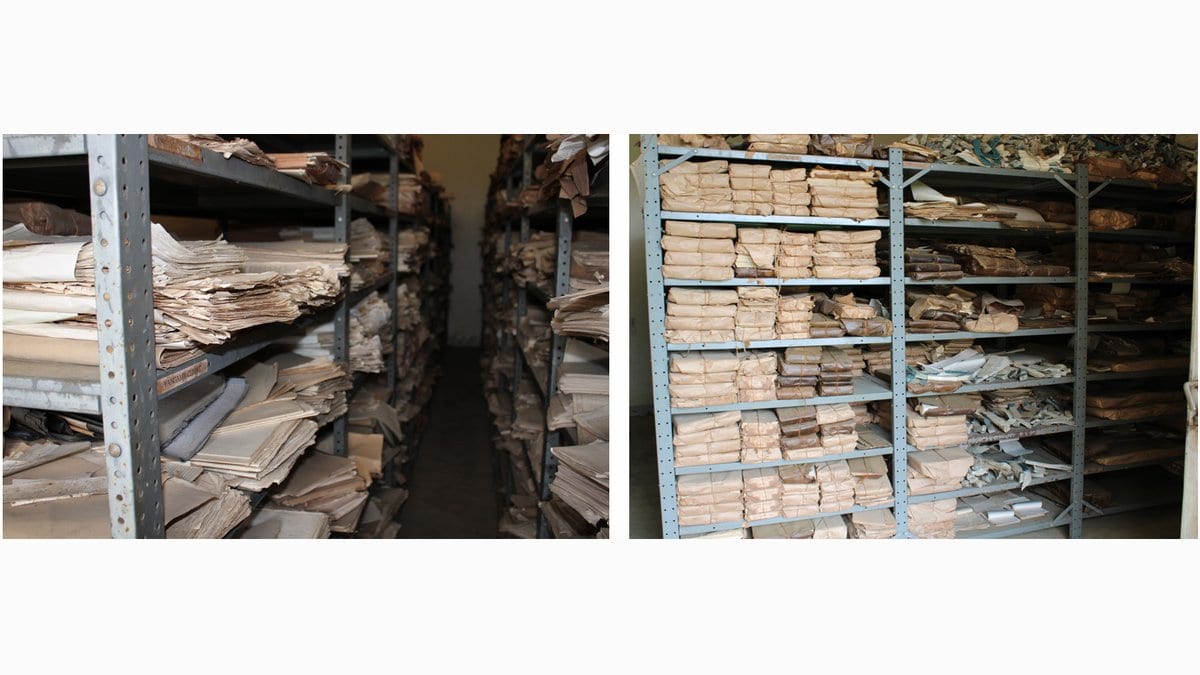
Researchers at Vrije Universiteit Brussel and the Democratic Republic of the Congo's national agronomic research institute have published more than 1 million temperature and rainfall readings from 37 Congolese weather stations. The readings were copied from handwritten paper sheets that had never been available to the research community.
The work appeared Oct. 12, 2026, in Earth System Dynamics. Derrick Muheki, Wim Thiery and colleagues say the Congo Basin is one of the few regions where the Intergovernmental Panel on Climate Change has neither assessed changes in hot extremes and heavy rainfall nor traced them to human influence, because measurements on the ground are so sparse.
Most of the basin's daily weather records still sit on paper. The team made field trips to local archives and photographed 9,885 sheets of handwritten observations. The team's own transcription software, called MeteoSaver, then turned the images into daily series of maximum, minimum and average temperature and rainfall.
The paper reports a warming shift in daily temperatures with each successive decade. Across the stations with enough data, daily maximum temperature warmed by about 0.7 °C over the 1961–1990 period. In that window, which all the stations share, the average number of days hotter than 33.3 °C rose from about three a year in the first decade to about five in the last. Cold extremes grew rarer over the same stretch. The shared window stops there, so the figures do not describe the basin's recent decades.
Rainfall was harder to judge. Only three stations held enough daily records to analyze, and the paper says the limited coverage prevents broader conclusions for the country. The transcribed readings and the scanned sheets are both held in the open repository Zenodo, and the dataset is being made available through the Copernicus Climate Change Service data store. The paper is open access.