Drowned Forests off Mozambique Are Working as Reefs Again
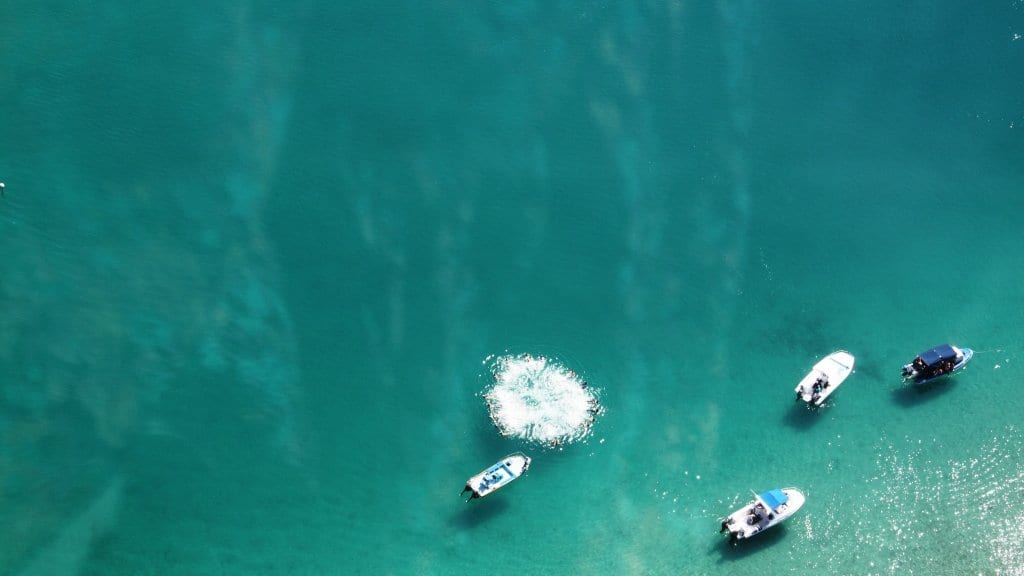
Shallow-water surveys off the Bazaruto Archipelago in Mozambique have found reefs made of peat. The peat is what is left of coastal swamps and forests that rising seas drowned, and it now carries seagrass, seaweed and reef fish rather than coral.
The authors say deposits like these belong in coastal habitat maps and conservation plans. They report that in a tropical seascape of shifting sand, the hard peat offers something scarce: a firm surface that marine animals can attach to, shelter in and use as a nursery.
Mario Lebrato of the Bazaruto Center for Scientific Studies and colleagues published the surveys Oct. 12, 2026, in Scientific Reports. Radiocarbon dating put the peat at roughly 300 to 5,000 years before present. That is the age of the drowned forest, not of the reef, which is working as marine habitat now. The sampled peat held up to 40% organic carbon by dry weight. Living hard and soft coral was absent from the peat sites, where seaweed, seagrass and bare peat covered the seabed.
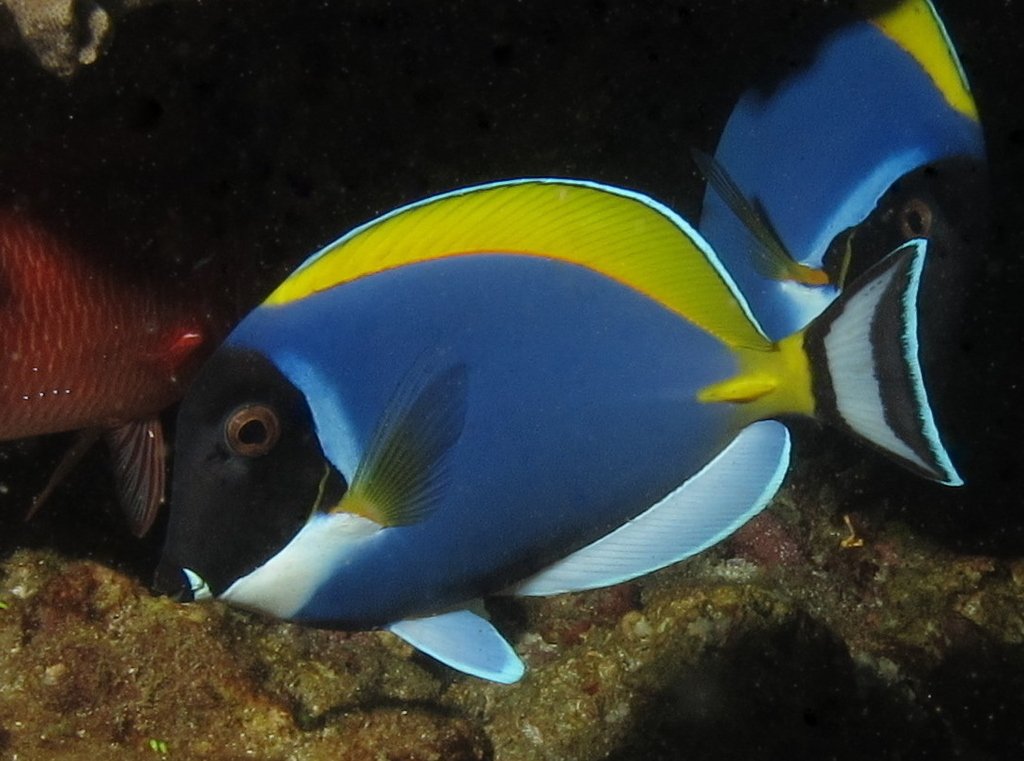
Divers recorded 41 small fish species and 44 species of larger animals shared with a coral reef surveyed nearby. The larger-animal species include sharks, rays and turtles. The authors read that overlap as animals moving freely between the two habitats. The invertebrate life on the two reef types, animals such as oysters, barnacles and sea urchins, shared no species at all.
The carbon figure describes the sampled peat and nothing larger: the paper says it is not a habitat-scale carbon stock, and not evidence that these reefs are capturing carbon today. The authors say that question needs measurements of peat thickness, density and greenhouse gas fluxes that the study did not make.
Peat reefs have been described before in cooler water, where salt-marsh peat in Cape Cod estuaries was found to shelter juvenile American lobsters. The authors describe their own survey as the first ecological characterization of the habitat in the tropics. The fieldwork was done in 2023 along the San Sebastian Peninsula, outside Mozambique's marine protected areas, and the data are open access.
Sources
- www.nature.comPeer-reviewed