Heart Attacks Are Now Sorted by Cause, Not by Number
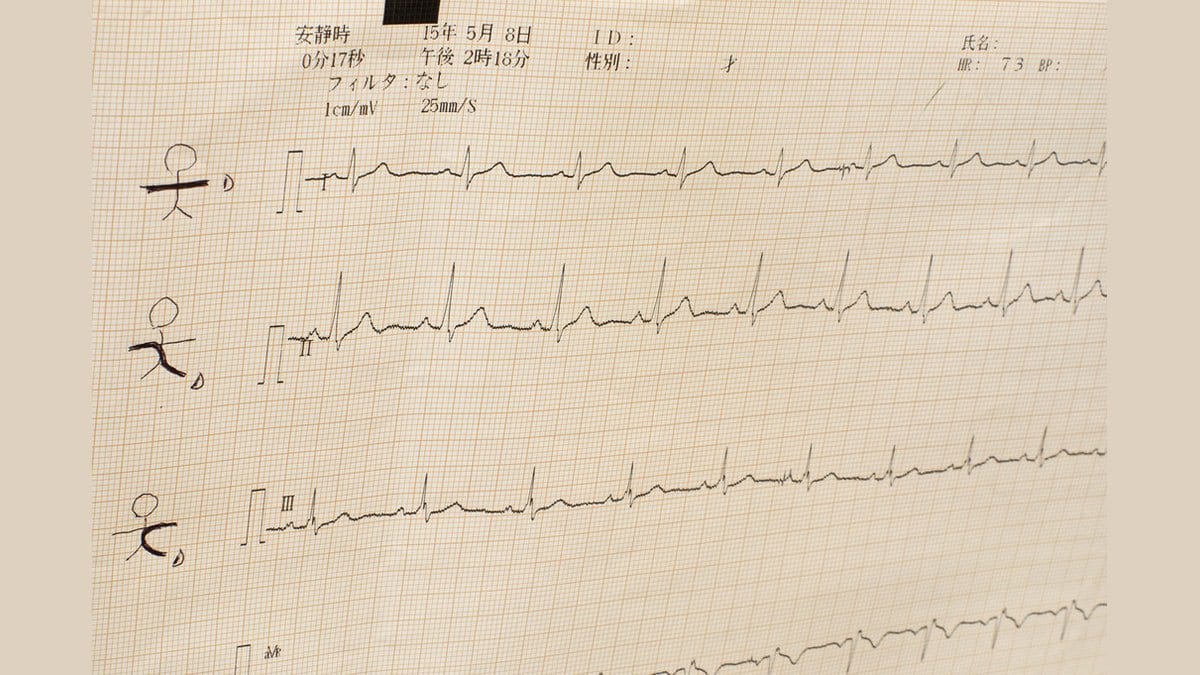
Four cardiac societies have replaced the numbered types used to classify myocardial infarction, the clinical term that includes heart attack, with three categories named for the cause. The Fifth Universal Definition of Myocardial Infarction was published Aug. 28 in the European Heart Journal, DOI 10.1093/eurheartj/ehag101, by the European Society of Cardiology, the American College of Cardiology, the American Heart Association and the World Heart Federation.
Every myocardial infarction, or MI, now falls into one of three clinical settings, according to the societies' joint release. Primary MI arises spontaneously from an acute problem in a coronary artery, most often a ruptured fatty plaque. Secondary MI comes from an imbalance between the heart's oxygen supply and demand, driven by another condition such as very high or very low blood pressure or a very fast heartbeat. Procedure-related MI occurs within 30 days of a cardiac procedure, such as coronary stenting, or a heart operation, such as bypass surgery. The release says the document sets out the diagnostic tests and investigations required for each.
The earlier definition sorted MIs by number. That system "was not always easy to apply in clinical practice, leading to inconsistences in diagnosis and treatment," Nicholas Mills of the University of Edinburgh, the ESC chair, said in the release. Kristin Newby of Duke University Medical Center, the ACC/AHA chair, said clinicians "often do not use the previous numerical terminology, e.g. type 2 or type 4c, in patient discussions as it is rather complex."
The societies also say they worked with the World Health Organization to propose codes in ICD-11, the WHO's global disease-coding system, that align with the new categories. The codes are proposed rather than adopted: WHF chair Sarah Zaman of the University of Sydney said in the release that "implementation will take time."
The release cites a 2023 meta-analysis in BMC Cardiovascular Disorders putting the prevalence of myocardial infarction at 3.8% in people under 60 and 9.5% in those over 60. The definition was presented at the ESC Congress in Munich on Aug. 30.
Sources
- European Heart JournalPeer-reviewed

Medical Disclaimer: This content is provided for general informational and educational purposes only. It is not medical advice and should not be used as a substitute for professional medical advice, diagnosis, or treatment. Always consult a qualified healthcare professional regarding any medical condition, concern, symptom, or treatment decision.