A Common Virus Wakes up in the Blood Months Before a Multiple Sclerosis Attack
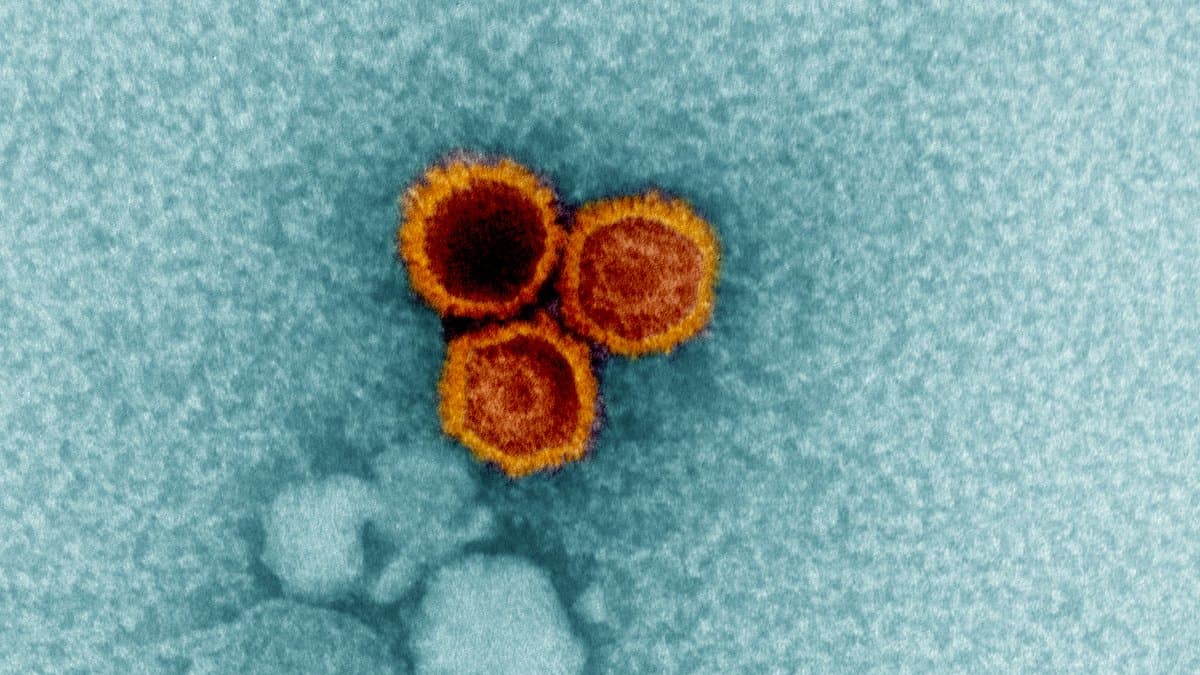
Blood samples from people with relapsing multiple sclerosis carry a repeatable pattern of immune activity up to three months before an attack, and the genes behind it are ones the Epstein-Barr virus switches on when it comes out of dormancy. A team at Brigham and Women's Hospital in Boston reported the finding on Sept. 16 in Nature Medicine.
The authors describe what they measured as candidate markers that could one day complement MRI scans and an existing blood test for nerve damage, giving doctors a warning before symptoms start. The effects are modest, the paper says, and proving their value would mean following patients forward with thresholds set in advance.
The work draws on CLIMB, a Brigham study that has followed thousands of MS patients for more than 25 years and banks their blood at routine visits. Samples taken shortly before an attack are rare, existing only when someone who looked stable at a draw later relapsed. Screening the archive produced 135 participants, patients and healthy volunteers together.
Two types of white blood cell, monocytes and B cells, carried the signal. In 23 patients with paired samples, one unusual group of B cells grew more common before the relapse in 21 of them. One of the virus's own genes, LMP-1, was more active in B cells sorted from pre-relapse blood, and a protein the virus places on the cell surface appeared more often.
The study watched patients rather than testing a cause. Its observational design "precludes definitive causal inference," the paper says, and it calls Epstein-Barr reactivation "a proximal precursor" of relapse while naming three other explanations its data cannot rule out.
Epstein-Barr infection is already treated as a requirement for multiple sclerosis to develop at all; the disease affects about 2.9 million people worldwide. The new work extends the virus's role, its authors write, from that first infection to repeated reawakenings as a candidate driver of individual attacks.
The US Department of Defense and private foundations paid for the work.
Sources
- Nature MedicinePeer-reviewed
Medical Disclaimer: This content is provided for general informational and educational purposes only. It is not medical advice and should not be used as a substitute for professional medical advice, diagnosis, or treatment. Always consult a qualified healthcare professional regarding any medical condition or treatment decision.