A Brain Region That Shrinks With Age Kept Its Skills Past 80
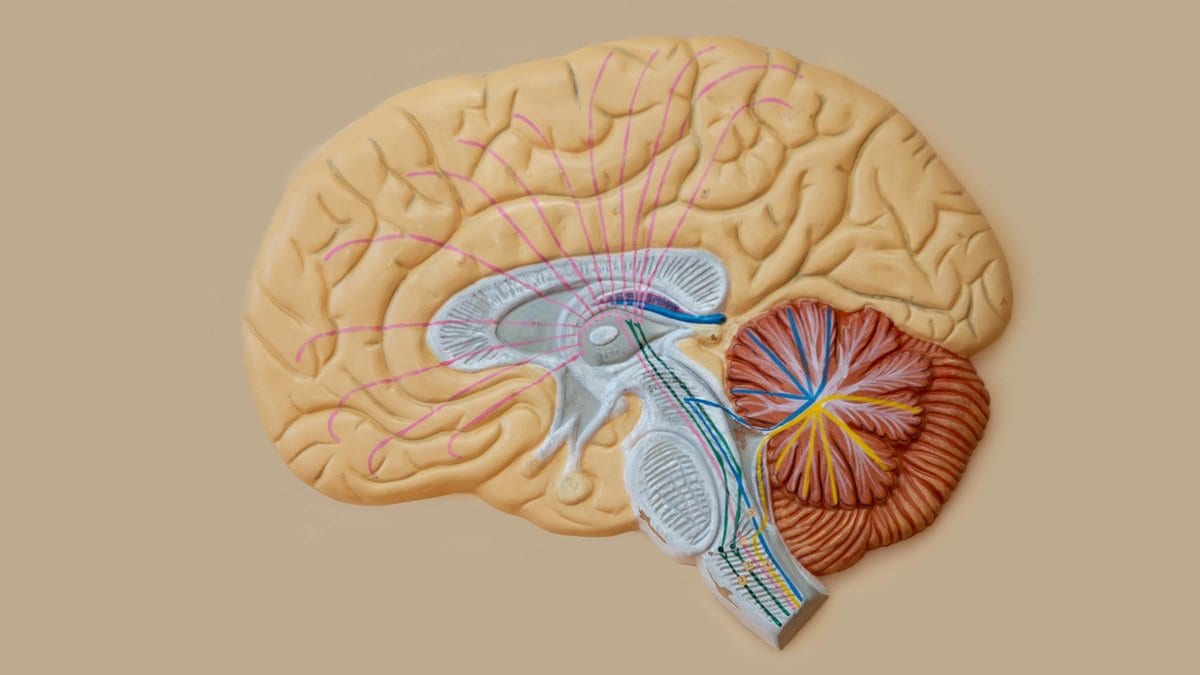
Motor and cognitive abilities that depend on the cerebellum were no worse in adults over 80 than in young adults, a research group at KU Leuven reports in the journal eLife. More general measures of movement and sensing, taken from the same battery of tests, declined clearly with age.
The cerebellum is the brain region that coordinates movement, and it loses tissue measurably as people get older. Whether that loss actually costs anyone cerebellar function has been argued both ways. Recognizing which abilities stay stable in old age, the authors write, matters as much for supporting healthy aging as documenting the ones that fail.
Anda de Witte, Jean-Jacques Orban de Xivry and colleagues at KU Leuven tested 160 people in three age bands: 50 aged 20 to 35, 80 aged 55 to 70, and 30 over 80. Each completed seven motor control tasks and a cognitive test, chosen so that cerebellum-specific performance could be told apart from general ability. The cerebellum-specific measures were intact in both older groups, including the oldest; the general ones were not. The three bands were compared against each other, and nobody was followed as they aged.
The team describes the pattern as evidence that cerebellar function is largely preserved despite pronounced structural degeneration. eLife publishes an assessment with each paper: the editor and reviewers who handled this one call the study important and its evidence compelling.
The Version of Record appeared on September 7 and is open access under a Creative Commons license. The same work has been public since January as an eLife Reviewed Preprint, revised once in April.
Sources
- eLifePeer-reviewed