Lab-Grown Human Brain Tissue Kept Maturing for Five Years
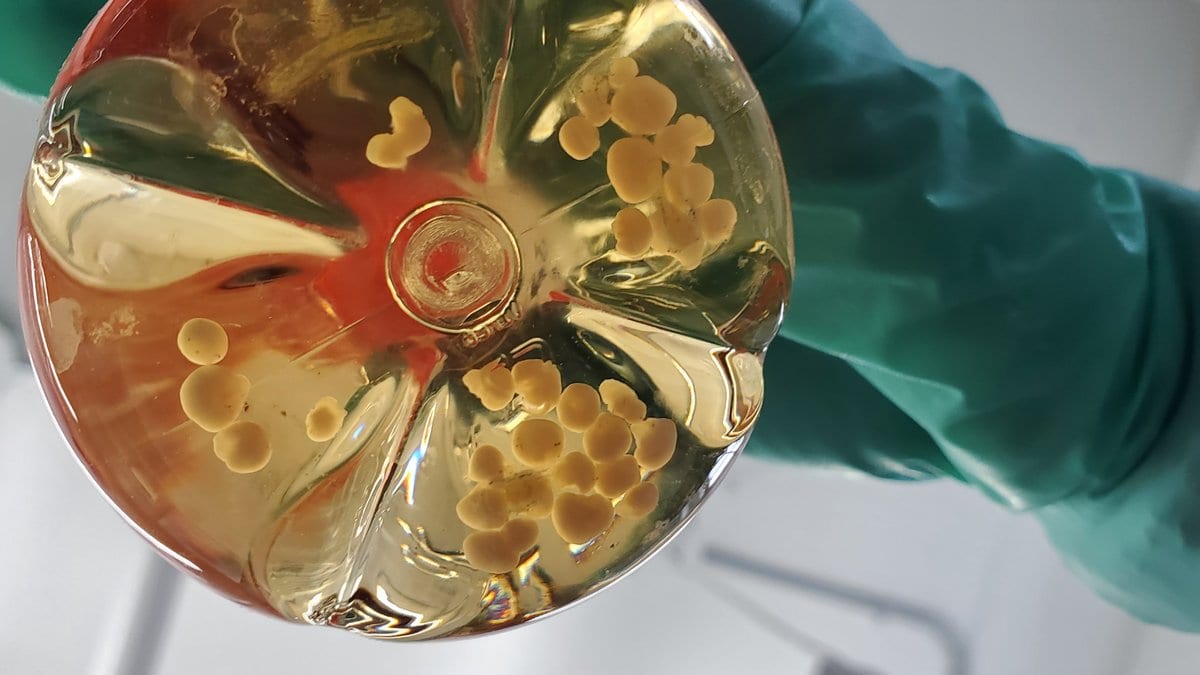
Human brain organoids kept in culture for more than five years went on maturing, and their molecular age tracked how long they had spent in the dish, a group led by Paola Arlotta of Harvard University reports in a paper published Aug. 19 in Nature.
Organoids are millimeter-scale clumps of tissue grown from human stem cells. Most studies follow them for weeks or months, and the paper states that the longest previous report ran to 694 days. To get further, the team switched the organoids to a culture medium that permits spontaneous electrical activity, which it reports extended the survival of excitatory neurons, the cells that carry the cortex's main outgoing signals.
The group profiled single cells from 34 organoids collected between six months and five years and combined them with 76 organoids it had profiled earlier, for 110 organoids and 424,720 cells in total, per the paper. Scored against gene-expression patterns taken from real human cortex, organoid cells shifted from fetal-like to postnatal-like profiles after about 12 months in culture, the authors report.
The clearest time signal came from DNA methylation, the chemical marks on DNA used to estimate biological age. Applying two established epigenetic clocks to organoids sampled at nine timepoints from three months to five years, the authors report predicted ages that tracked culture time with correlations of 0.88 to 0.90, at median errors of 7.25 and 20.04 months.
In a separate experiment, the team mixed progenitor cells taken from nine- to twelve-month-old organoids with freshly made young cells. The older progenitors produced late-born neuron types within about two weeks, progeny the paper says would normally take more than two months to appear. The authors read that as the cells retaining a record of time already spent.
Electrode recordings from organoids held two years in the activity-permitting medium still showed coordinated bursts of firing, according to the paper, and it reports neurons still detectable at 5.8 years.
Sources
- www.nature.comPeer-reviewed