How Roots and Soil Bacteria Work Together to Unlock Iron
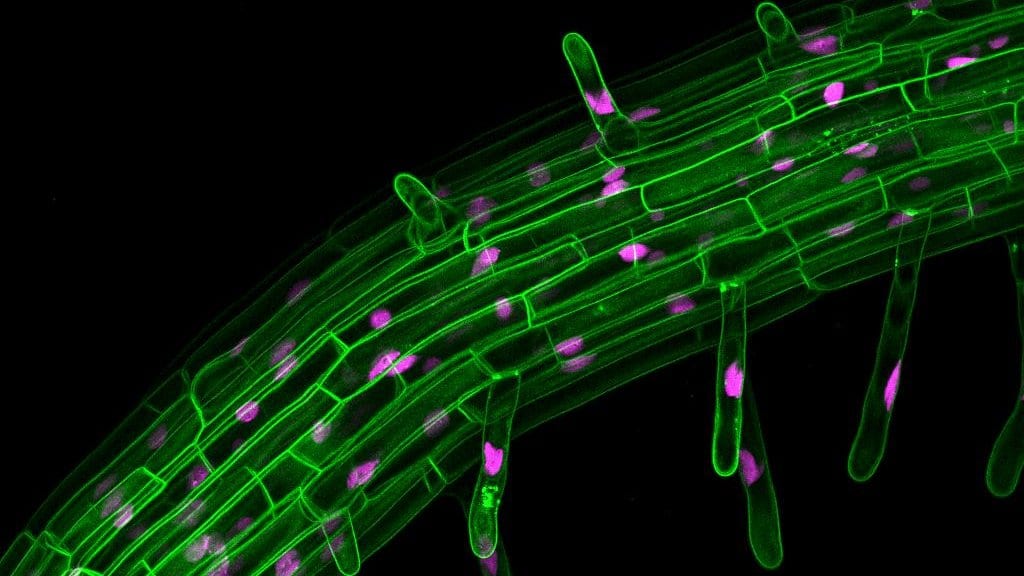
Iron-starved Arabidopsis plants change which chemicals they release into the soil according to how acidic their surroundings are, and the bacteria living on their roots then use those chemicals to free iron the plant can take up. Researchers at the Max Planck Institute for Plant Breeding Research in Cologne and the Leibniz Institute of Plant Genetics and Crop Plant Research in Gatersleben reported the result in Cell on Oct. 8, 2026. Arabidopsis is a small weed grown as a laboratory model.
Soil can hold a great deal of iron and still leave a plant short of it, and root bacteria are already known to ease that shortage. The authors say what had stayed unclear is whether plants take into account the soil around them, and what their microbes are doing in it, when deciding how to go after iron.
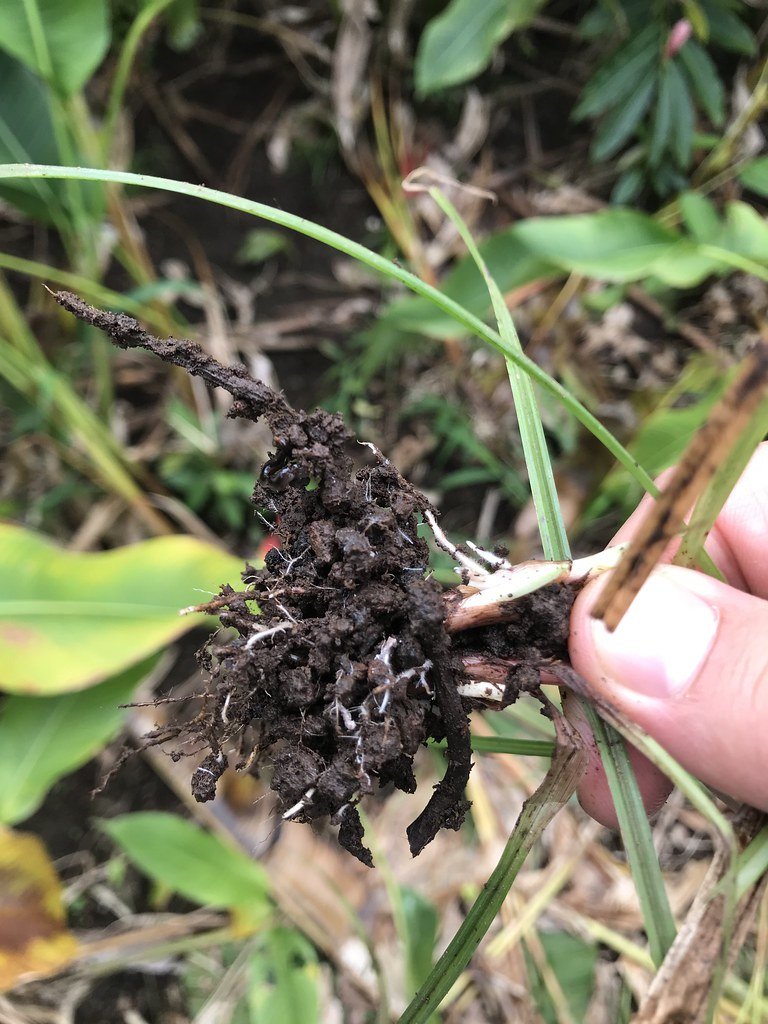
The answer in the Cell paper is that they do, and that the plant is in control. The compounds involved are coumarins, a family of molecules that roots release, and the plant puts out different coumarin mixtures as the acidity around its roots changes. Where conditions are close to neutral, the bacteria bind the iron with molecules of their own making, called siderophores. Where they are acidic, the iron is freed by a second route that works by reduction rather than by binding, and the bacteria switch that route on by sensing the chemical conditions around them.
The team reports that the bacterial genes behind both routes are common in root microbial communities and that they likely evolved before land plants appeared. The authors suggest that releasing such reactive compounds when iron runs short is a widespread adaptation among plants other than grasses, built by taking over chemistry that soil microbes already had.
The helpful bacteria were not a narrow set. The effect appeared across many kinds of bacteria isolated from root communities in soils with different properties, and it held over a range of acidities.
Sources
- CellPeer-reviewed