The World's Rivers Had One of Their Driest Years in Three Decades
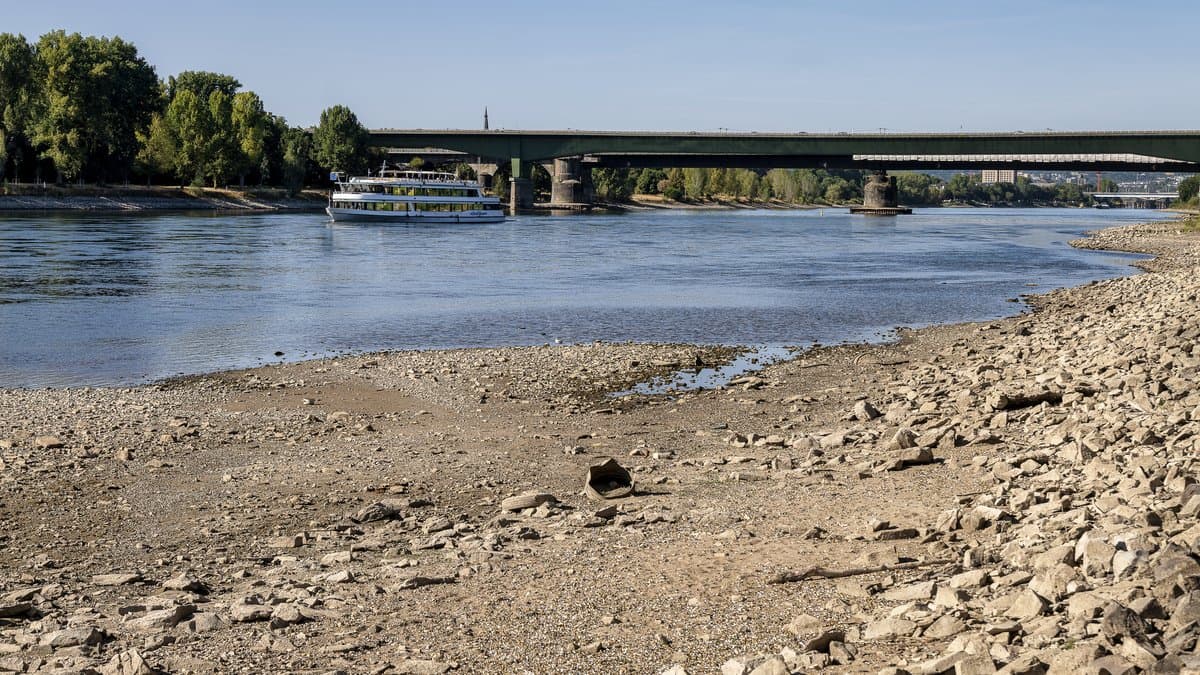
The World Meteorological Organization reported Sept. 17 that 2025 was one of the driest years for the world's rivers in more than three decades, in the agency's annual assessment of the global water cycle.
The WMO designed the report as a science-based overview of the entire water cycle, from river flow and groundwater to snow and ice, meant to help countries and water managers find where supplies are under stress and plan around it. It is built from data supplied by national weather and water services, computer models and satellite measurements.
Below-normal river flows covered 36% of the world's river basin area in simulations from global hydrological models driven by observed weather data. For the seventh year in a row, river basins with normal flow were a clear minority, as the water cycle has become more erratic and unpredictable, swinging between too little water and too much.
Fresh water held on and under land has been in decline for about a decade. That total counts groundwater, soil moisture, rivers, reservoirs, snow and ice. Nearly two-thirds of monitored wells worldwide sat outside their historical range in 2025, and the balance shifted further toward deficit rather than recovery, WMO Secretary-General Celeste Saulo said in a statement issued with the report. Slow reserves such as groundwater, glaciers and seasonal snowpack have cushioned bad years so that a single drought does not become a water crisis. "We are depleting that savings account," she said.
Glaciers lost 408 billion metric tons of mass in the 2025 hydrological year, measured winter to winter. It was the fourth year in a row in which every major glaciated region recorded a net loss.
Asia and Africa together accounted for at least half of all recorded water-related extreme events and more than 80% of the reported deaths from them over the past five years. Both regions remain among the least represented in its water measurements.