El Niño Is Strengthening Toward a Record, the UN Weather Agency Says
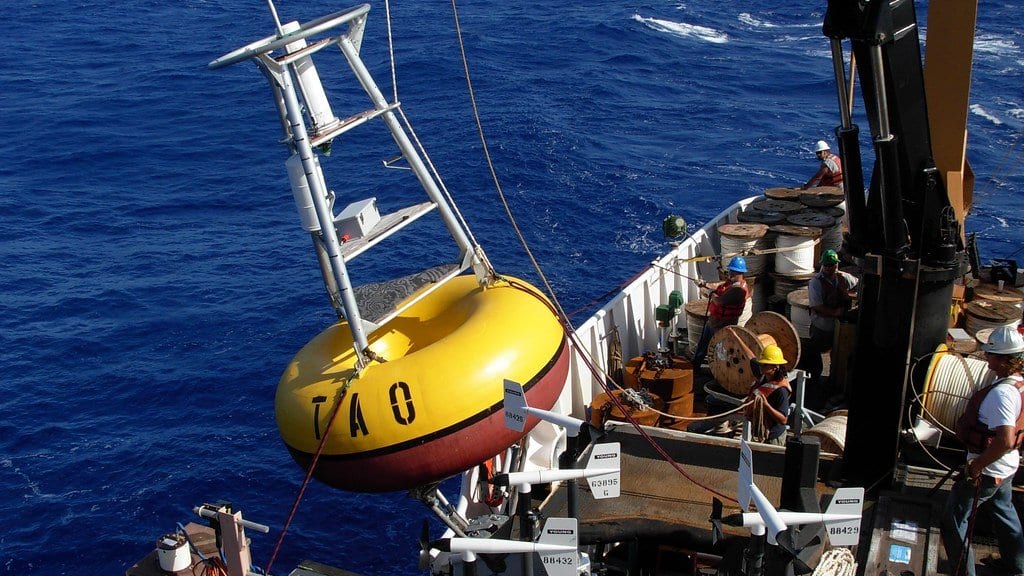
The World Meteorological Organization forecast on Oct. 8, 2026, that sea surface temperatures in the central and eastern tropical Pacific will reach record levels from October to December, as the El Niño now under way strengthens.
The forecast sits in WMO's monthly Global Seasonal Climate Update, its guidance on the drivers of seasonal temperature and rainfall. WMO says the event will keep intensifying ahead of a forecast peak in December, bringing above-average temperatures to much of the globe and shifting rainfall patterns, raising the risk of drought in some regions and floods in others.
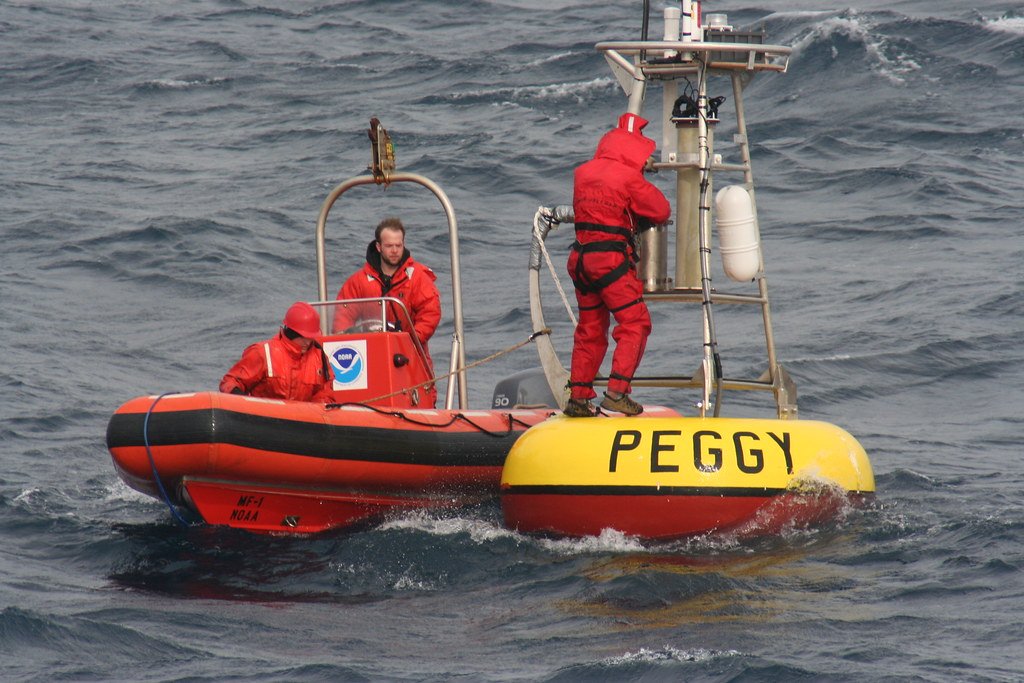
That stretch of ocean is tracked by the Niño 3.4 index, a measure of how far it sits above normal. WMO reports the index rose from +1.6 °C above normal in June 2026 to +2.5 °C in August, and forecasts about +3.7 °C for October to December. That record figure is a forecast rather than an observation, and WMO says it would be the highest since observations began, above the previous record of +2.6 °C in November 2015 to January 2016.
"El Niño is firmly established and strengthening rapidly. WMO forecasts indicate a near-100 per cent likelihood that it will persist through February 2027, potentially being one of the strongest since at least 1950," said WMO Secretary-General Celeste Saulo. WMO says that figure is a consensus across thirteen national and international centers rather than one model's output.
Saulo told the Global Heat Forum in Bangkok that El Niño adds no new heat to the planet. "It releases heat the ocean has already been storing beneath the surface," she said, adding that a strong event often becomes one of the hottest years measured, as in 2024.
WMO's update follows the UK Met Office's own forecast for this El Niño in August 2026. WMO says Earth had its hottest August on record, citing reports from the European Union's Copernicus Climate Service, the US National Oceanic and Atmospheric Administration and NASA.
WMO says those seasonal signals describe where wetter or drier conditions are more likely and are not a substitute for national and local forecasts.