Wildfire Smoke and Heat Are Working Against Cleaner Air, UN Weather Agency Says
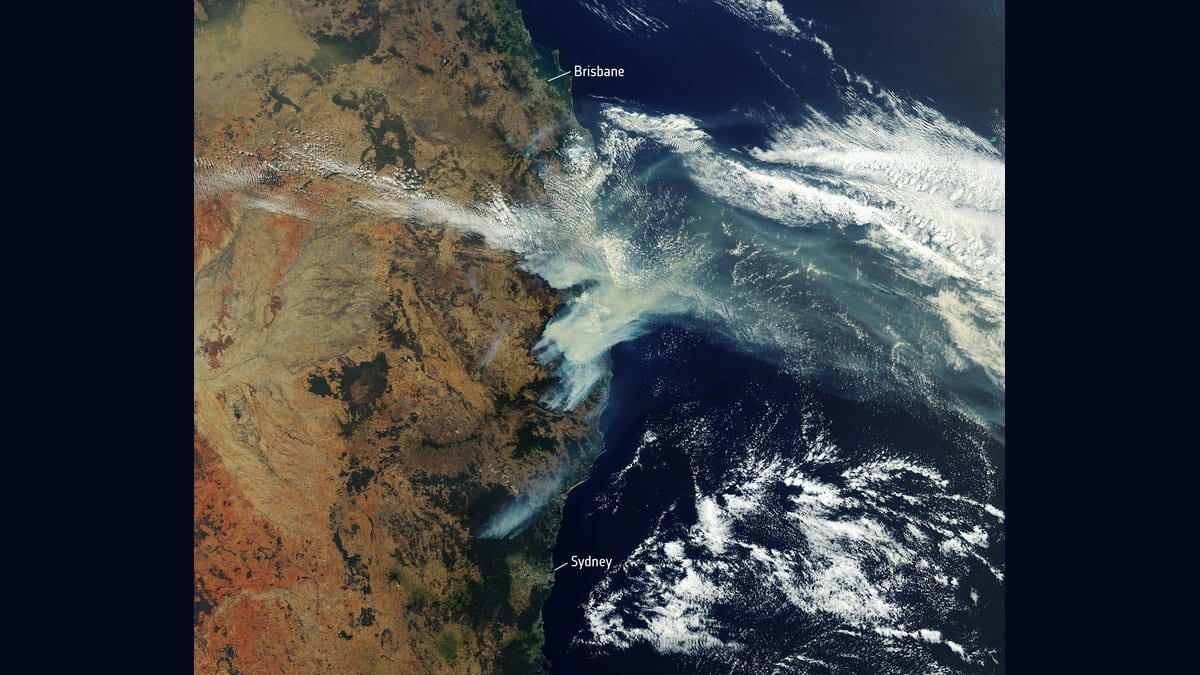
The World Meteorological Organization published its annual Air Quality and Climate Bulletin on Sept. 7, reporting that smoke from wildfires and ground-level ozone formed during heatwaves are pushing pollution back up even where traffic and industrial emissions have fallen.
The report is meant to show that air quality and climate cannot be dealt with in isolation and that policies on the two have to be coordinated, WMO says. It draws on data from the agency's Global Atmosphere Watch network, and this edition covers 2025.
The agency's release reports that PM2.5 (fine airborne particles small enough to enter the bloodstream) was above the long-term average last year in northern Canada, part of the Russian Federation and western-central Africa, amid increased fire activity. Northwestern Spain was also a hot spot after exceptional fires late in the summer. Levels stayed below the long-term average in China, reflecting a decline in emissions from human activity. They stayed above average in India, because of biomass burning and other pollution. Burning in Amazonia was lower than in previous years.
This edition used models from four different sources for the first time. WMO says the results were comparable and largely consistent despite the differences between the models and their inputs.
Regulations in Europe and North America have cut industrial and transport emissions of these particles while exposure to fire-related particles has increased, the bulletin reports. One study it cites finds that extreme fire-smoke events have tripled globally since the 1990s, contributing an estimated nearly 100,000 additional deaths a year between 2010 and 2018, a figure WMO says may well be an underestimate. A separate health study cited in the bulletin found that risk models based on total fine-particle levels may understate deaths attributable to wildfire smoke by up to 93%.
The bulletin also ties heatwaves to ground-level ozone, which forms when high temperatures, stagnant air and strong sunlight come together. "Looking forward, ozone-related health risks are expected to intensify," it says.