Merck and Moderna Say a Therapy Made From Each Patient's Own Tumor Cut the Risk of Melanoma's Return
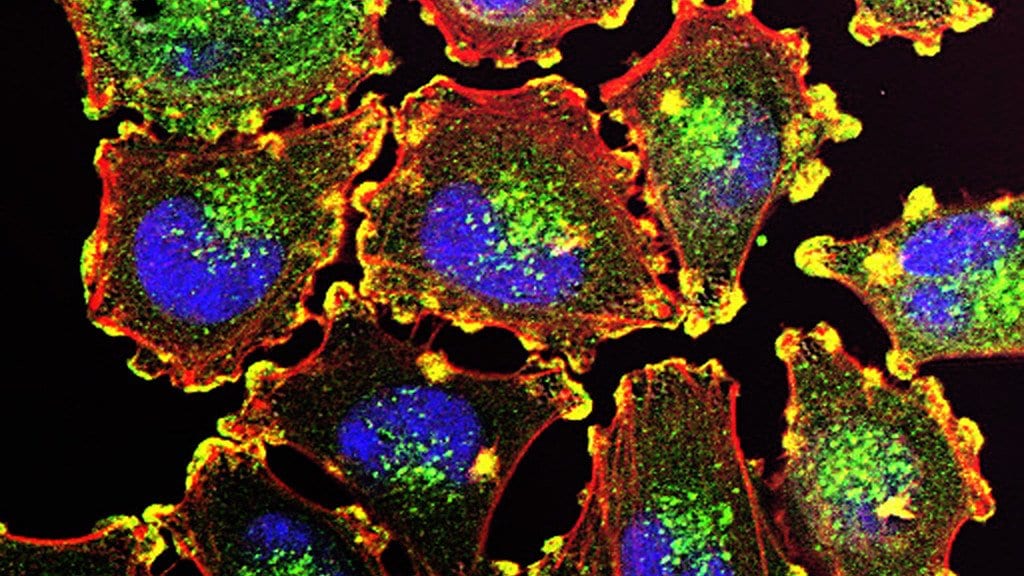
Merck and Moderna said on Oct. 22, 2026, that adding their individualized mRNA therapy to the immunotherapy Keytruda cut the risk of melanoma returning, or of death, by 42% in patients whose tumors had been surgically removed.
The therapy, intismeran autogene, is made for one patient at a time. The companies say the mRNA dose is built around mutations found only in that person's tumor, so the immune system is pointed at the cancer the patient actually has. It is given after surgery, to people whose melanoma has been removed but who remain at risk of it returning, most often within two years.
The figures come from the companies' joint release. The Phase 3 trial, INTerpath-001, enrolled 1,137 patients whose stage IIB to IV melanoma had been completely removed, and followed them for a median of 24.6 months. The companies also reported a similar benefit on the risk of the cancer spreading to distant organs.
The benefit did not arrive at once. For the first six months, while patients were still receiving the injections, the companies reported no measurable difference between the two groups. From the end of that course onward, they put the reduction at 58%, in an analysis specified before the data were examined.
The companies said that survival data are not yet mature, that the trial is continuing to collect them, and that they are now in discussions with regulators. Intismeran is investigational and approved nowhere. Every figure here is the companies' own analysis of a trial they funded and presented at the European Society for Medical Oncology Congress; the New England Journal of Medicine has accepted a paper but not published it.
The companies reported that treatment-related side effects were more common with the combination than with Keytruda alone, most often fever, injection-site pain and fatigue. Severe reactions were about equally common in the two groups, and the companies said no new safety signals appeared.
Merck and Moderna announced
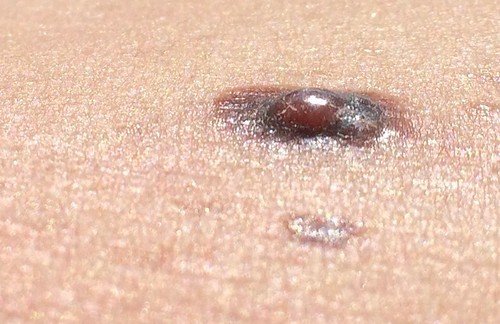
in August 2026 that the trial had met its two main endpoints, without releasing any effect size at the time.
Sources

Medical Disclaimer: This content is provided for general informational and educational purposes only. It is not medical advice and should not be used as a substitute for professional medical advice, diagnosis, or treatment. Always consult a qualified healthcare professional regarding any medical condition, concern, symptom, or treatment decision.