Botanists Name a Giant Waterlily Big Enough to See From Space
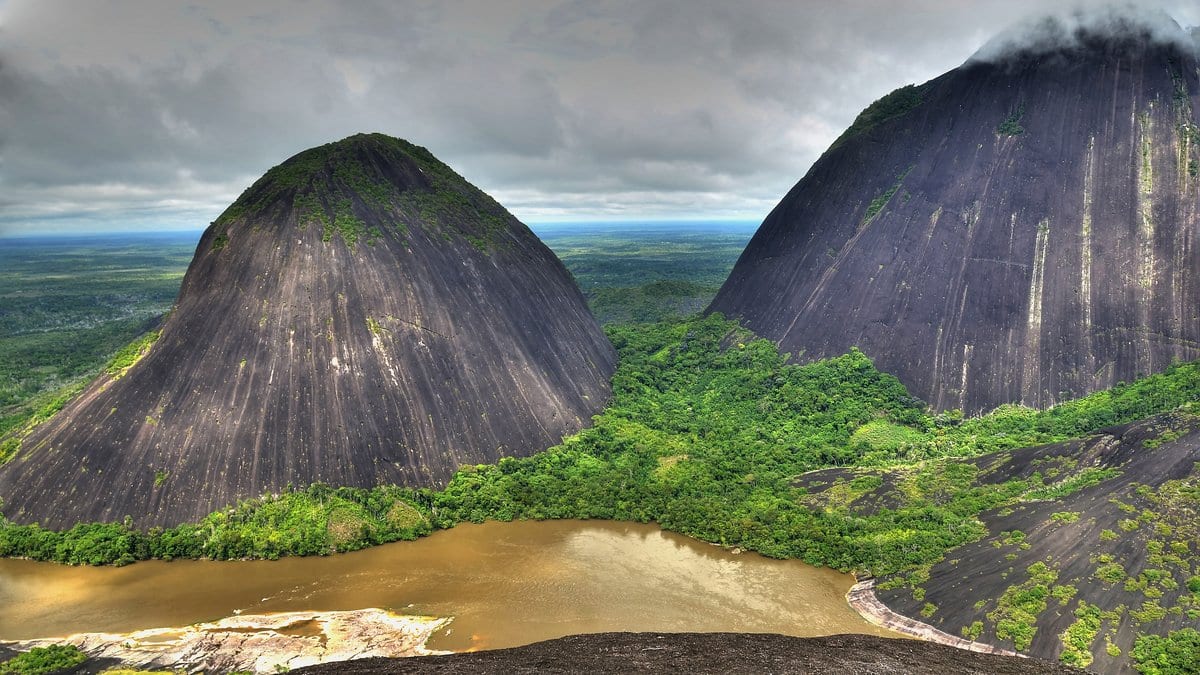
Botanists have described a new species of giant waterlily from the upper Orinoco basin in eastern Colombia. The description was published Oct. 7, 2026, in the journal Phytotaxa, under the name Victoria colombiana. The same paper recognizes a second species, Victoria mattogrossensis, in South America's Pantanal wetland, and puts the number of accepted giant waterlily species at five.
The paper supplies a key for telling the five apart, along with a full history of their scientific names. Its authors write that the Colombian plant was first noticed in an Instagram post and that it can be seen from space.
The first author is Carlos Magdalena, a waterlily specialist at the Royal Botanic Gardens, Kew, and the senior author is Maarten J.M. Christenhusz, also at Kew. Their co-authors are at the Jardin Botanico Jose Celestino Mutis in Bogota, the mapping company DreamGIS, indigenous reserves in Colombia and a plant nursery in Colorado.
The authors report that the seeds of these waterlilies have no known animal carriers and are sensitive to drying out, leaving rivers and their floodwaters as the main way the plants travel. On their account, shifting river courses and river basins isolated since the Pliocene epoch, several million years ago, may have driven the group to split into separate species.
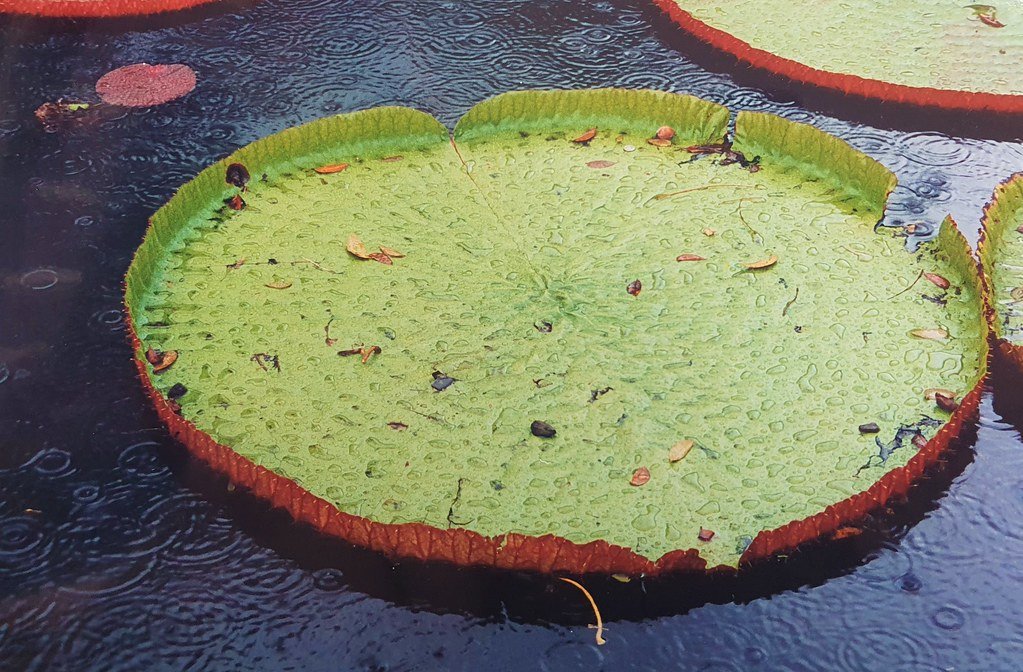
Magdalena told The Guardian he came across a photograph taken in the Inirida River in Guainia by Jeremiah Harris, a co-author who had mistaken the plant for the widespread Victoria amazonica. Magdalena said he then spent several years on satellite imagery, funding and permits before a five-day expedition with the Bogota garden and members of local indigenous reserves found a population.
The team told the newspaper it estimates there are 30 to 50 of the plants in the wild, and describes the species as critically endangered. It says it is working toward a listing on the International Union for Conservation of Nature's Red List, which the plant does not yet have. The researchers also hope to collect seed and grow the plant in Bogota.
Sources
- PhytotaxaPeer-reviewed