The Droughts That Dry Every Soil Layer at Once Are Spreading
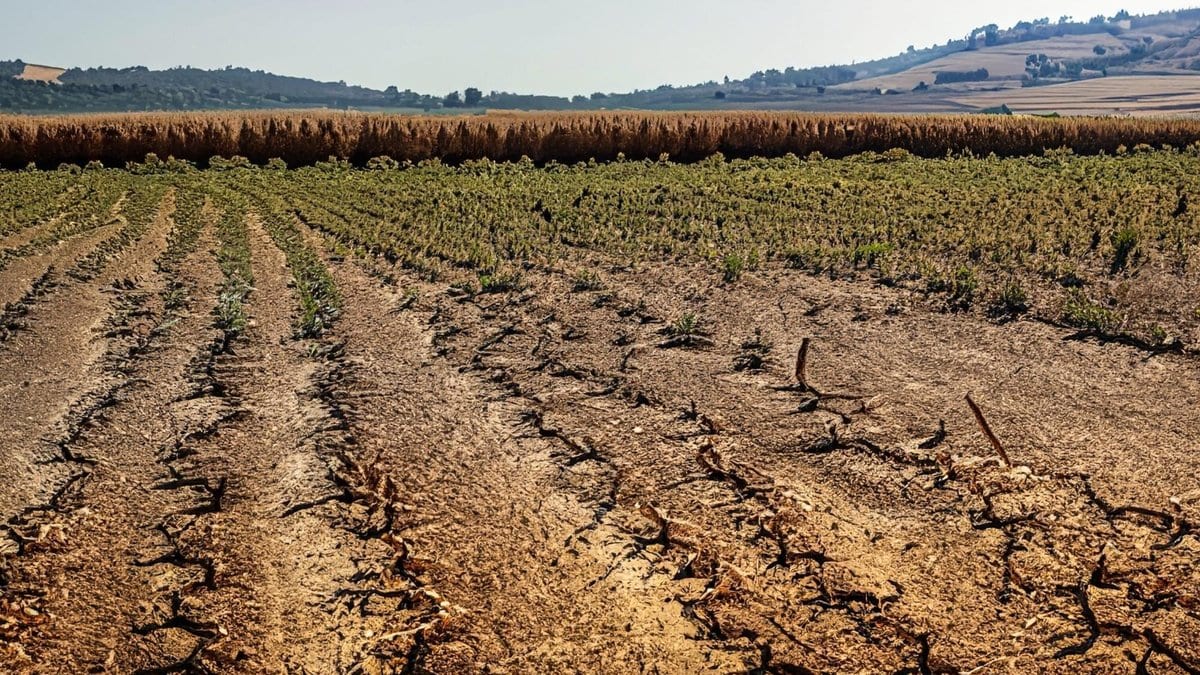
Droughts that dry out every layer of the soil at once have grown longer and more frequent across more than half of the world's land since 1981, according to a study published Sept. 1 in Nature Geoscience.
The team, led by Xihui Gu, identified what it calls vertically compound droughts (periods when all soil layers from the surface down to 100 centimeters are short of water at the same time) during the warm seasons of 1981 to 2020, using multilayer soil moisture products. Their annual duration and their share of all drought days "have increased across more than half of global lands over the past four decades," with pronounced hotspots in southwestern North America, South America, Africa, mid-latitude Eurasia, southeastern Asia and Australia.
The layers matter because roots and soil microbes are spread through the profile. When only one depth dries out, plants can still draw water from another; when all of them dry, ecosystems "lose all vertical buffering capacity against drought."
The study also puts a figure on what standard practice misses. Monitoring and risk assessments have generally diagnosed drought from the average moisture of the whole profile, which overstates the duration of vertically compound drought by about 128.3% while understating the associated ecosystem losses by about 27.8%.
Where these droughts occur, the authors report substantial declines in ecosystem productivity, particularly in forests and croplands, which threaten carbon sink stability and food security. They call for monitoring, mitigation and adaptation strategies designed around multilayer soil moisture rather than profile averages.
Sources
- Nature GeosciencePeer-reviewed