A Standard Wash Turns Real Clothing Dust Into Lab-Ready Samples
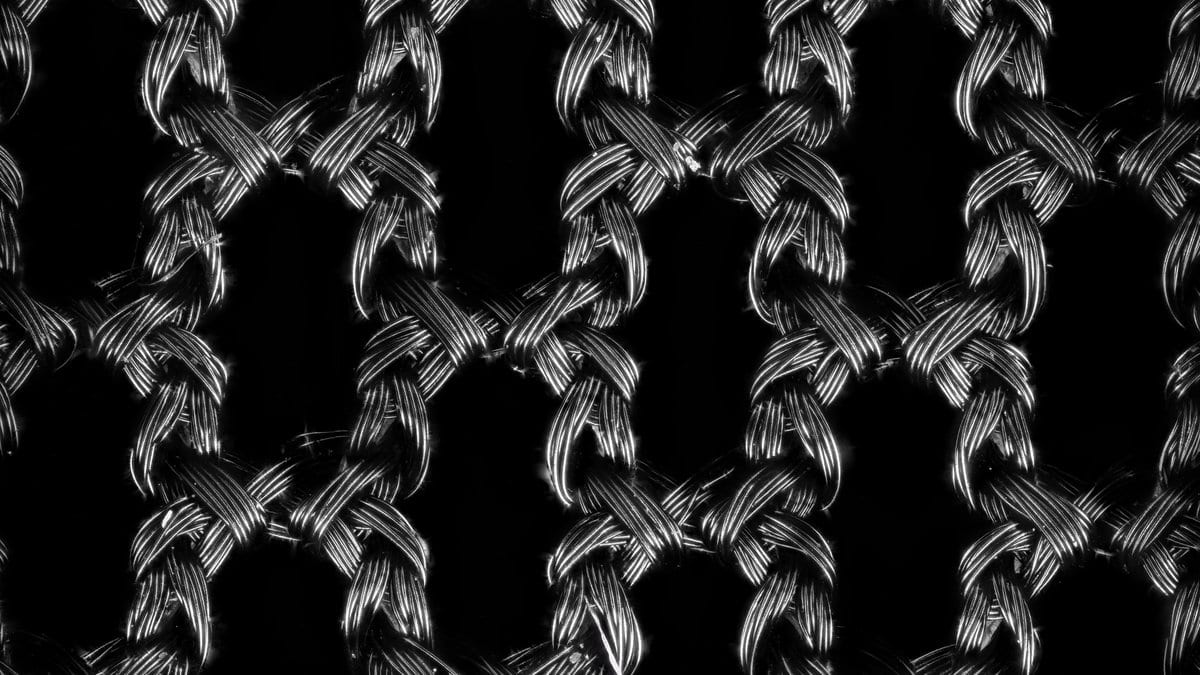
Researchers at Empa, the Swiss Federal Laboratories for Materials Science and Technology, have published a step-by-step method for washing the particles that a piece of fabric sheds into a clean, countable liquid sample. The sample can then be put on human lung cells growing in a dish. The work appeared Nov. 12, 2026, in the journal Microplastics and Nanoplastics.
They built it because cell studies of textile dust mostly use simplified, size-sorted or pristine test material that does not match the complexity of what fabric releases in the real world. This is a methods paper: it reports a working protocol and no toxicity finding, and the authors present it as groundwork for more realistic studies of whether textile particles harm the lung.
The team reports that its standardized, water-based Gyrowash extraction left the fibers intact and produced sterile samples compatible with cell culture that could be counted accurately. The protocol was then tuned to give repeatable readings of effects traceable to the material itself, in Calu-3 cells, a line of human lung lining cells. Stephanie Eitner is the first author and Peter Wick the corresponding author, both at Empa in St. Gallen.
According to the paper, what textiles shed is not only plastic. Real-world emissions include synthetic, natural and biobased materials, meaning materials made from biological sources, and the mixtures vary widely in size, shape and chemical composition.
The authors add that optional steps for closer physical and chemical analysis are built into the workflow, and that these can help identify where contamination entered a sample.
The work was paid for from internal funds of two Empa laboratories in St. Gallen, the Nanomaterials in Health Laboratory and the Technology and Society Laboratory, with no external funding. It is open access under a Creative Commons Attribution License, and the version online is the accepted manuscript, which Springer Nature says will be replaced automatically by the final version of record.
Sources
- Microplastics and NanoplasticsPeer-reviewed