NOAA Lab Says It Can Forecast a Sunnier or Cloudier Spring in the Southwest
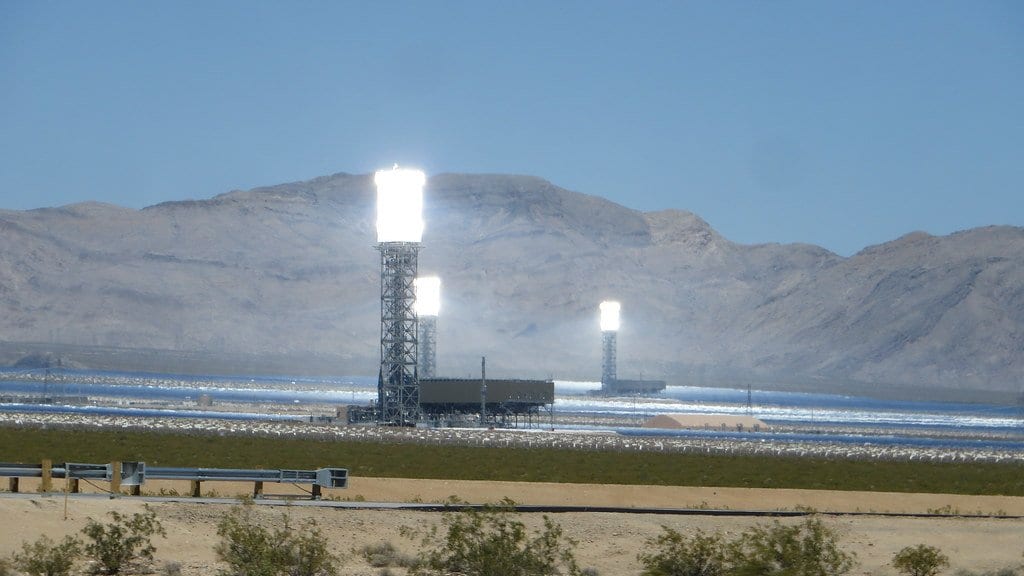
Scientists at NOAA's Geophysical Fluid Dynamics Laboratory report that a seasonal forecast system predicts with high skill how much sunlight will reach the southwestern United States in spring. They say the dominant source of that predictability is the El Niño-Southern Oscillation, the Pacific warming and cooling cycle. The work was published Oct. 3, 2026, in Communications Earth & Environment.
A forecast is skillful when it beats the obvious fallback of assuming the season will look like the long-term average. It is a claim about a whole season, not about the weather on a given day in April. The authors say the rapid expansion of solar and wind power across the United States is raising demand for reliable seasonal forecasts to guide energy planning and grid operations. They offer their result as a basis for building such forecasts into wind and solar planning.
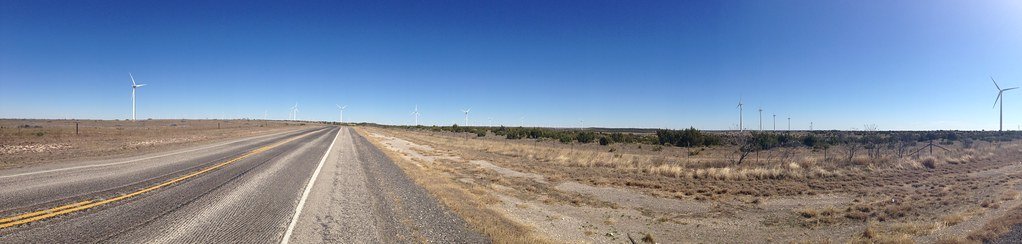
The paper identifies two leading sources of solar predictability. The dominant one is linked to primary El Niño-Southern Oscillation conditions; the secondary one to differences among individual El Niño events and to variability in the tropical Atlantic. The authors report that the two together explain the spatial pattern of forecast skill, and that state-level evaluations show robust skill in the states with the largest solar resource.
The forecast system also captures what the researchers call the compound behavior of wind and solar variability, and past seasons in which the two moved together: energy droughts, when both run low, and surpluses, when both run high. The authors frame that as compound risk management, with the main concern being both resources failing at once.
The paper is open access under a Creative Commons BY 4.0 license. Xiaosong Yang and colleagues at the laboratory in Princeton, New Jersey, wrote it with Colleen E. McHugh of Science Applications International Corporation, and NOAA base funding to the laboratory paid for the work.
Sources
- Communications Earth & EnvironmentPeer-reviewed