Where Mexico Pumps the Most Groundwater, Carbon Emissions Follow
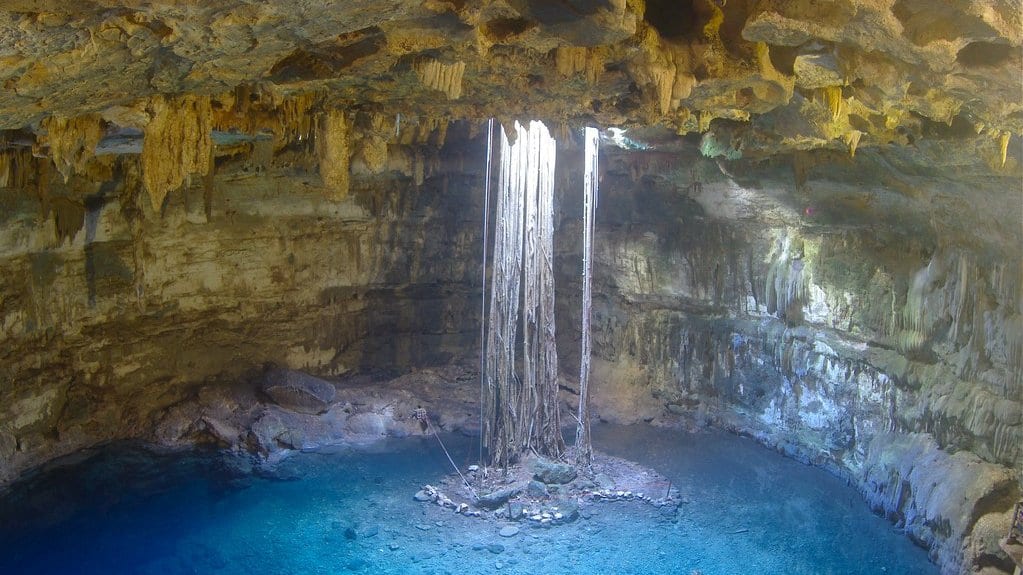
A study published on Aug. 29, 2026, in Communications Earth & Environment estimates how much carbon dioxide Mexico's groundwater use puts into the atmosphere, using satellite measurements of the country's shrinking groundwater, the chemistry of the water and the energy spent pumping it.
Researchers at Tecnológico de Monterrey in Mexico and UPES in India write that pumped groundwater releases carbon dioxide in two ways: carbon dissolved in the water escapes once the water reaches the surface, and energy is spent running the pumps. They combined satellite-derived groundwater storage changes, concentrations of bicarbonate (the dissolved form most groundwater carbon takes) and pumping energy for 2012, 2017 and 2021 to produce national emissions figures. Those figures are an inventory derived from the three inputs, not a direct measurement of gas leaving the ground.
Emissions are highest in Chihuahua, Sonora, Zacatecas, Guanajuato and San Luis Potosí, where intensive extraction coincides with elevated bicarbonate. A cluster analysis separates those northern and central states from lower-emission southern and Gulf states. Veracruz, Campeche, Tabasco, Chiapas and Yucatán come out lower despite relatively high bicarbonate because groundwater there is being depleted less.
Depletion and mineralization "act together to amplify emissions," the study states, leading the authors to call for low-carbon pumping and improved water management. Mexico is one of Latin America's largest agricultural users of groundwater.
The work was received Nov. 19, 2025, and accepted Aug. 6, 2026, per the journal's publication record. It is open access under a CC BY-NC-ND license, and is published as an accepted early version that will be replaced by the final version of record.
Sources
- doi.orgPeer-reviewed