A 1,000-Year Coral Record Shows El Niño Swings Getting Stronger
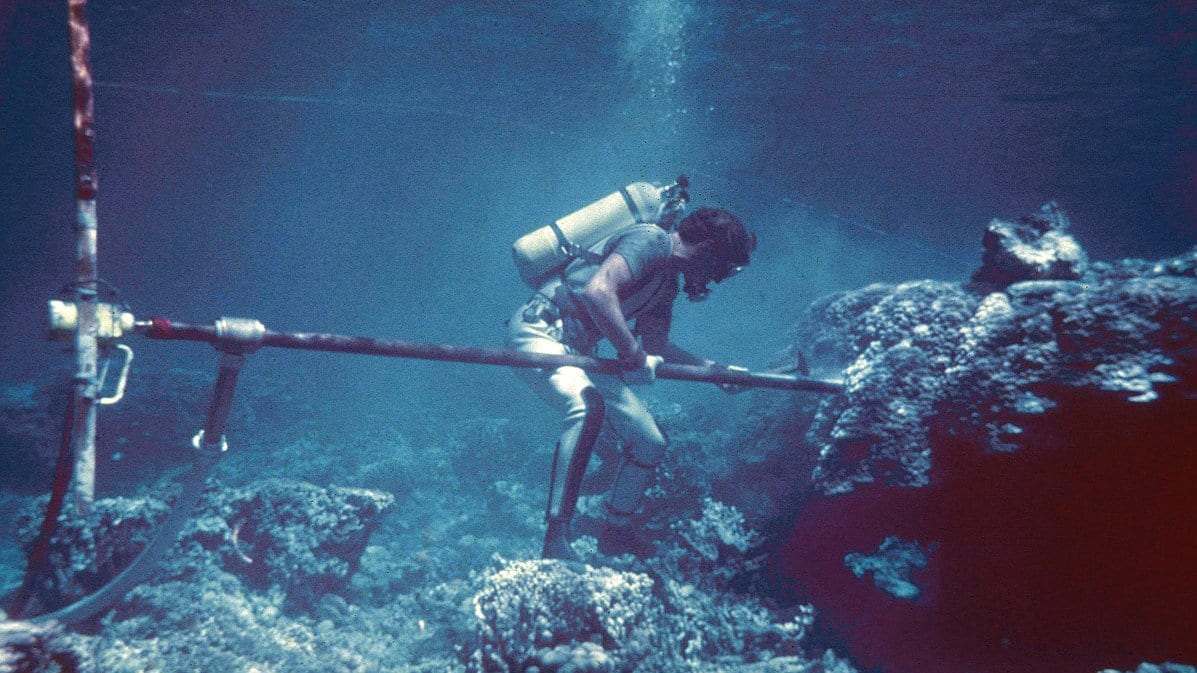
Coral skeletons from the Galápagos Islands carry a record of ocean temperature stretching back 1,000 years. Their chemistry shows a large recent increase in year-to-year temperature swings in the eastern equatorial Pacific, a team led by J. E. Cole of the University of Michigan reports in Science. The increase is larger than in existing records of the past millennium and exceeds the natural variability that climate models simulate.
The team attributes the rise to stronger El Niño events. El Niño is the warm phase of the Pacific temperature cycle scientists call ENSO, which generates climate extremes that endanger ecosystems, infrastructure and human well-being worldwide. How ENSO responds to a warming climate remains poorly constrained because measurements are scarce and models disagree.
Corals build their skeletons from seawater, so the layers they add each year preserve the chemistry of the water around them. After reading those layers back through the past millennium, the researchers found that the recent increase in variability parallels rising global temperatures.
Coral data from the central Pacific also show increased variability, though less distinctly than in the Galápagos. These findings provide long-term context for understanding ENSO trends, carrying troubling implications for climate extremes.
Science received the paper on April 16, 2025, accepted it on Aug. 12, 2026, and published it online on Aug. 27, 2026, per the journal's publication record. Its 13 authors are based at eight institutions, including the University of Arizona, the University of Edinburgh and Moody's risk-management group.
Sources
- doi.orgPeer-reviewed