Cameras Left on a Maldives Reef Recorded Sharks Almost Every Day
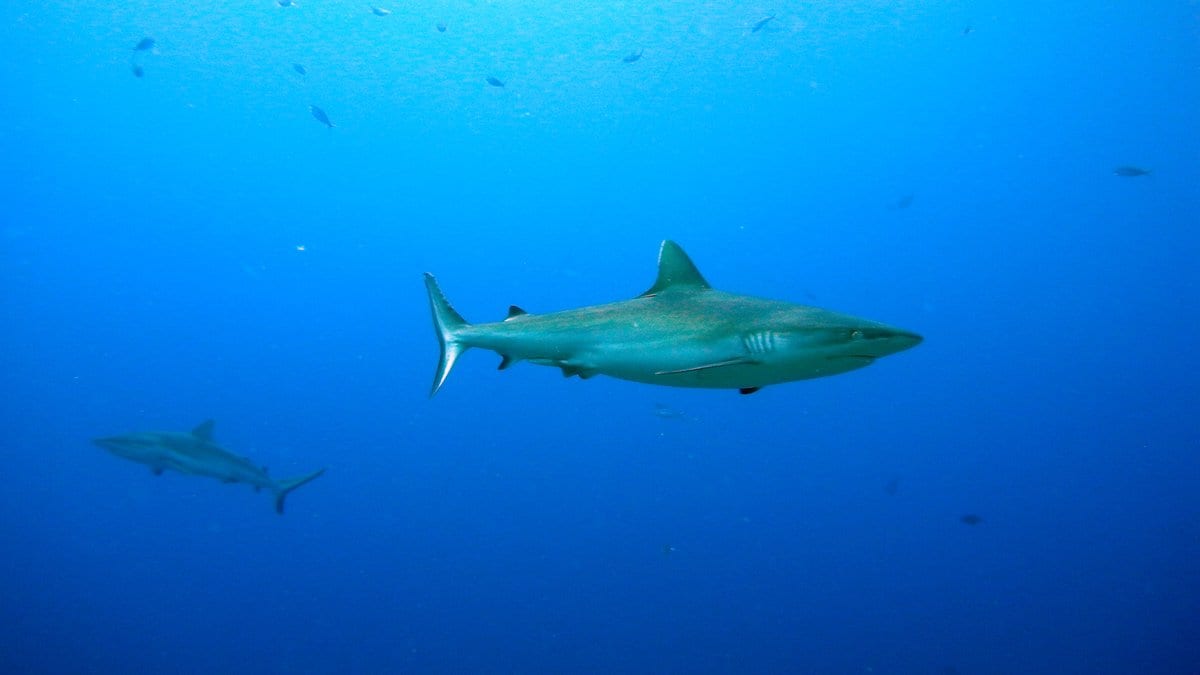
A team led by Kaitlyn M. Zerr of the Manta Trust and the Maldives Manta Conservation Programme left remote time-lapse cameras on three reefs at Fuvahmulah Atoll in the southern Maldives and recorded sharks or rays on 95% of the days the cameras ran. Published Oct. 25, 2026, in Scientific Reports, the survey analyzed 1,629,756 images taken during daylight hours between March and August 2022.
The authors note that Fuvahmulah was designated a UNESCO Biosphere Reserve partly for its marine megafauna, and that its shark and ray populations had been little studied. The paper records the highest shark sighting rates inside the Farikede marine protected area, where management plans are still in development, both overall and for grey reef, whitetip reef and tiger sharks.
Four ray and seven shark species appeared in the images. Whitetip reef sharks were seen in the most hours and on the most days. Pelagic thresher sharks were sighted in the most images, 27,447 of them, reflecting the long stretches the species spent at one site known to be a cleaning station, where fish pick parasites off larger animals. Sharks or rays appeared in 72% of the hours surveyed.
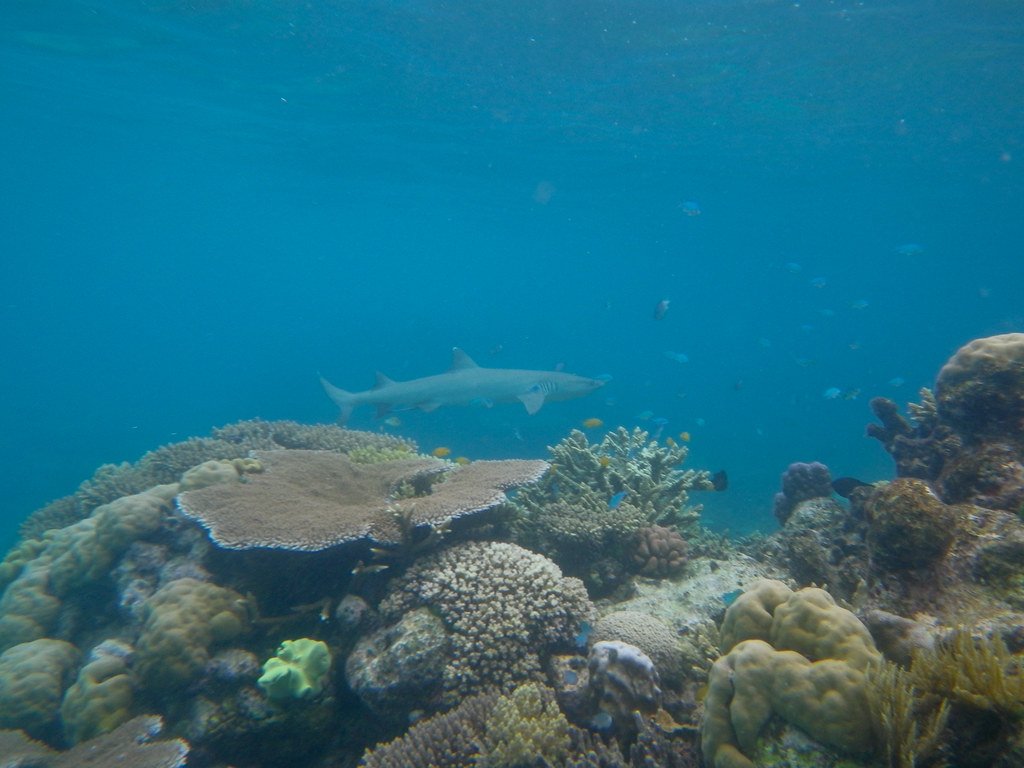
The cameras sat at shallow sites on the atoll's outer reef slope and recorded in daylight only. The counts are therefore sighting rates at those sites rather than an atoll-wide population estimate. Zerr, senior author Julia K. Baum of the University of Victoria, and their colleagues describe the counts as the first quantitative reports of Fuvahmulah's elasmobranchs, the group that contains sharks and rays. They say the results underscore the importance of the atoll and of protected areas for keeping those animals there.
Scientific Reports published the paper open access under a Creative Commons license that permits noncommercial reuse without modification. It is the publisher's accepted version, which Springer Nature states will be replaced automatically by the final Version of Record.
Sources
- Scientific ReportsPeer-reviewed