Monsoon Storms Carry Plant Emissions Into the Stratosphere
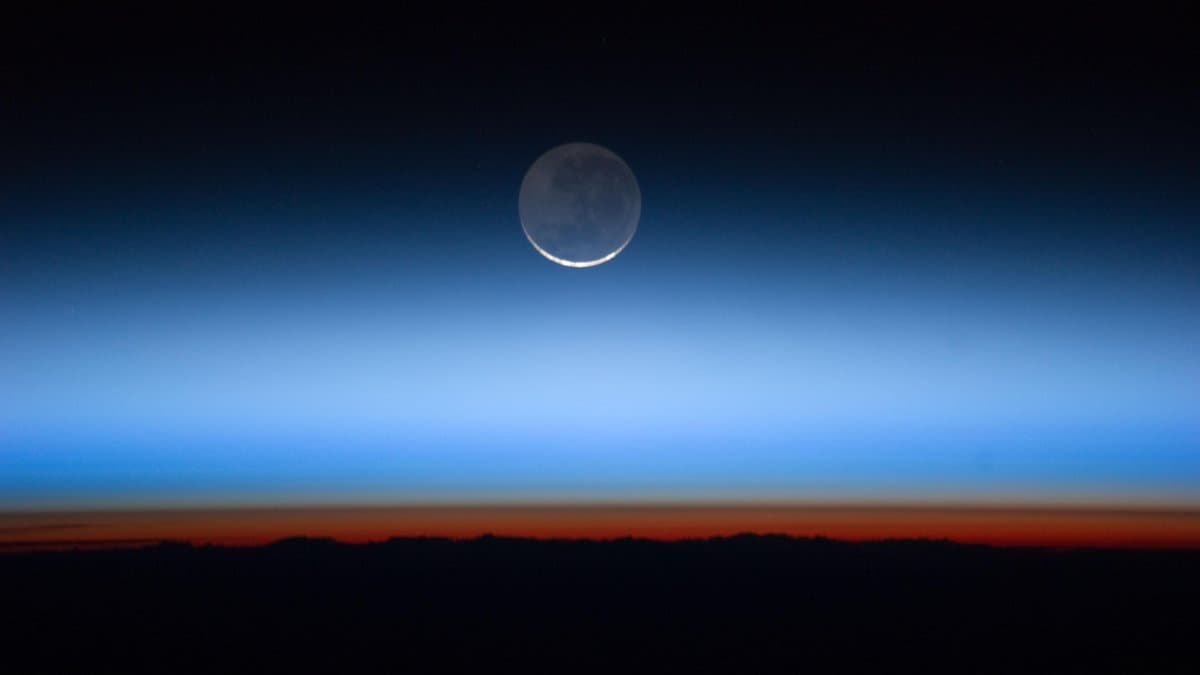
About 40% of the faint aerosol haze in the lower stratosphere is made of organic particles that begin as gases given off by plants at ground level, according to a study published Sept. 25 in Nature Geoscience. The authors report that monsoon systems are the route. Rising air over South America, central Africa, Indonesia–Australia and southern Asia carries the material from near the surface up into the lower stratosphere.
The study states that particles at that altitude disturb the planet's balance of sunlight and its chemistry, and that the abundance, composition and origins of the background layer remain poorly understood. This background aerosol layer persists in the stratosphere when no volcano has erupted and no large wildfire has burned.
The analysis combines measurements from nine airborne field campaigns with a global aerosol climate model. Kai Qie of the Chinese Academy of Sciences' Institute of Atmospheric Physics in Beijing led the work, with Pengfei Yu of Jinan University in Guangzhou as senior author and co-authors at the NSF National Center for Atmospheric Research, the National Oceanic and Atmospheric Administration and the University of Colorado Boulder.
The team puts the flow of plant-derived organic aerosol from the troposphere into the stratosphere at 0.42 to 0.72 teragrams a year; a teragram is a million metric tons. That is 5% to 90% larger than the average rate at which volcanic eruptions injected aerosol into the stratosphere over the past two decades. The team describes the monsoon pathways as previously underappreciated.
Measurements from the campaigns are held in public archives, and the model output and source data behind the paper have been posted publicly.
Sources
- Nature GeosciencePeer-reviewed