Warming Is Projected to Steer Heavy Rains Toward Asia's Cities
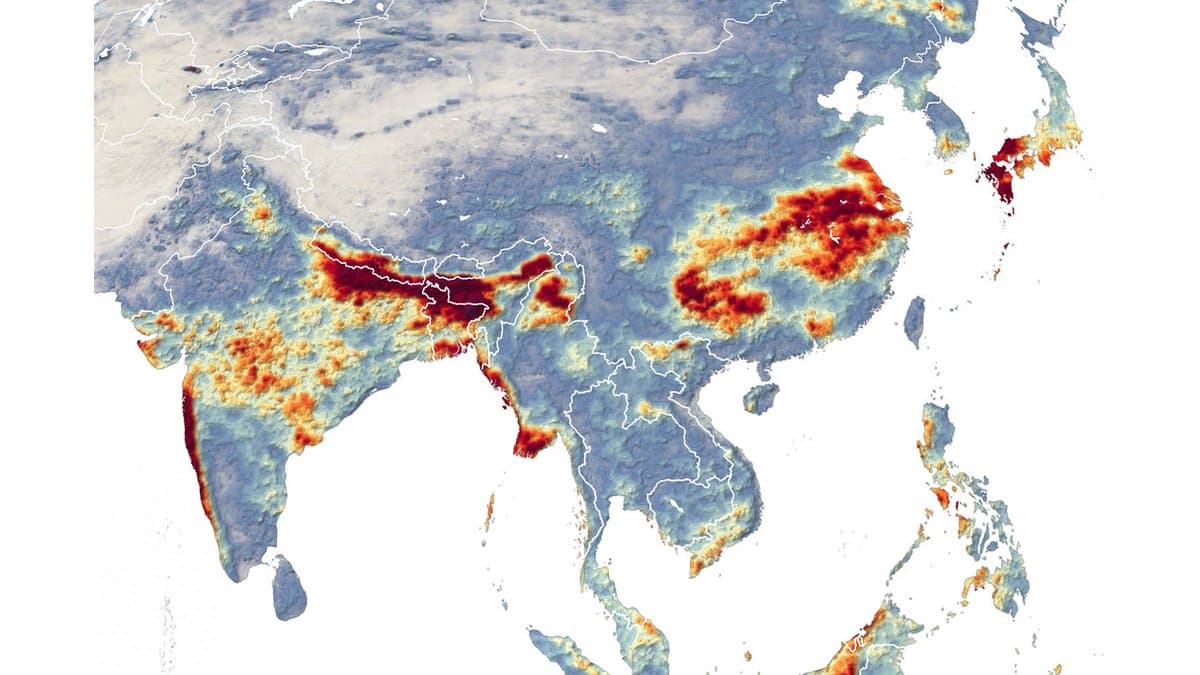
Warming is projected to divert atmospheric rivers, bands of airborne water vapor, away from lower latitudes and toward densely populated parts of Asia, according to a multi-model study published Sept. 26 in Communications Earth & Environment. In the model ensemble, the number of people exposed to the extreme rain these systems bring increases across 58% of the world's land area where atmospheric rivers occur.
The paper says its findings point to the urgency of adaptation measures against atmospheric river hazards in those regions over the coming decades. The steepest increases in the projection fall on urban areas of northern China, India and Bangladesh, where exposure to this kind of rain rises by 24–59%.
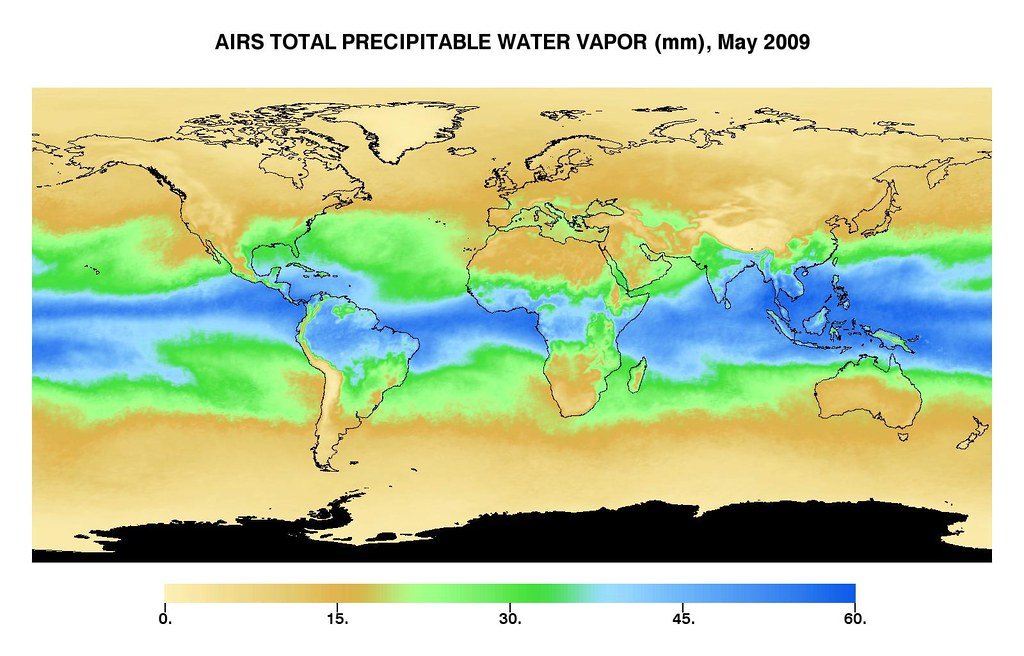
Ju Liang of China Agricultural University and colleagues separate two competing effects. In the projection, shifts in atmospheric circulation hold atmospheric rivers back at lower latitudes in the near future, while the extra moisture a warmer atmosphere carries strengthens them over subtropical and midlatitude land. The authors relate that pattern to moisture being steered by a subtropical high-pressure belt that extends farther west than at present.
They describe their framework as the largest ensemble of high-resolution global climate models yet used for atmospheric river projection, run using several different methods to identify the systems in the model output.
The study was funded by China's National Key R&D Program and China Agricultural University's 2115 Talent Development Program. It is open access, and the journal has posted the accepted version ahead of a final edited text.
Sources
- Communications Earth & EnvironmentPeer-reviewed