As Grasslands Dry out, One Group of Soil Microbes Becomes More Diverse, Not Less
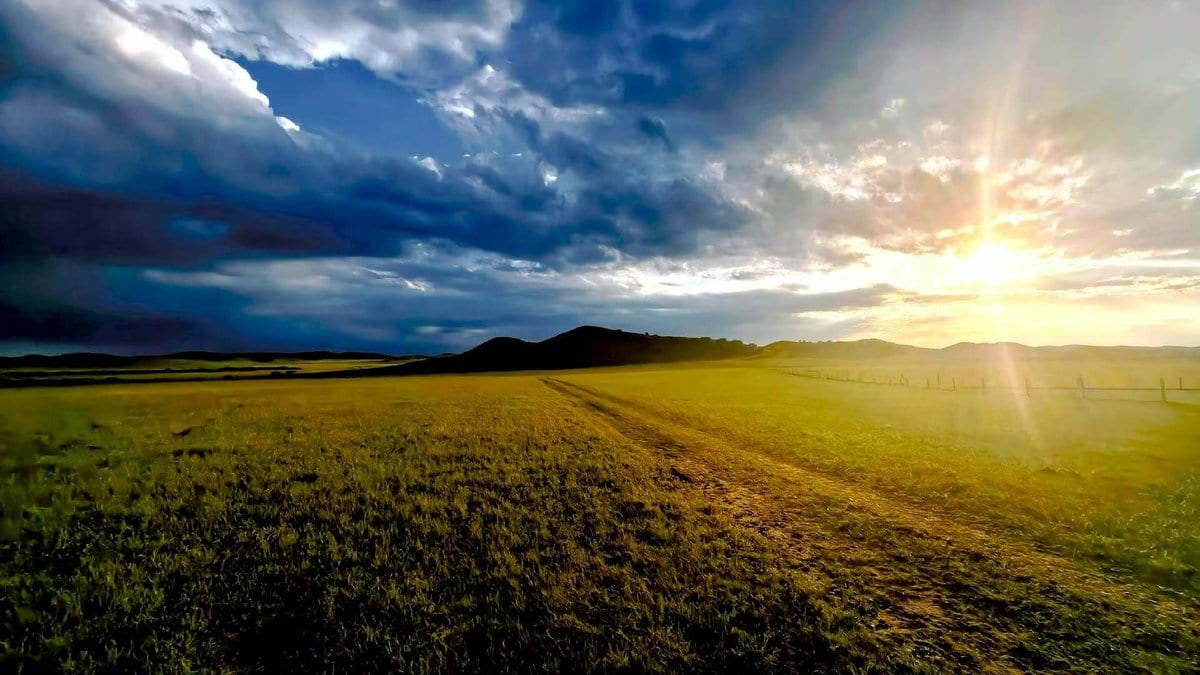
A 4,000-km field survey of the arid and semi-arid grasslands of northern China reports that plant and soil-microbe diversity do not thin out smoothly as the land gets drier. Instead the survey finds a sequence of dryness thresholds. Past them, the diversity of plants, bacteria and fungi generally falls. The diversity of archaea, a separate group of microbes, rises. Researchers at the Chinese Academy of Sciences published the result Oct. 3, 2026, in Communications Earth & Environment.
A threshold here is a point on the dryness gradient where the pattern changes rather than a steady slide. The authors say it had not been clear how plant and soil microbial diversity move together along aridity gradients, and present the survey as a measurement of how that coupling shifts as grassland dries, which they argue bears on how much disturbance these grasslands can absorb.
The team reports that soil conditions, plant diversity and microbial diversity each cross thresholds in sequence along the gradient. Salt in the soil tracks the same split: the negative effect of soil salt on plant, bacterial and fungal diversity grows stronger with aridity, while salt's association with archaeal species diversity grows more positive.
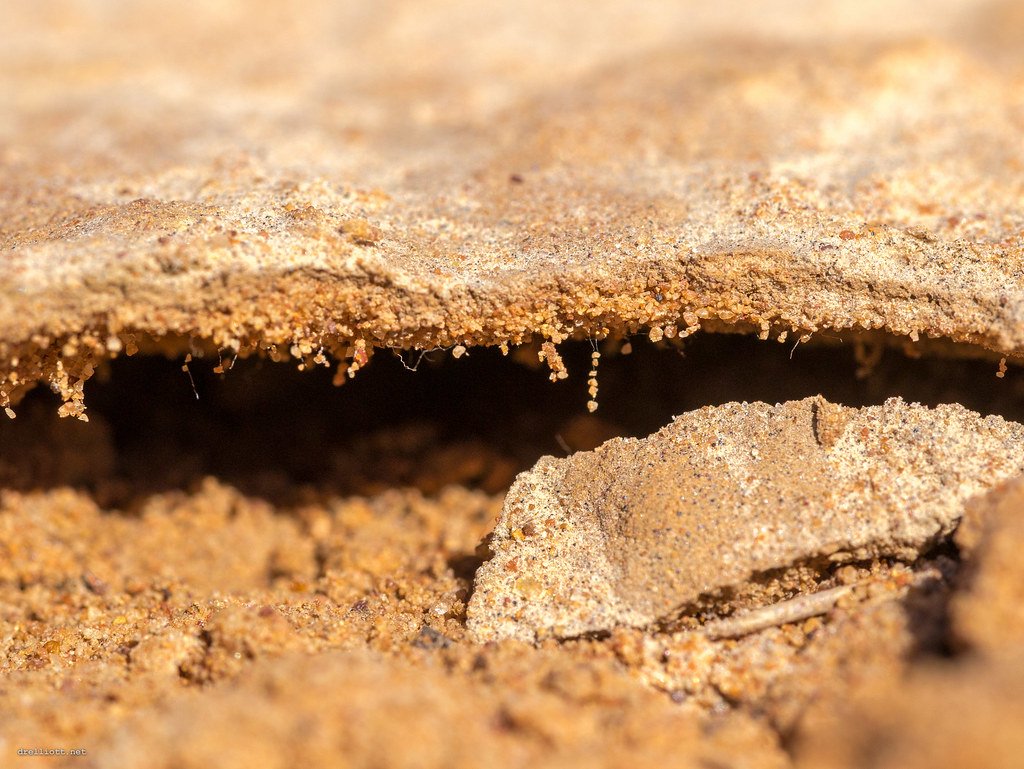
The link between plants and microbes comes apart selectively. Plant-bacteria and plant-fungi diversity relationships strengthen in drier regions, while the plant-archaea relationship decouples. The authors read this as aridity working as an environmental filter that favors stress-tolerant species and rebuilds plant-microbe coupling group by group, rather than thinning soil life across the board.
Congwen Wang led the survey and Yingxin Huang is its senior author. Both are at the Northeast Institute of Geography and Agroecology, Chinese Academy of Sciences, in Changchun. The Chinese Academy of Sciences, the National Natural Science Foundation of China and a Jilin provincial foundation funded the work, which is open access under a CC BY 4.0 license. The journal has posted the peer-reviewed accepted version ahead of the final version of record.
Sources
- Communications Earth & EnvironmentPeer-reviewed