In the Amazon, the Hottest Days Are Warming More Than Twice as Fast as Average Ones
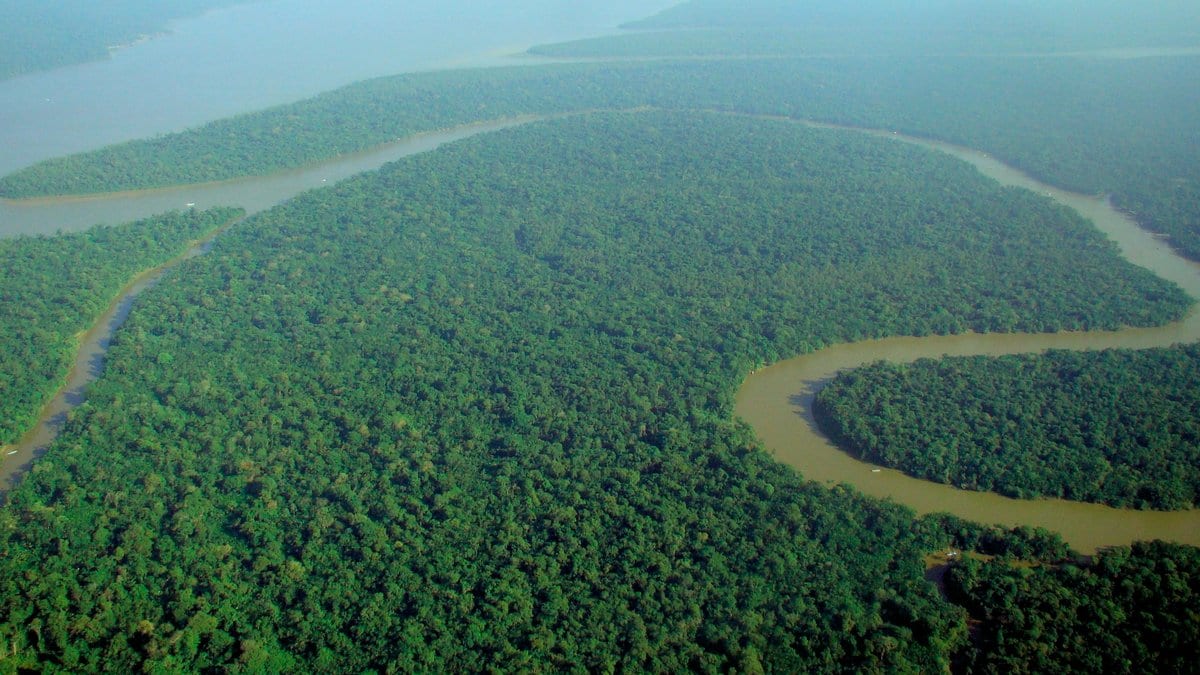
The hottest days of the Amazon dry season are warming more than twice as fast as the region's average temperature, a research team led by Jos Barlow of Lancaster University reported on Sept. 10, 2026, in the journal Communications Earth & Environment.
Barlow and colleagues say Amazonia has lacked a basin-wide account of how its climate extremes have shifted, within seasons and across the year, and that their analysis is meant to supply one. Their recommendation is that adaptation to changes this fast has to include preventing the deforestation and forest disturbance that amplify the risks.
Across 43 years of records, from 1981 to 2023, the daily high temperature reached on the hottest 5% of days in the driest part of the year rose by 0.49 °C per decade, the study reports. The central trend in mean temperature for the year rose by 0.21 °C per decade over the same period. Extremes are pulling away from the average rather than moving with it.
The split is widest over one large block of forest. In more than 700,000 square kilometers of central and northern Amazonia, dry-season heat extremes rose by at least 0.75 °C per decade, which works out to at least 3.22 °C across the full record. Measures of water stress that track with temperature are rising faster than their central trends as well.
The assessment is built on ERA5-Land, a reconstruction of past weather produced by the European Centre for Medium-Range Weather Forecasts, combined with satellite rainfall estimates. It covers the whole Amazon rather than the individual heat waves and droughts that earlier work has tracked.
The paper is open access under a Creative Commons license, and the work was funded by the BNP Paribas Foundation.
Sources
- www.nature.comPeer-reviewed