Farmers Who Joined India's Tree Programs Planted Nearly Twice as Many Trees
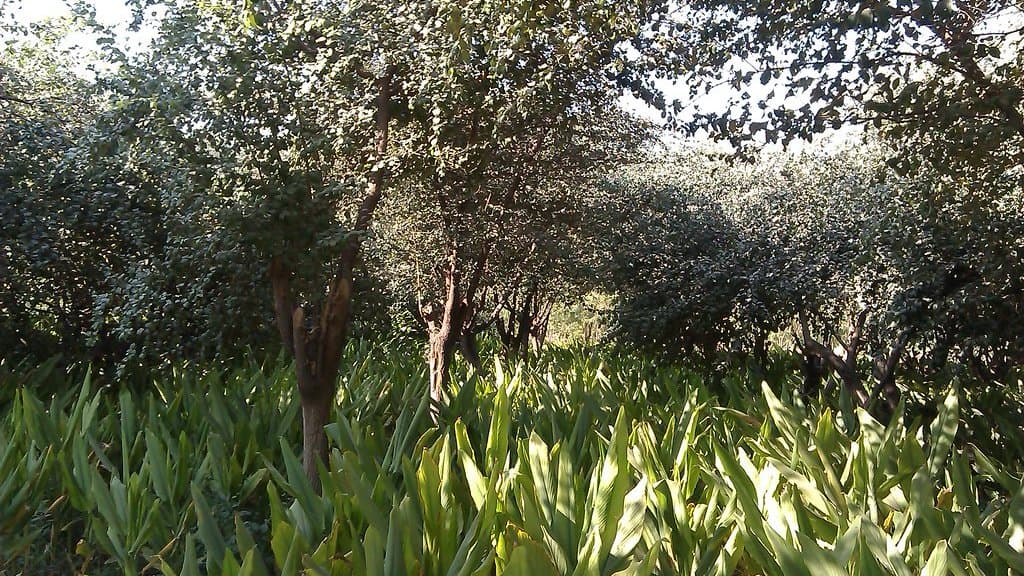
Farmers in the Indian state of Madhya Pradesh who enrolled in government-supported agroforestry programs planted 89% more commercial trees than those who did not, according to a peer-reviewed, open-access study published Sept. 26 in Communications Earth & Environment.
Agroforestry means growing trees alongside crops or livestock on the same land. The authors describe it as a way to raise and diversify farm incomes and as a promising natural climate solution, and their evaluation tested whether the programs Madhya Pradesh already runs had changed what smallholders grow.
Chandan Singha of Hindu College, University of Delhi; senior author Priya Shyamsundar of The Nature Conservancy; and colleagues combined a survey of 870 farm households across 59 villages with geographic data on the conditions that affect where trees grow. They report that government support raised farmer involvement in commercial tree cultivation by 19%, that participants grew 71% more trees per hectare and that the mix shifted toward trees grown for timber. Because enrolled farmers were compared with unenrolled ones rather than randomly assigned, these effects remain estimates.
Knowing about a program was not enough on its own. Farmers who were aware of the government programs but did not join them did not expand their tree growing.
Among farmers with no exposure to the programs, the strongest predictors of tree growing were rainfall and temperature, the ecological region, the local jurisdiction and the size of a household's landholding.
The researchers note that their findings "highlight the efficacy of public investments in agroforestry and provide justification for their continued support." The Nature Conservancy funded the work with internal funds, and four of its six authors work for the organization or its Indian affiliate. The journal published the paper as a citable accepted manuscript ahead of the final version of record.
Sources
- Communications Earth & EnvironmentPeer-reviewed
