Sony's Japanese Internet Provider Says More Than 2 Million So-Net Records Leaked
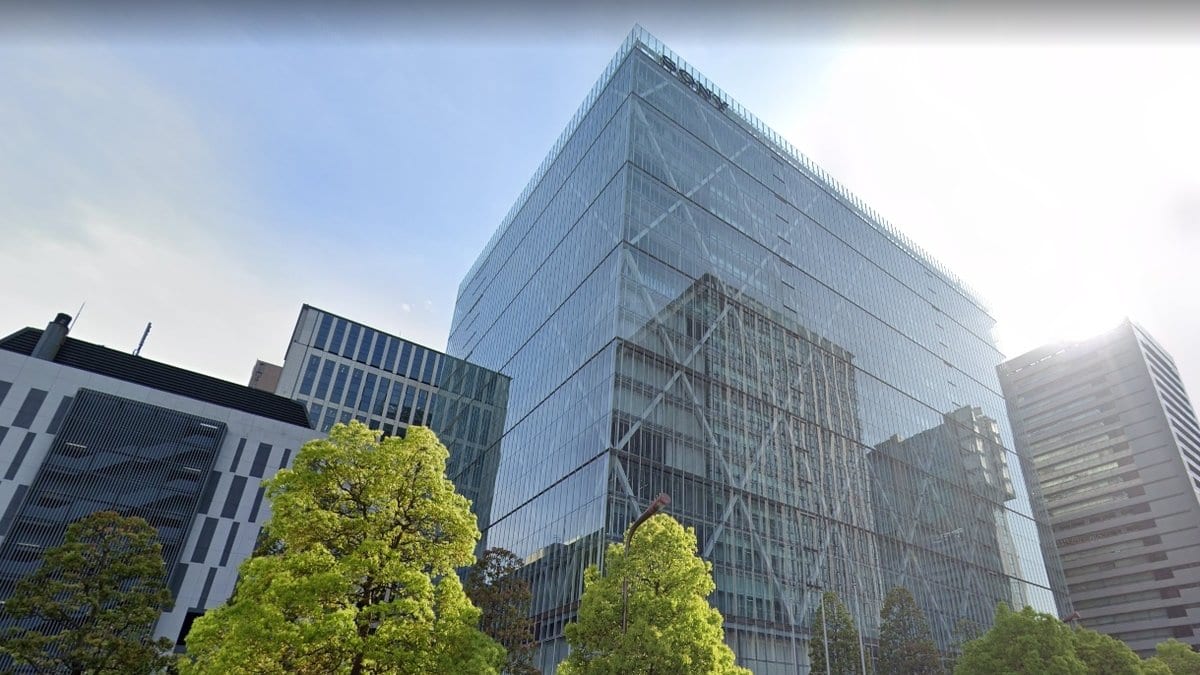
Sony Network Communications says an outside party reached the member database behind its So-net internet service in Japan, and that the breach exposed 2,141,986 So-net member records and 443,495 plala records.
In a notice published Oct. 27, 2026, the company lists the leaked fields as names, phone numbers, email addresses, user IDs, dates of birth, gender and internet connection IDs, with no member-account passwords among them. Affected customers are being contacted individually. The second count covers S Course members of plala, an NTT Docomo internet service that Sony Network Communications operates.
The disclosure dates the intrusion to Oct. 19, 2026, and says the access was confirmed on Oct. 23, 2026, when the server involved was shut down and traffic from the source was cut off. An investigation the next day established which fields had leaked and how many records.
The notice also records email addresses and their passwords leaking from four of the company's mail services, among them the paid A-Box additional-mailbox service, Sonet VAIO Mail and PostPet mail accounts. Those passwords were reset the same day, and customers whose addresses are affected have to set a new one before they can use the address again. Passwords for the free basic So-net mailbox were not affected.
The company reports 16 leaked bank account records, each carrying the financial institution, branch, account number and account holder's name, and says it holds no account PINs. None of those records belong to plala members. No credit card information appears in any category, and no leak has been confirmed from the company's other services, including NURO.
Sony Network Communications gives the cause as unauthorized access by a third party, and says that it is still under investigation and that it has reported the case to Japan's Personal Information Protection Commission. No secondary harm had been confirmed as of the notice. The company warns that the leaked information could be used in suspicious approaches to members, and asks them not to respond to such email, text messages or phone calls, and not to open links or attached files.