FDA Clears an Alzheimer's Blood Test for Use in Family Doctors' Offices
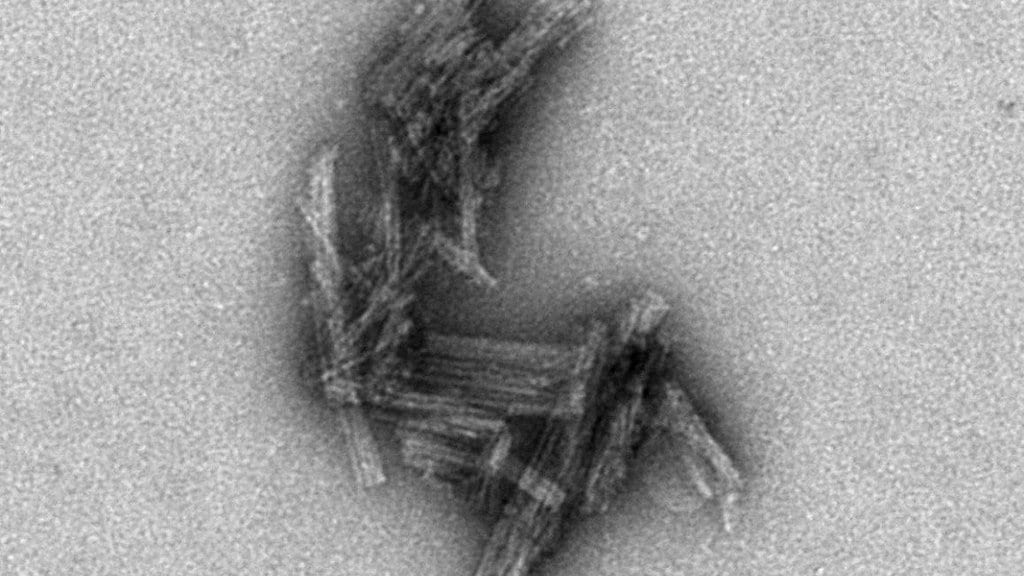
The U.S. Food and Drug Administration has cleared a Roche blood test intended to help doctors in primary care, not only specialists, check whether a patient's memory problems are likely to involve the amyloid protein buildup associated with Alzheimer's disease. Roche announced the clearance of its Elecsys Phospho-Tau (217P) Plasma test, developed with Eli Lilly, from Basel on Aug. 24. The FDA has published no announcement of its own.
The cleared use is narrow, and the company states it: the test aids in identifying amyloid pathology in people 55 years and older who have signs, symptoms or complaints of cognitive decline. It is not a diagnosis of Alzheimer's disease. Roche's release says it is not intended as a stand-alone test, that results should be read alongside other diagnostic tools and clinical information, and that the assay's safety and effectiveness have not been established for predicting whether someone will develop dementia or for monitoring treatment.
The test returns one of three result categories, as positive, intermediate or negative, that indicating how likely amyloid pathology is, according to Roche. The company says it is "the first and only FDA-cleared, single-biomarker blood test" that supports both ruling amyloid in and ruling it out, using the same validated cutoffs in primary and specialty care. That is Roche's characterization of its own product; no independent evaluation of the assay was located.
Roche says the test showed high agreement with amyloid PET brain imaging in people 55 and older with cognitive symptoms. The release gives no figures for that agreement and cites it to its own reference list.
The assay is designed to run on the more than 4,500 Roche cobas laboratory instruments already installed in the United States, the company says, so laboratories would not need new equipment to offer it.
Roche cites published estimates that about 75% of people living with dementia remain undiagnosed. The established ways to assess amyloid, PET brain imaging and testing of cerebrospinal fluid, may be costly, invasive and hard to access outside specialty centers, the company says.
Sources
Medical Disclaimer: This content is provided for general informational and educational purposes only. It is not medical advice and should not be used as a substitute for professional medical advice, diagnosis, or treatment. Always consult a qualified healthcare professional regarding any medical condition, concern, symptom, or treatment decision.