Five Million Robots Now Work in the World's Factories, Industry Group Says
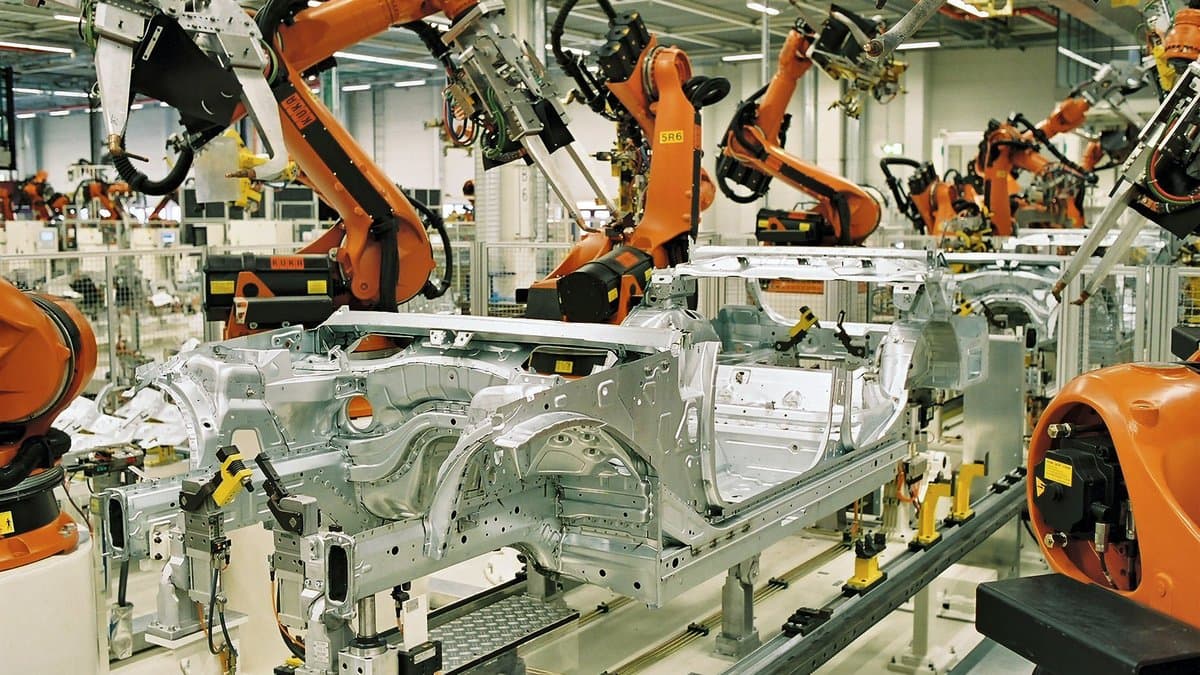
The International Federation of Robotics said on Sept. 24 that the number of industrial robots installed and working in the world's factories reached 5 million in 2025. On the trade association's own count, factories installed more than 600,000 new machines over the year, an 11% rise in annual installations.
That total counts machines in service rather than one year's sales, and the federation publishes it each year in its World Robotics report. "The new mark of five million robots operational in factories worldwide is more than double the number seven years ago," said Jane Heffner, president of the federation, in the release announcing this year's edition.
Most of the year's new machines went to Asia. The growth was not even. The federation counted 354,000 installations in China, 59% of the global total. Installations in Japan fell 19%, and the federation reports declines in Germany, Italy, France and Spain, the largest European markets according to its figures. It attributes the strongest growth to Asia, followed by the Americas, with Europe moving more slowly.
The federation expects the growth to continue, forecasting 655,000 installations in 2026. It credits the outlook to companies relocating manufacturing capacity and to labor shortages in high-wage economies. The federation also says progress in artificial intelligence, machine vision and sensing is widening the range of jobs a robot can do.