FDA Clears a Blood Test to Help Diagnose Alzheimer's in Adults as Young as 40
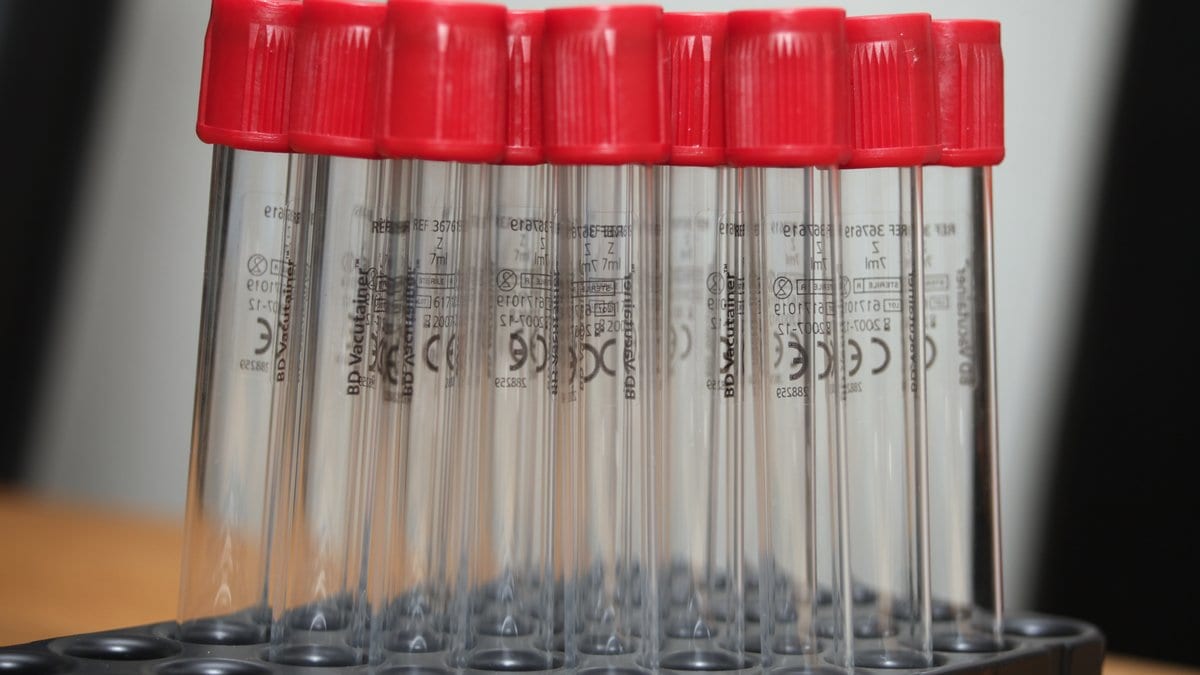
The U.S. Food and Drug Administration has cleared PrecivityAD2, a blood test that helps identify the amyloid plaques associated with Alzheimer's disease, its maker C2N Diagnostics said in a release dated Aug. 20.
Per C2N's release, the cleared test is indicated for adults aged 40 and older who show signs or symptoms of cognitive impairment and are being evaluated for Alzheimer's or other cognitive decline. The company says it is meant to be used alongside a clinical assessment and "is not intended as a screening or stand-alone diagnostic test."
The test uses high-resolution mass spectrometry, a method that weighs molecules very precisely, to measure ratios of amyloid-beta and tau proteins in blood. C2N says those ratios feed a proprietary algorithm that returns a score from 0 to 100. Washington University School of Medicine in St. Louis, where the underlying technology was invented, says a blood-based option can spare patients the spinal taps and brain scans now used to confirm amyloid.
The performance figures are the developer's own. C2N says a validation study of 1,142 people with signs or symptoms of cognitive decline gave a 97.6% positive predictive value for a positive result and a 93.1% negative predictive value for a negative one, judged against amyloid PET scans or spinal fluid testing. A third result category, which C2N labels "Likely Positive," occurred in 17.3% of subjects and carried a 77.3% positive predictive value. WashU Medicine's release says earlier studies put the test's accuracy at more than 90%.
Clinicians could already order PrecivityAD2 under clinical laboratory rules. WashU Medicine says clearance lets the test be marketed more broadly to clinicians and health systems, and can help with insurance coverage. C2N says the cleared version is expected later this year and its existing laboratory version remains available.
The underlying technology came from a WashU Medicine team co-led by Randall J. Bateman and David M. Holtzman, who co-founded C2N in 2007.
Sources

Medical Disclaimer: This content is provided for general informational and educational purposes only. It is not medical advice and should not be used as a substitute for professional medical advice, diagnosis, or treatment. Always consult a qualified healthcare professional regarding any medical condition, concern, symptom, or treatment decision.