Anthropic Says Claude Found an Enzyme System in Viruses. No One Knows What It Does.
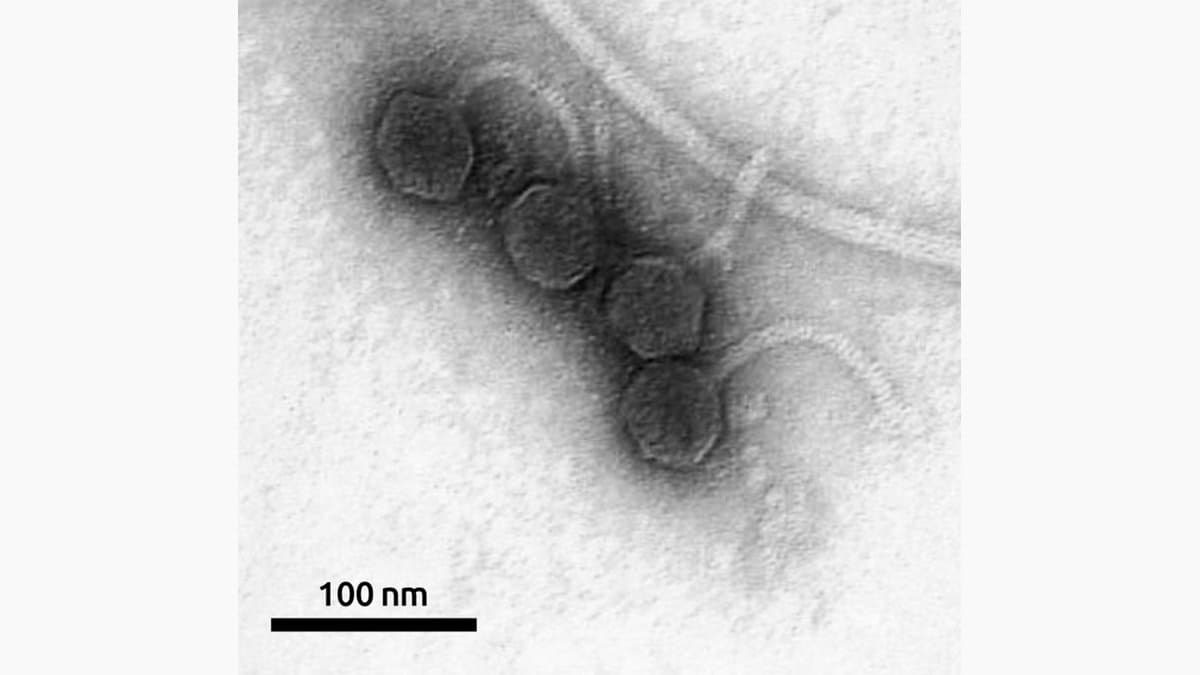
Anthropic said on Sept. 23 that it has opened a life sciences research group and laboratory, and published a first result from it: an enzyme system found in viruses that infect bacteria, picked out of DNA sequence data by its Claude models. What the system does is not known.
The company says it formed the group in spring 2026 to see whether general AI models can speed up discoveries of the kind that have historically begun with a scientist noticing something odd in a genome, and that all the laboratory work is done by human scientists.
Anthropic's announcement says its scientists gave Claude a prompt to comb a large database of DNA sequences for reverse transcriptases, enzymes that copy RNA into DNA. Roughly 950 agents spent 21 hours and 210 million tokens on the search. They gathered more than 200,000 of those enzymes, picked out 3,500 candidate systems and narrowed them to the 20 judged most compelling, each written up as a report for human review.
One agent flagged one such gene in a jumbo phage, a virus that infects bacteria, sitting beside a long array of evenly spaced DNA repeats and a second gene of unknown function. Anthropic calls that combination array-associated reverse transcriptases, or ART, and describes the repeat layout as reminiscent of CRISPR, the bacterial defense system behind gene editing. The comparison rests on the layout, not on anything ART has been shown to do.
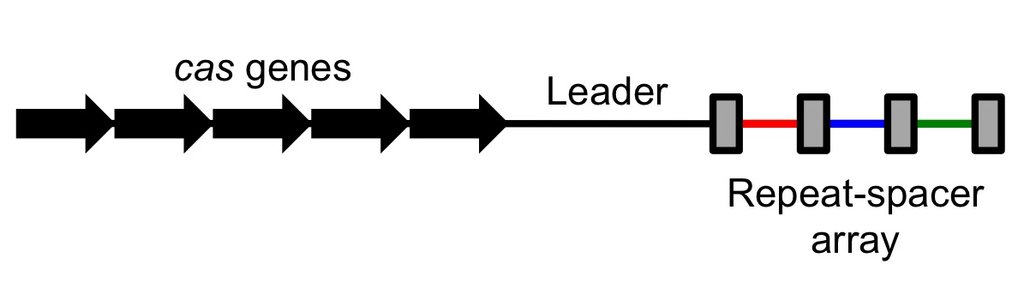
Anthropic says the enzyme itself was identified in earlier studies, and that Claude appears to be the first to notice the system's defining features together. Its first experiments show the repeat array is expressed as a set of distinct short RNAs.
Feng Zhang, an MIT and Broad Institute professor and a pioneer of CRISPR genome editing, is quoted in the announcement after reading it, calling the finding "genuinely intriguing" and saying it "merits further investigation."
Anthropic says the laboratory is in the Bay Area, works only at the lowest biosafety levels and does not handle pathogens that can infect humans.