When AI Agents Team up, and When the Smartest Ones Are Better off Alone

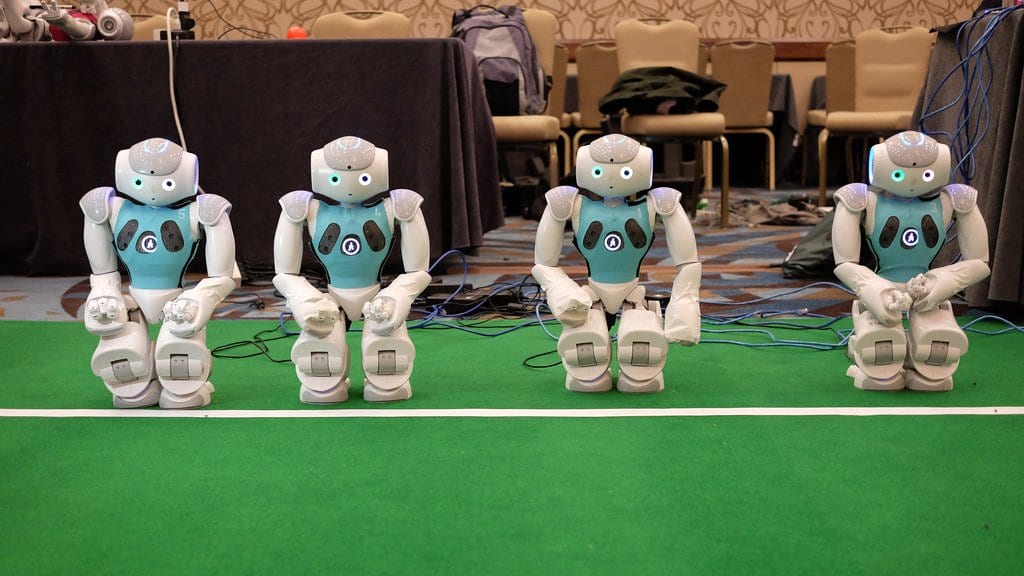
The pitch for AI agent teams is intuitive, which is part of why it sells so well. If one language model can draft an answer, surely two can catch each other's mistakes, and a whole committee of them (debating, critiquing, revising) should be better still. That picture underpins a wave of "multi-agent" products and demos promising that swarms of cooperating AIs will outperform any single model.
A new study published July 24 in Nature Machine Intelligence complicates the pitch. Its title says the quiet part out loud: capable language models can outgrow the benefits of collaboration. In plain terms, the more able a model already is, the less it gains from being made to work with copies of itself. In some cases it does worse than it would have alone.
The finding is less paradoxical than it first sounds. Collaboration helps when the participants make different mistakes and can correct one another. Put several weaker models together and that is often what happens: one catches an error another missed, and the group answer improves. But a strong model teamed with equally strong copies tends to share the same blind spots, so there is little to correct. Worse, the machinery of collaboration (passing messages back and forth, deferring to a peer, second-guessing a first answer) introduces its own failure modes. A confident, correct answer can get talked out of existence by a round of unnecessary debate.
If that holds up, it has direct consequences for how AI systems get built. Much of the current excitement treats "add more agents" as a reliable lever for better performance, the way one might add more servers to handle more traffic. The study suggests the lever runs the other way for the strongest models: collaboration is a tool with a specific use case, not a universal upgrade. The right question is not whether to use one agent or many, but which setup suits the task and the model you are actually running.
That is also where the researchers point toward something practical. Rather than leaving the choice to intuition, they frame it as a prediction problem: deciding in advance, for a given task, whether a collaborative setup or a single agent is the better bet. The upshot is a decision rule rather than a slogan: test the pairing, don't assume it. That matters because the multi-agent story has been sold with unusual confidence for something the evidence had barely tested. A careful, peer-reviewed look finds the truth is conditional: sometimes a team of agents is exactly right, and sometimes the smartest thing your smartest model can do is work alone. For anyone deciding where to point an engineering budget, that distinction is worth more than another swarm demo. The paper is available via its DOI.
Sources
- Nature Machine IntelligencePeer-reviewed