NASA Says Its Roman Telescope Has Fuel for at Least 22 Years of Science
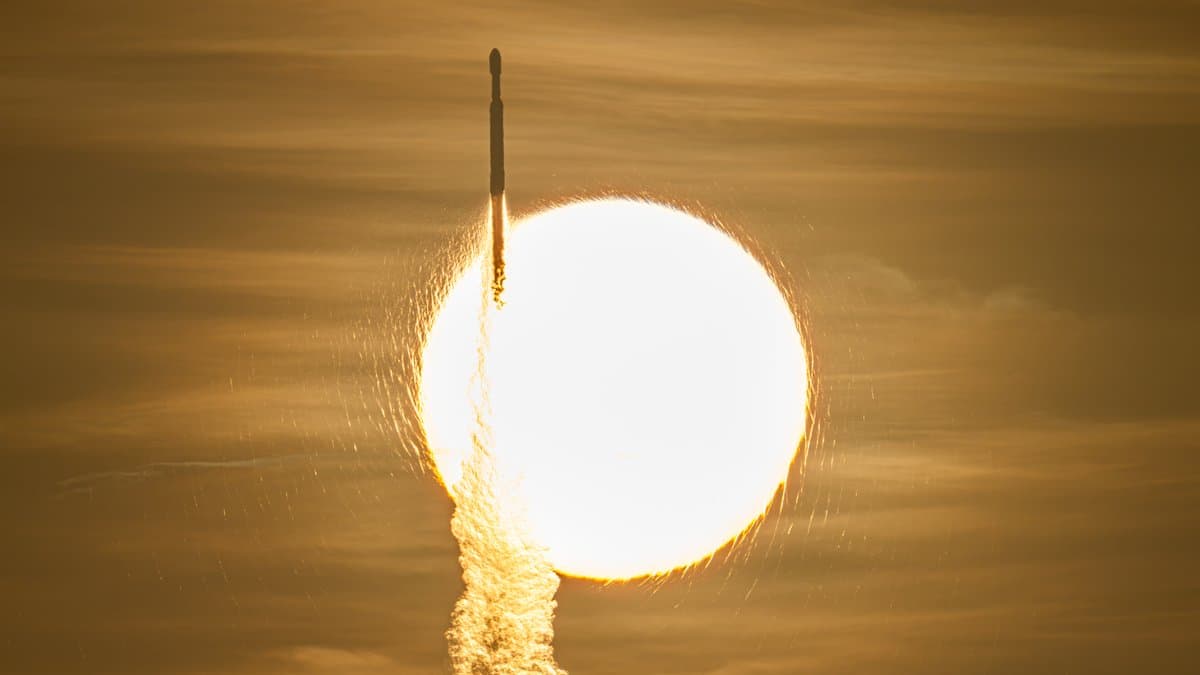
NASA says its Nancy Grace Roman Space Telescope is carrying enough propellant for at least 22 years of science operations, more than double the 10-year fuel budget the observatory was designed around. The agency published that projection Sept. 14, after analyzing the results of Roman's first course-correction burn, and it counts on two maneuvers the telescope has yet to perform.
Roman's surveys are meant to explore dark energy, dark matter and exoplanets, and fuel is the observatory's main consumable resource. NASA says any savings could enable additional years of observations beyond the design life.
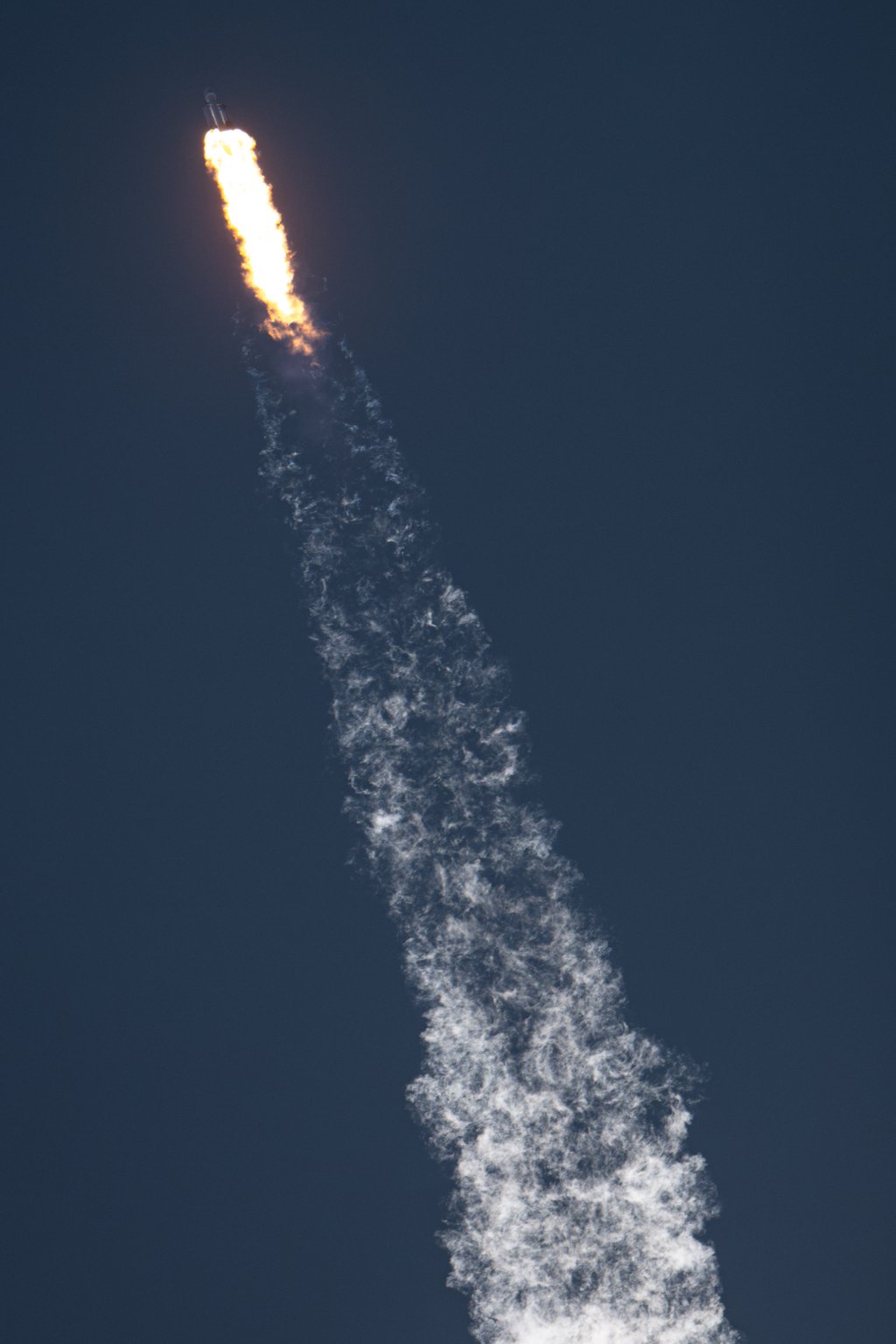
NASA's mission blog credits the margin to three savings, each worth roughly four years. The first came from the burn itself, carried out Aug. 31 to adjust Roman's path toward its final orbit: the maneuver ran at better than 99% accuracy and used about 40 pounds of propellant against the 441 pounds the team had set aside.
The second saving was loaded before liftoff. Alison Rao, the Roman propulsion lead at NASA's Goddard Space Flight Center, said the propellant budget is set against a conservative maximum mass so the mission will not come up short, and that because Roman turned out lighter than that, "we were able to fill the propellant tanks to their capacity."
The third saving has not happened yet. NASA says the second correction, planned for later in September, is expected to be small, and that both it and the insertion into Roman's final orbit at L2, a stable point far from Earth, should use less fuel than planned.
"As a result of exquisite planning by our orbital dynamics team, brilliant execution by the operations team, and a precise launch from SpaceX, Roman has fuel for at least 22 years of potential science operations," said Jamie Dunn, center director at NASA Goddard.
Roman is due to reach its final orbit in early December. Once there, it will need only periodic station-keeping burns, roughly every 28 days.