Many of Europe's Protected Areas Offer Big Animals No Easy Route to a Cooler Climate
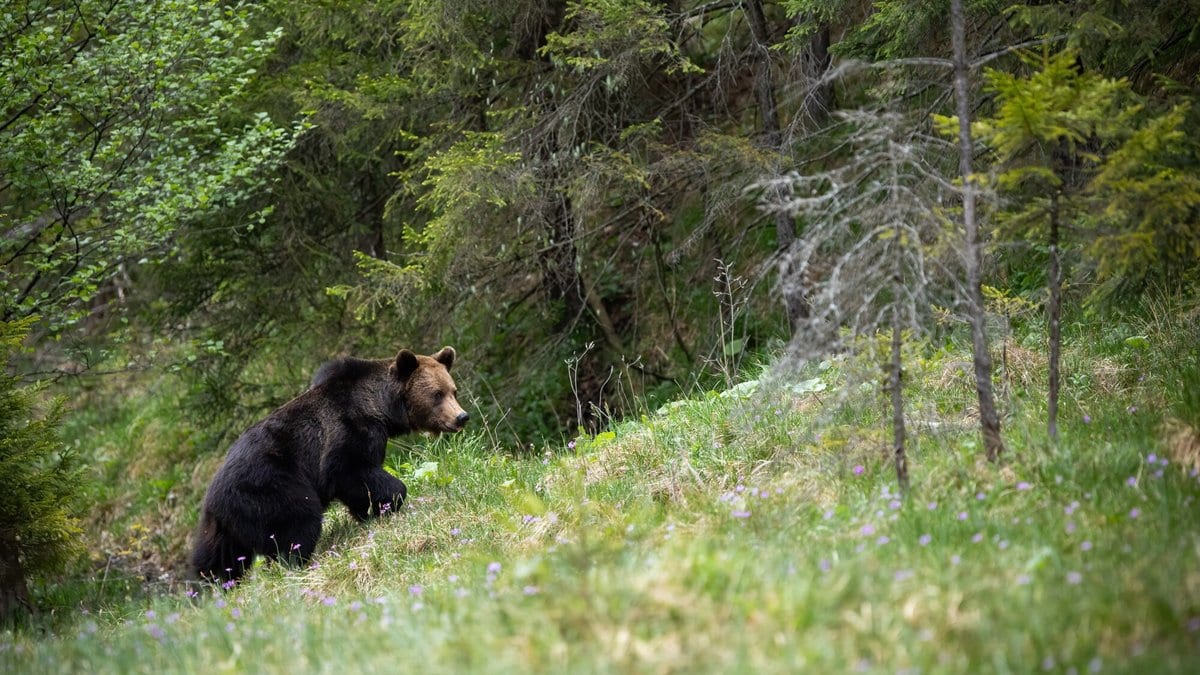
Researchers at the German Centre for Integrative Biodiversity Research (iDiv) in Leipzig have mapped Europe's protected areas against a harder test than the usual one: whether a large mammal living inside a reserve could physically reach a cooler climate as the region warms. Their finding: protection and the freedom to move often do not coincide.
The paper was published Oct. 21, 2026, in Conservation Letters, with Gavin Stark as first author and Henrique M. Pereira as senior author. The authors say their framework gives a spatial basis for deciding where to restore habitat and reconnect protected areas as the climate changes.

Assessments of a protected area usually measure exposure, meaning how much warming it will see. Stark and colleagues say that exposure on its own does not show whether an animal can get to a climate that suits it. Their framework combines three things for selected large land mammals: how quickly climate conditions shift across the map, how long a given place keeps the climate it has now, and how much energy an animal would burn crossing the ground in between. The authors report that once that energy cost is counted, the chance of following a shifting climate varies sharply from one part of Europe to another.
The authors flag small protected areas that keep their present climate only briefly. Those reserves leave little room to move inside, and they often sit in surroundings animals cannot cross easily. The paper reports widespread mismatches across the network between the places where the climate stays stable and the places animals can actually reach.
The paper is open access under a Creative Commons CC BY 4.0 license, and its publication record lists two European Innovation Council grants under Horizon Europe.
Sources
- Conservation LettersPeer-reviewed