Vaxcyte Says Its New Pneumococcal Vaccine Met Its Antibody Targets in a 4,047-Adult Trial
Vaxcyte said on Oct. 5, 2026, that its experimental pneumococcal vaccine met every main immune-response goal set for OPUS-1, a phase 3 trial that dosed 4,047 U.S. adults. The figures are the company's own topline data, and no regulator or independent group has reviewed them.
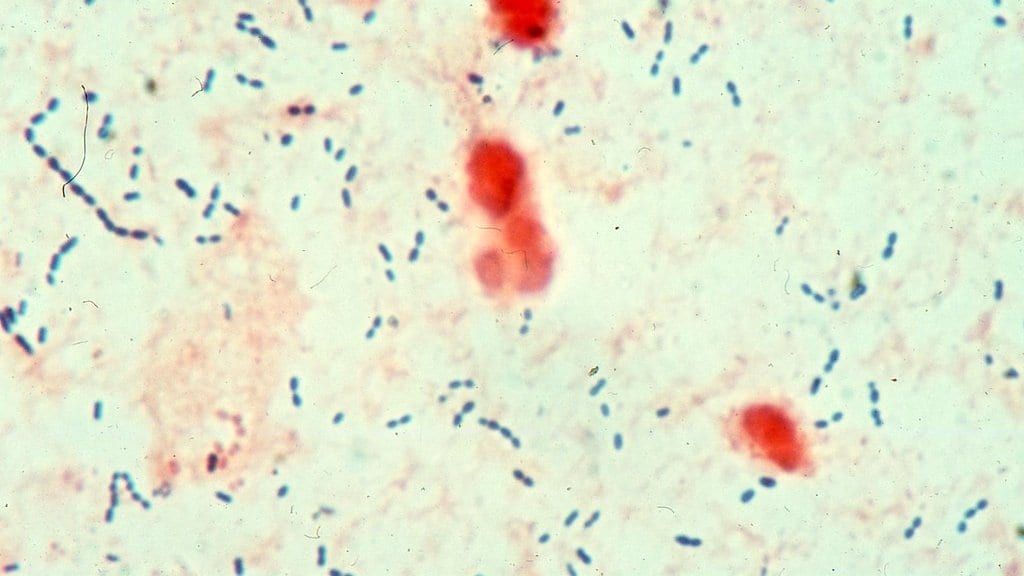
Vaxcyte says the candidate, VAX-31, is designed to prevent invasive pneumococcal disease and pneumococcal pneumonia by covering 31 types of Streptococcus pneumoniae in one shot, more than any licensed vaccine. In the United States, pneumococcal pneumonia results in about 225,000 adult hospitalizations a year, according to the company's release.
The trial measured an immune response, not illness. Its endpoints, called opsonophagocytic activity ratios, compare how well a vaccinated person's antibodies help immune cells kill the bacteria, in blood drawn a month after a single dose. It did not count cases of pneumonia, infection or death.
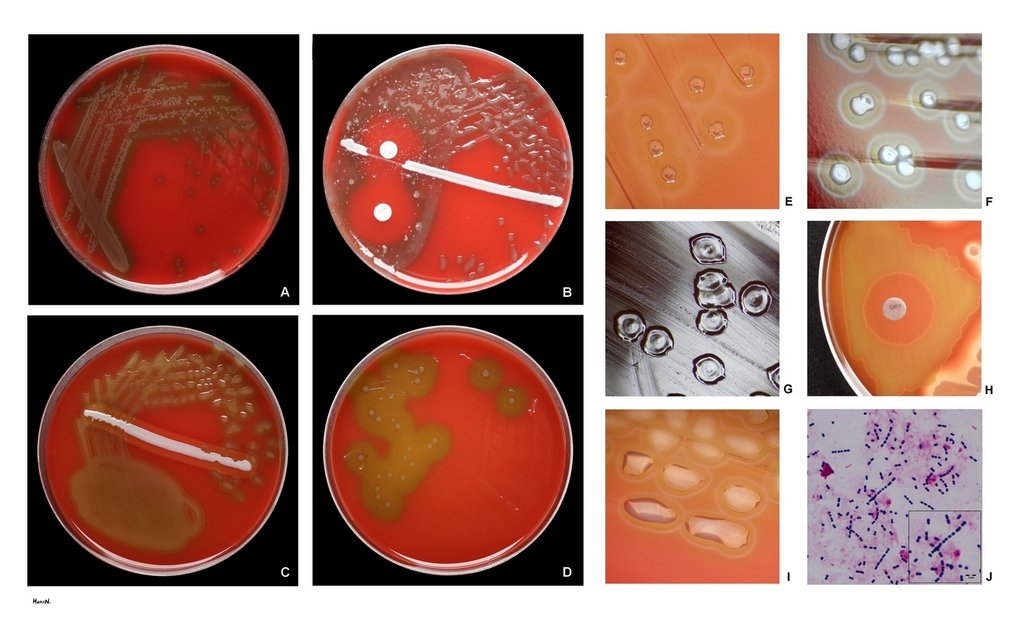
Pneumococcal vaccines each cover a fixed list of the bacterium's varieties, known as serotypes. The main test let a serotype qualify by matching either of two licensed vaccines, Prevnar 20 or Capvaxive, and on that basis Vaxcyte reported that all 28 serotypes VAX-31 shares with one or both of them cleared the bar. Vaxcyte also reported that the three serotypes VAX-31 alone carries, with one closely related variety, produced stronger responses than those vaccines.
Against each of those vaccines separately, two serotypes fell short. Vaxcyte reported that VAX-31 matched Prevnar 20 on every serotype they share and Capvaxive on 17 of 19, and that serotypes 3 and 12F missed the bar against Capvaxive, clearing only a looser threshold the trial had set as a secondary goal.
Vaxcyte said VAX-31 was well tolerated, with a safety profile similar to both licensed vaccines at every age studied, and that no serious adverse event was judged related to the vaccines. Safety is being followed for six months.
The company said it expects results from two further adult phase 3 trials in the first half of 2027, and that it plans to file a Biologics License Application with the U.S. Food and Drug Administration in the first half of 2028.
Sources

Medical Disclaimer: This content is provided for general informational and educational purposes only. It is not medical advice and should not be used as a substitute for professional medical advice, diagnosis, or treatment. Always consult a qualified healthcare professional regarding any medical condition, concern, symptom, or treatment decision.