Gut Bacteria Appear to Have Traveled With Humans out of Africa
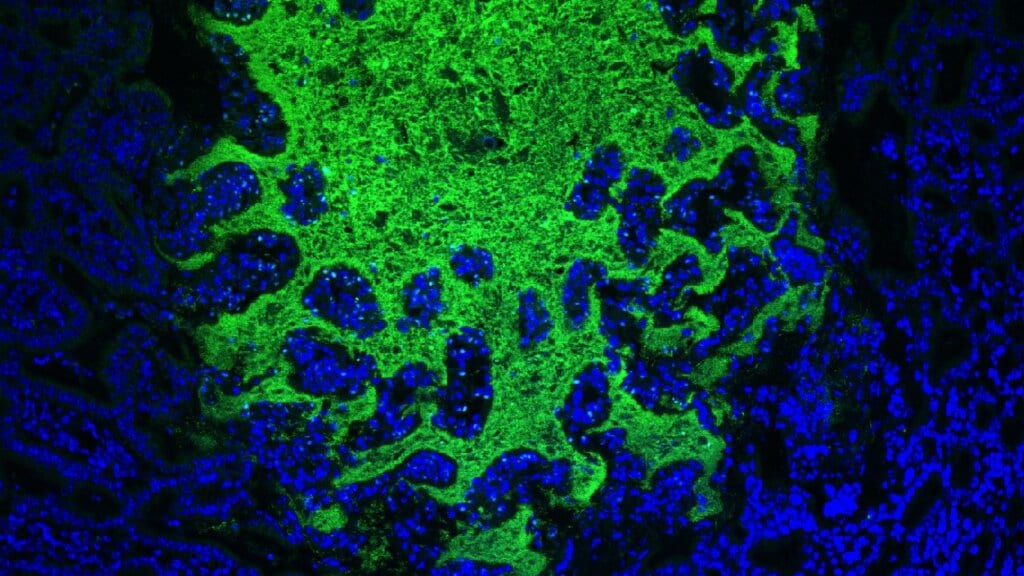
Stanford University researchers report that the Tsimane of Bolivia and the Hadza of Tanzania, two Indigenous peoples living on different continents, share 1,231 species of gut bacteria. Genetic analysis of 636 of those species places the parting of the microbial lineages near the time humans first spread out of Africa and later reached the Americas.
The team set out to determine which microbes have been long-term residents of the human gut. Most of the shared species are rare in or absent from the gut microbiomes of industrialized populations, and the paper, published on Oct. 7, 2026, in Nature, states that the consequences of losing them for human health remain uncertain.
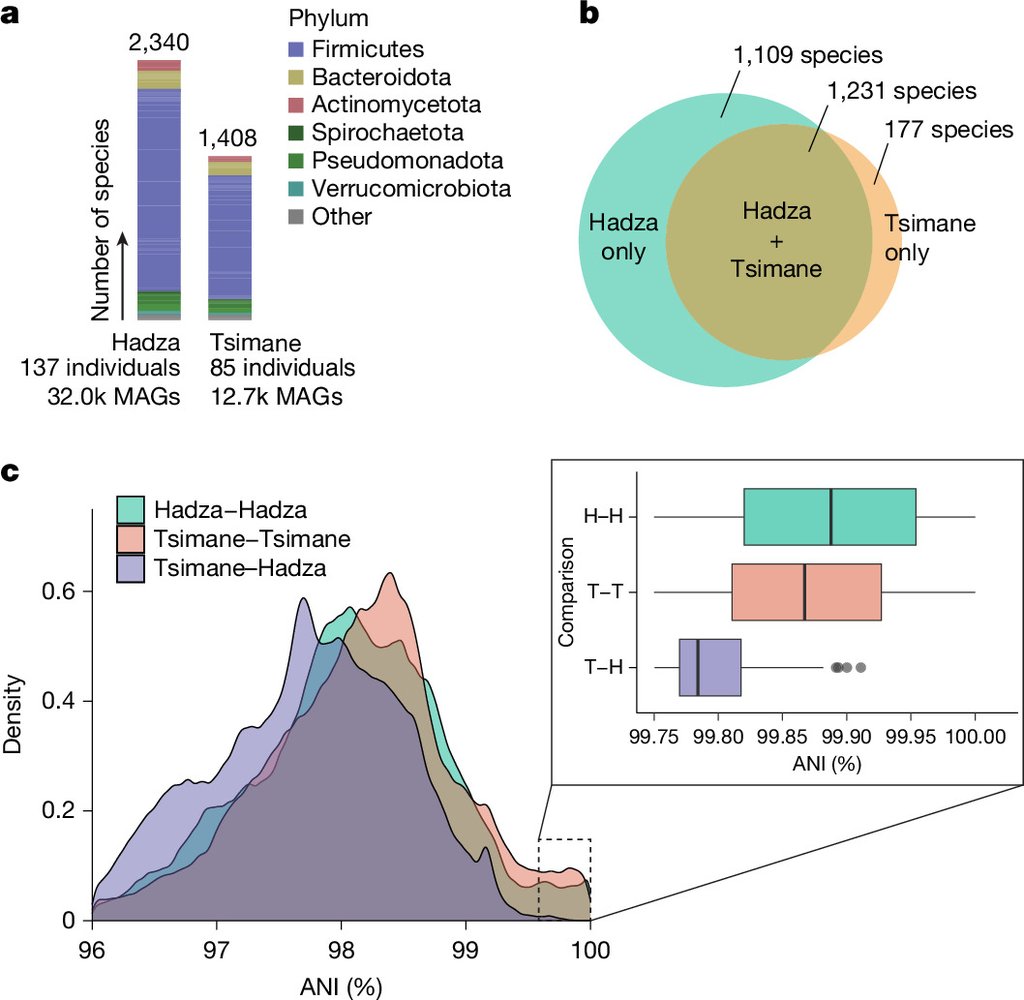
Matthew M. Carter, Justin L. Sonnenburg and colleagues did deep DNA sequencing of stool samples from 85 Tsimane adults and compared the bacterial genomes they recovered with a previously published set from Hadza volunteers. For the 636 species represented well enough in both groups, they compared patterns of variation in the bacterial DNA to estimate when the two sets of strains last traded genes. The median estimate was 17,090 years, with a standard error of 863 years.
Estimates from earlier work cited in the paper put the migration out of Africa at roughly 70,000 years ago and the arrival of people in the Americas at roughly 16,000 years ago. The authors say their microbial dates fall inside that window once the uncertainty in their dating method is allowed for. The same measurement on samples from Europe, Asia and North America gave far more recent splits, which the authors attribute to continuing exchange between industrialized countries. A second method, using a different genetic signal, gave split times in a similar range.
The Tsimane samples were collected with consent from the Gran Consejo Tsimane, the people's governing body, along with community leaders and participants, and individual-level data is held under restricted access. The paper describes both the Tsimane and the Hadza as contemporary populations, and says it is the genetic relationships among their gut bacteria, not their present-day lives, that carry the historical signal.
Sources
- NaturePeer-reviewed