A Blood Protein Survey in Sickle Cell Patients Points to Four Possible Drug Targets
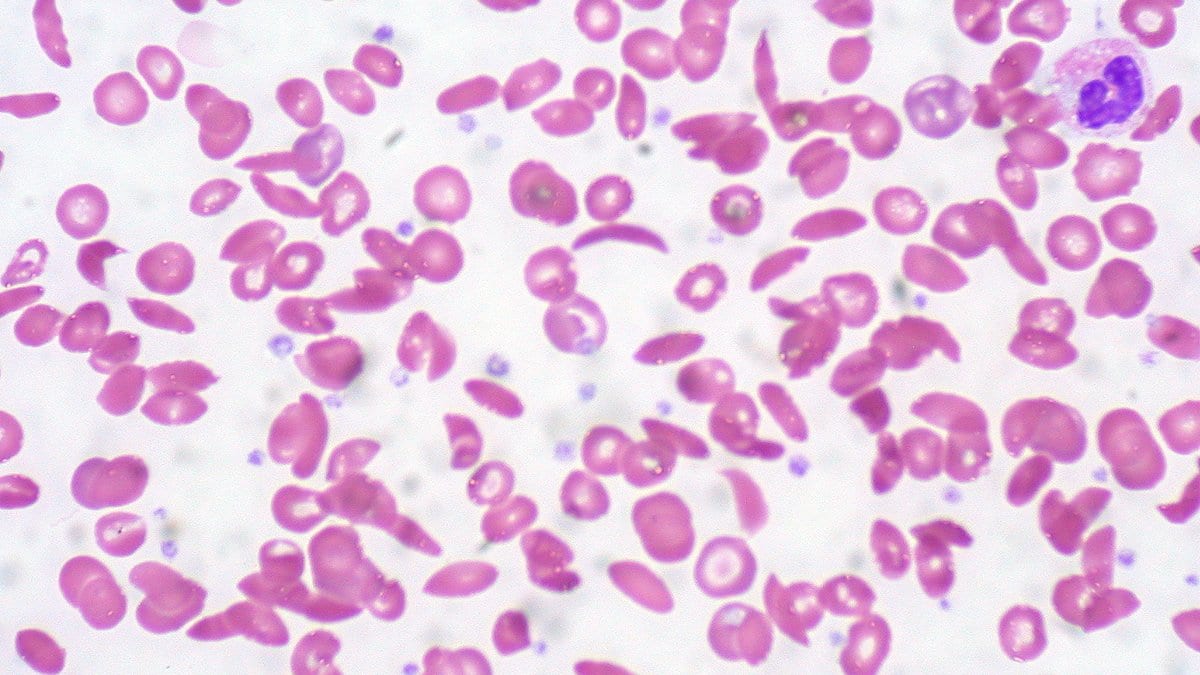
Researchers at the Université de Montréal and the Montreal Heart Institute measured the levels of 5,411 proteins in the blood plasma of 343 sickle cell disease patients, mapped 560 points in the genome where a common genetic difference shifts a protein's level, and singled out four proteins that may raise fetal hemoglobin. The work was published Nov. 16, 2026.
The authors say the aim is to find new drug targets. Sickle cell disease comes from mutations in a single gene, affects more than 7 million people worldwide and has few treatments: transplants and gene editing can cure it but are complex and expensive. Fetal hemoglobin, the form the body makes before birth, is one of the main modifiers of how severe the disease becomes, and hydroxyurea, the main drug used against it, works partly by raising it.
Cristian Groza, Guillaume Lettre and colleagues report in PLOS Genetics that 58 of the 560 associations had not been described before, mostly because the test they used covers proteins earlier panels left out. Every patient carried two copies of the sickle mutation, and none was on hydroxyurea when the blood was drawn.
The four candidates are ENPP5, LBP, PTX3 and ZP3. They come from Mendelian randomization, a method that uses inherited variants to test cause, applied to the protein results together with a separate genetic study of fetal hemoglobin levels in sickle cell patients. No protein was given to anyone. The authors call ENPP5 the most promising of the four, add that their sample size limits how firm the finding is, and write that the results will need checking in cell and animal experiments.
The genetic effects on protein levels were largely the same as in a cohort of Black adults without the disease. The exceptions included haptoglobin, which clears hemoglobin spilled by broken red blood cells, and there the team reads the difference as the disease itself changing the genetic signal.
Summary results are posted on the Montreal Heart Institute's human genetics page and the analysis scripts on Zenodo; the protein measurements are available from the institute on request.
Sources
- PLOS GeneticsPeer-reviewed

Medical Disclaimer: This content is provided for general informational and educational purposes only. It is not medical advice and should not be used as a substitute for professional medical advice, diagnosis, or treatment. Always consult a qualified healthcare professional regarding any medical condition, concern, symptom, or treatment decision.