Blood Samples Show Bird Flu Has Reached Greenland's Polar Bears
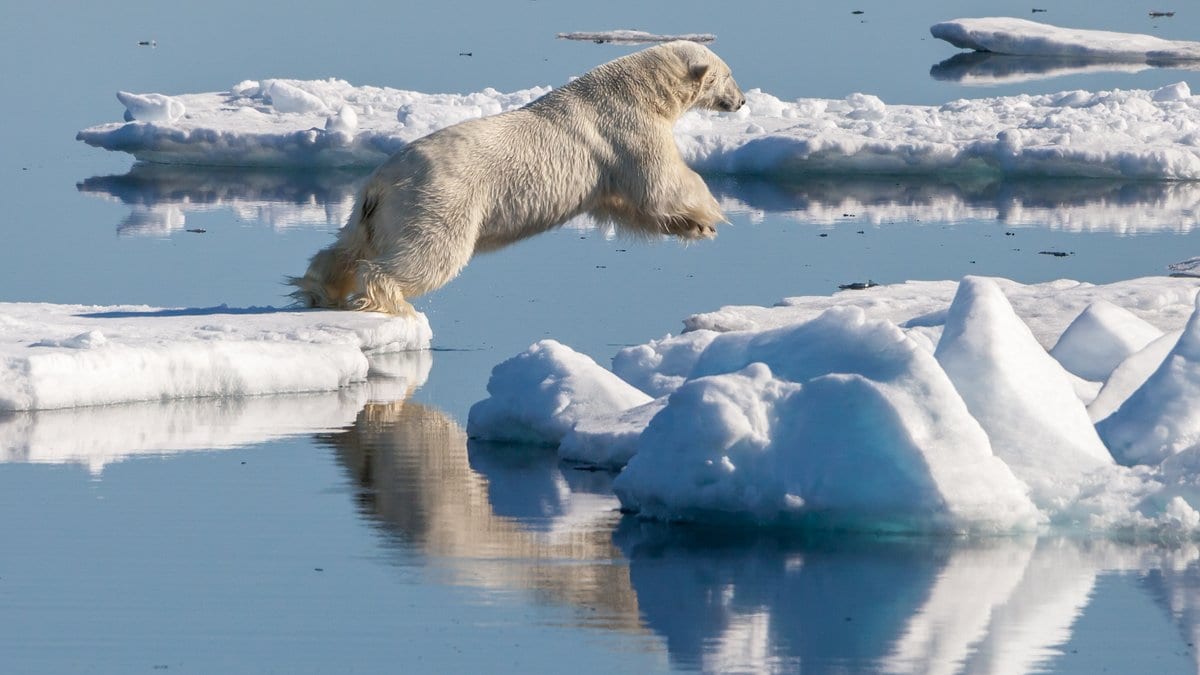
Polar bears in East Greenland carry antibodies to the highly pathogenic H5 bird flu now spreading through wild birds worldwide, and no sample taken before 2024 carried antibodies to any influenza A virus. The result was published Oct. 13, 2026, in Emerging Infectious Diseases, the journal of the U.S. Centers for Disease Control and Prevention.
Antibodies are evidence of past exposure rather than current infection. The research letter reads them as consistent with survival after exposure. The authors argue that more surveillance in the region could give early warning as the virus moves along bird migration routes, and that polar bears, which scavenge coastal nests, birds and marine mammals, would make useful sentinels.
Kayla J. Buhler of the University of Inland Norway and Cornell University, Christian Sonne of Aarhus University and colleagues screened 109 plasma samples, collected between 2016 and 2025 from healthy-looking bears taken during legal subsistence hunts near Scoresby Sound in collaboration with Indigenous hunters. Fourteen bears were sampled in each of the last two years: three tested positive for influenza A antibodies in 2024 and six in 2025.

A second test on the positive samples matched four of the 2025 bears to H5N1 viruses in clade 2.3.4.4b, a lineage that is always highly pathogenic. The authors note that antibodies to milder H5 viruses can also react in such tests, and that the four samples responded to that clade but not to another one tested alongside it.
The screen measured antibodies, not virus. Hunters reported no clinical signs in the bears, which, the authors say, suggests polar bears can recover from infection. They put the likely exposure in the previous summer and fall bird migration, since migratory birds are gone during the hunting season.
How the virus reaches the bears is unresolved. The authors say the most likely route is eating dead or infected birds and mammals, and call for further study of which routes matter.
The letter cites earlier reports of dead polar bears infected with H5 viruses in Alaska in 2023 and on Svalbard in 2026.
Sources

Medical Disclaimer: This content is provided for general informational and educational purposes only. It is not medical advice and should not be used as a substitute for professional medical advice, diagnosis, or treatment. Always consult a qualified healthcare professional regarding any medical condition, concern, symptom, or treatment decision.